What are the effects and benefits of bromeliads? A detailed introduction
Bromeliads, also known as ornamental bromeliads and also called Hongyun Dangtou, are an ornamental flower. Many flower lovers buy them home but do not know how to grow bromeliads. Compared with other flowers and plants, bromeliads are still relatively easy to care for, but some basic information needs to be understood.
1. What are the effects of bromeliads
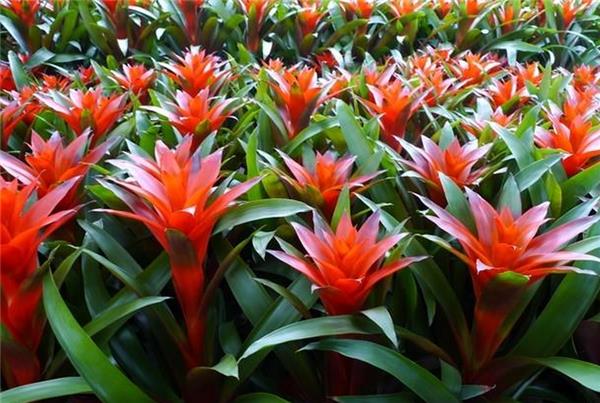
Bromeliads are mainly ornamental flowers. In many places, they represent perfection and good luck, among which Hongyun Dangtou is the most favored and most representative. Their performance in home decoration cannot be replaced by many plants, being both subtle and comfortable. For example, the relatively famous Guzmania lingulata is best known as a potted plant, with beautiful flower shapes and bright leaves, and is regarded as a fine bromeliad for its fresh and elegant look. Of course, common ones also include Billbergia pyramidalis and Nidularium.
Of course, as green plants, bromeliads also have greening effects and purify the air. Many varieties of bromeliads that some people consider to have very strong purification functions are called air plants. This is because they can reduce formaldehyde content in newly renovated houses by 80%, making them not only practical but also beautiful.
2. Cultivation of bromeliads
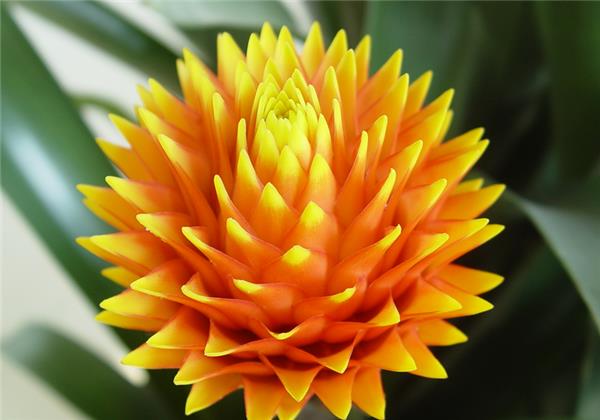
Catering to their preferences is key, because bromeliads originate from the tropical rainforest regions of the Americas and like high temperatures and humid climates. If grown indoors, attention should be paid to sunlight, moisture, and air conditions. An indoor temperature controlled at 15-20°C is most suitable for the growth of bromeliads. In terms of temperature, bromeliads are suitable for indoor cultivation, and in terms of soil, moisture is suitable for the growth of bromeliads during their peak growing season. Therefore, during the flowering period, water should be sprayed on their leaves and surroundings several times a day to increase air and soil humidity.
Because bromeliads have an underdeveloped root system and no main root, they are prone to a "single heir from generation to generation" situation during propagation, resulting in too great a limit on the number propagated. Therefore, methods such as repotting in spring and cutting the stem for cuttings and division, or transplanting young shoots by division, are all beneficial for their propagation!
Growing bromeliads is mainly to realize their ornamental value, and there are particular methods for maintaining vigorous growth during the flowering period. When flowering, do not fill the pot with water, and place it in a shaded area, which helps to extend the flowering period!
3. The flower language and symbolic meaning of bromeliads
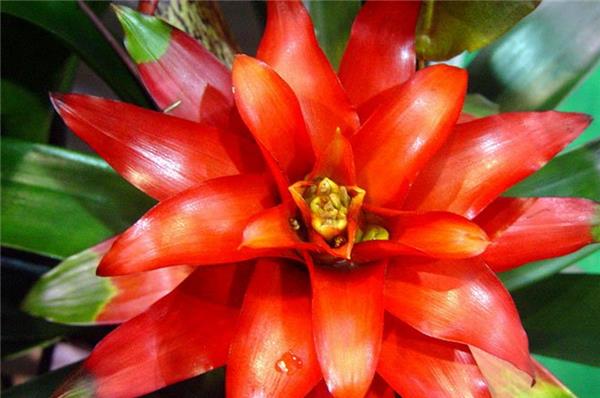
The flower language and symbolic representative meaning of bromeliads: perfection. Bromeliads go from sprouting, to growing, and then to brilliant blooming. With undivided attention, like a traveler without reins, even in a tiny patch of soil, they must penetrate to the essence. This belief in pursuing perfection has always accompanied bromeliads. Numerous small flowers cluster densely on the flower stem, forming a thick flower spike, and the bracts at the tip of the flower spike extend in a radial pattern. Each small flower is star-shaped. The flowers are yellow, light green, pink, white, and so on.
The bromeliad is a very beautiful indoor potted flower that can be enjoyed both for its flowers and its leaves. With its unique rosette plant shape, bright spike-shaped inflorescence, and relatively long flowering period, it has gradually become the "darling" of the Lunar New Year flower market. Flower-giving etiquette: spread thin paper in a flower basket, then place tropical fruits such as bromeliad lilies and bromeliads.
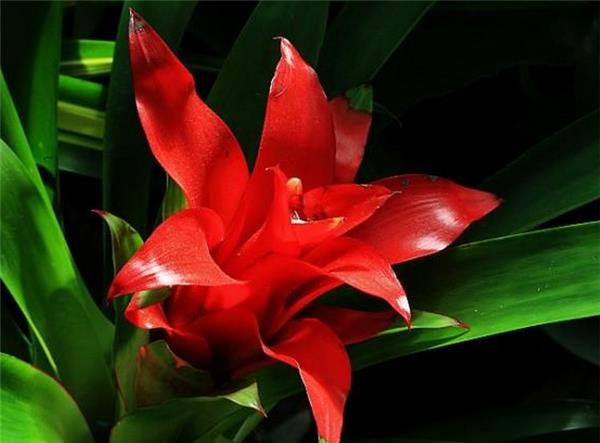
The above is an introduction to the cultivation methods and precautions for bromeliads. I hope more and more people will master the cultivation techniques for bromeliads and grow them more luxuriantly. Thank you for reading.