Control methods for major tomato pests and diseases
Tomatoes account for a large proportion of protected cultivation in autumn. Diseases are the main obstacle affecting the high yield and quality of autumn tomatoes, so proper prevention and control of autumn tomato diseases is crucial.
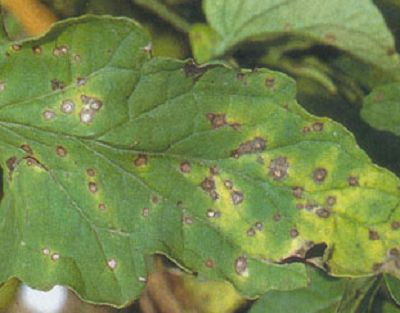
How to control major tomato pests and diseases
Gray mold: During the flowering stage, 0.1% of 50% procymidone wettable powder or 50% iprodione wettable powder can be added to the flower-dipping solution, with very good results. Spraying on the fruit is also possible, but attention should be paid to rotating the chemicals to prevent the pathogen from developing resistance.
Viral diseases: These are prominent diseases of protected autumn tomatoes. The virus sources include tomato yellow leaf curl virus, tobacco mosaic virus, and cucumber mosaic virus. In the field, mixed infection by several virus sources can cause multiple viral diseases to occur together. Sunshade nets and insect-proof nets should be used to lower the greenhouse temperature and block virus-transmitting pests such as whiteflies, aphids, and thrips; timely intertillage should be carried out to promote root development; watering should be reasonable according to plant and weather conditions to prevent excessive vegetative growth; attention should be paid to balanced fertilization to prevent premature senescence and enhance disease resistance; do not smoke during field operations, and when pruning and removing side shoots, handle healthy plants first and diseased plants afterward, and wash hands that have touched diseased plants with soapy water; colored sticky boards and pesticides should be used in a timely manner to control virus-transmitting pests.
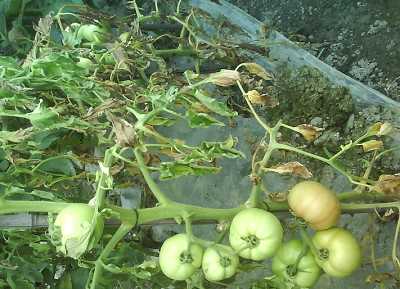
Biological control
(1) Controlling pests with insects. There are many kinds of natural enemies in nature, such as ladybugs, lacewings, hoverflies, parasitic wasps, and parasitic flies. They can prey on or parasitize the adults, eggs, larvae (nymphs), and pupae of aphids, whiteflies, cutworms, cotton bollworms, and tobacco budworms.
(2) Controlling pests with fungi. Such as Beauveria bassiana, Bacillus thuringiensis var. galleriae, Bacillus aizawai, Bt emulsion, agricultural streptomycin, Xinzhiromycin, 5% jinggangmycin, chloramphenicol, etc., which can control various pests and diseases on tomatoes.
(3) Use yellow sticky boards, yellow sticky cylinders, and silver-gray films to trap and kill adults of aphids and whiteflies. Insect-proof nets can also be used to control various pests.
Chemical control
(1) Controlling pests. Spray pesticides at the young larval stage of pests. The pesticides used can be 2.5% deltamethrin emulsifiable concentrate at 2000 times dilution, or 200% fenvalerate emulsifiable concentrate at 2000 times dilution, or 200% fenpropathrin emulsifiable concentrate at 2000 times dilution.
(2) Controlling diseases. Spray pesticides at the early stage of disease onset. The pesticides used include 65% thiophanate-methyl at 600 times dilution, 50% carbendazim at 700 times dilution, 64% oxadixyl mancozeb at 500 times dilution, 58% metalaxyl mancozeb at 600 times dilution, 50% vinclozolin at 1000 times dilution, and 50% anilazine at 500 times dilution. After spraying, attention should be paid to ventilation to reduce humidity, and watering should be appropriately controlled. Alternatively, 10% procymidone or 45% chlorothalonil smoke agents can be used at 250-300 grams per mu, distributed at 8-10 points inside the greenhouse, ignited with a smoldering flame, then the greenhouse should be sealed and fumigated for 3-4 hours for control.
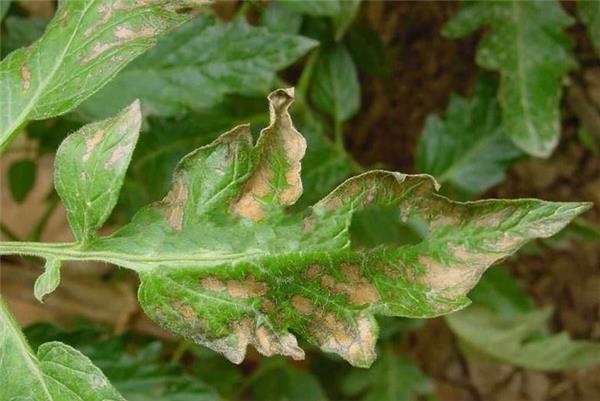
Control measures for soil-borne diseases of tomatoes in protected cultivation
(1) Summer greenhouse sealing soil disinfection with Junxianwei or Diqueling
Method and steps: (1) Carry out during the fallow period between spring and summer after the protected tomato harvest, when the temperature reaches above 35°C in hot weather. (2) Remove old plants and weeds in the protected field together with their roots, deep-plow the soil 30-40 cm, and fully break up soil clods. (3) Apply 0.5-1 kg of Junxianwei or Diqueling per mu, mix with an appropriate amount of fine soil, and evenly spread on the ground (Note: Junxianwei or Diqueling can also be diluted with water and evenly sprayed on the ground), and apply 400-500 kg of chicken manure, pig manure, or other livestock manure, then plow again so that the manure and pesticide are evenly distributed in the plow layer. Irrigate fully so that the soil is thoroughly wet, cover with transparent plastic film, compact the edges, and close the greenhouse to raise the temperature. The temperature inside the greenhouse can rise to 40°C-50°C. Under high temperature and high humidity conditions, seal the greenhouse for 15-20 days. Precautions: a. The greenhouse sealing time should be chosen on hot sunny days; b. The greenhouse film and ground film should be well sealed; c. The soil preparation quality should be fine, soil clods should be fully broken up, and fertilizer, manure, pesticide, and soil should be fully mixed; d. During treatment, sufficient water should be irrigated to induce full germination of pathogens; e. After treatment, disease-free seedlings should be planted in the greenhouse to prevent the re-introduction of harmful pests and diseases.
(2) Seedbed soil treatment and seed disinfection
When raising seedlings, seedbed soil treatment and seed disinfection must be carried out. (1) Seedbed soil treatment: Use 6-8 grams of Penchake disease-resistant and antibacterial wettable powder per square meter of seedbed, mix into 15 kg of sieved fine soil, mix evenly, evenly spread into the seedbed before sowing, rake evenly, then sow and cover with soil. (2) Seed disinfection: Seeds can be dressed with 0.3%-0.5% of seed weight of Juncheng or Guoyou 101 (except coated seeds). Through soil treatment and seed disinfection, multiple diseases such as damping-off, rhizoctonia rot, and gray mold at the seedling stage can be effectively controlled.
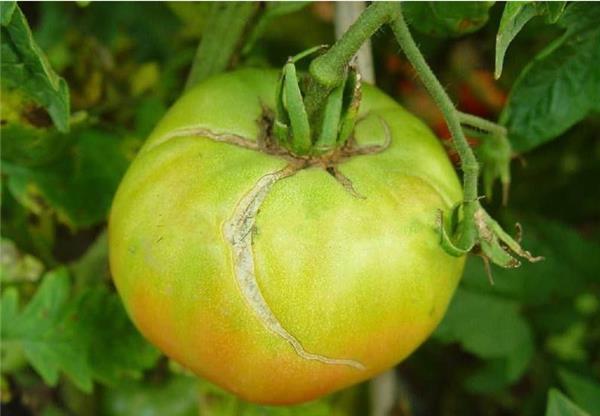
(3) High-yield cultivation requirements
After emergence and during the rapid growth period, spray the high-efficiency disease-resistant and yield-increasing agent Keli Feng. Keli Feng is an active substance with multiple excellent properties for plant growth and development. It has significant effects on increasing tomato yield and improving quality. From the young fruit stage, spray 1000 times dilution of Yipen Feng every 5-7 days as foliar topdressing.
(4) Control of continuous cropping diseases
Before transplanting tomatoes, apply Chongchake during soil preparation, which is beneficial for soil remediation and inhibiting the occurrence of soil-borne diseases and nematodes. Chongchake application rate: for a standard greenhouse (6 m x 30 m), apply 250 grams of Chongchake; for open field, use 1000-1500 grams per mu. The maximum amount per mu should not exceed 3000 grams. Tiannuo No. 11 can also be used at 2 kg per mu of field or per standard greenhouse.
It has significant effects on increasing tomato yield and improving quality. From the young fruit stage, spray 1000 times dilution of Yipen Feng every 5-7 days as foliar topdressing.(4) Control of continuous cropping diseases
Before transplanting tomatoes, apply Chongchake during soil preparation, which is beneficial for soil remediation and inhibiting the occurrence of soil-borne diseases and nematodes. Chongchake application rate: for a standard greenhouse (6 m x 30 m), apply 250 grams of Chongchake; for open field, use 1000-1500 grams per mu. The maximum amount per mu should not exceed 3000 grams. Tiannuo No. 11 can also be used at 2 kg per mu of field or per standard greenhouse.