What are the effects and benefits of Luobuma tea
What are the effects of Luobuma tea? Luobuma tea can not only lower blood pressure, but also help restore damage to patients' heart, brain, liver and kidney organs caused by continuously elevated blood pressure, effectively prevent and control various complications, and comprehensively reduce the incidence and mortality of cardiovascular and cerebrovascular diseases. Long-term drinking by hypertensive patients may help them break away from chemical antihypertensive drugs. Luobuma tea has undergone strict testing in five major experiments - human studies, zoology, toxicology, hygiene and stability - and was the first to be approved by the National Ministry of Health as a functional tea for steadily regulating blood pressure. Tests show that Luobuma tea is non-toxic, has no adverse effects, has an obvious blood pressure-regulating effect, and significantly improves symptoms such as headache, dizziness, palpitations and irritability in hypertensive patients. Let's take a closer look together below!
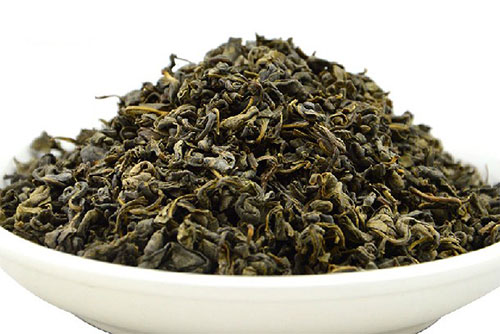
The effects and benefits of Luobuma tea
Unique dietary therapeutic effects on high blood pressure and high blood lipids.
Luobuma tea contains rutin, similar to vitamin P activity, which can maintain or restore the normal resistance of capillaries, enhance the flexibility and elasticity of blood vessels, lower serum cholesterol, and prevent fat from depositing in blood vessel walls. The tannic acid in the tea can inhibit the rise in blood pressure and has the effect of lowering blood pressure in hypertensive patients. In particular, Luobuma tea has a very good decomposing effect on protein and fat. Polyphenols and vitamin C can lower cholesterol and blood lipids.
Delaying aging, beautifying and nourishing the skin
Aging is related to free radical reactions, and the flavonoids contained in Luobuma have a strong antioxidant effect; its large amount of vitamin C also has a strong antioxidant effect, and vitamin E can also enhance the antioxidant effect of cells.
Luobuma tea also contains substances beneficial to the development and growth of human embryonic lung diploid fibroblasts, and long-term consumption is safe and harmless. It has an obvious antioxidant effect and reduces cataract formation. The fat-reducing components in the essence of flowers and plants, together with various compounds in the tea such as inositol, folic acid, pantothenic acid and aromatic substances, can regulate fat metabolism. In addition, the flavonoids contained in the tea have the effect of directly capturing oxygen free radicals and hydroxyl free radicals, and at the same time can enhance immune function, which is helpful for improving the human body's anti-aging ability. Regular tea drinking can reduce skin pigmentation. All of these indicate that Luobuma has an anti-aging effect.
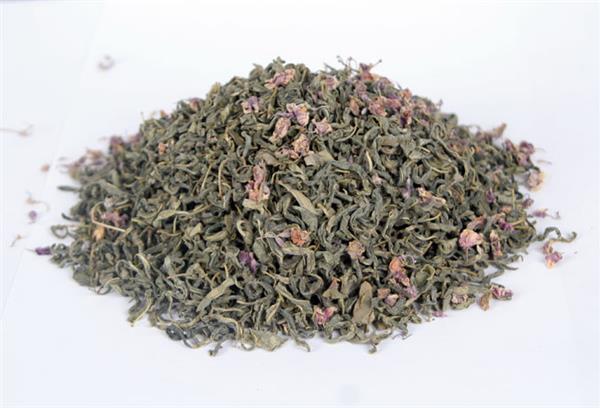
Promoting digestion, relieving constipation, moistening the intestines and relaxing the bowels
Luobuma tea leaves contain large amounts of amino acids, organic acids and other nutrients, which can promote the biosynthesis of gastric acid and stimulate gastric juice secretion, thus having the effects of promoting digestion and resolving food stagnation, strengthening the spleen and nourishing the stomach, and soothing the liver and regulating qi. It has certain effects on indigestion, gastritis, enteritis, chronic constipation and so on. The amino acids in the tea can stimulate gastric juice secretion, enhance appetite, and promote the stomach's digestive function; the tea contains B vitamins and aromatic oils, which also help improve appetite and promote digestion.
Strengthening the heart and promoting diuresis, with adjunctive therapeutic effects on diabetes
Quercetin is one of the main active ingredients of Luobuma and also has an obvious diuretic effect. In addition, Luobuma tea contains very high magnesium, reaching 930 mg per 100 g, and the magnesium element has a direct relationship with insulin secreted by the pancreas. The insulin secreted by the pancreatic islets is released after stimulation by cholecystokinin, and cholecystokinin requires magnesium to be activated, so drinking Luobuma tea has an adjunctive therapeutic effect on diabetes.
Calming and soothing effect for poor sleep
Luobuma leaf extract has a synergistic effect on the sedative and hypnotic action of pentobarbital. After intravenous injection of Luobuma leaf extract into rabbits for 1.5 minutes, it can cause each cortical region to show a sleep-type high-voltage slow wave pattern. Animal experiments show that the aqueous extract of Luobuma leaves and its ethanol-insoluble fraction showed no obvious sedative effect, while the ether-soluble fraction of the aqueous extract had a synergistic effect with the subthreshold hypnotic dose of sodium pentobarbital; the number of animals falling asleep increased with increasing dose, and reproducibility was relatively good. Among the extracts of Luobuma leaves, substances with sedative, calming and hypnotic effects exist in both the more polar fraction and the less polar fraction.
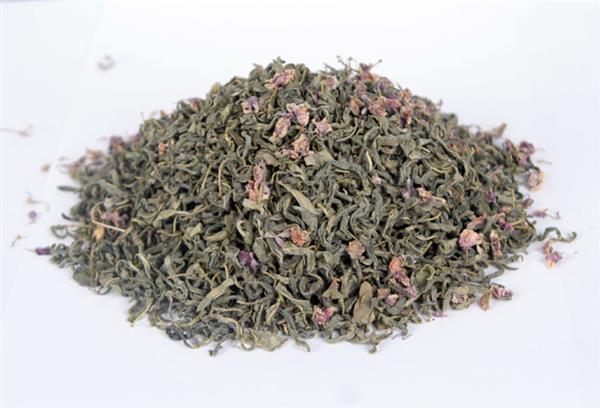
Content of components in Luobuma tea
The main components contained in Luobuma tea include: total flavonoids (quercetin, rutin, flavonoid glycosides, cardiac glycosides), organic acid compounds, amino acids, calcium, magnesium, potassium, zinc, manganese, iron, selenium and other active ingredients. It is precisely because Luobuma tea contains these very rich components that it has the unique effect of bidirectional regulation of blood pressure balance, both high and low.
(1) Total flavonoid content: 1.142%. Other components:
Quercetin: Luobuma tea contains quercetin at 179.9 PPM. It belongs to the flavonoids and has effects such as lowering blood pressure, enhancing capillary resistance, reducing capillary fragility, lowering blood lipids, dilating coronary arteries, and increasing coronary blood flow.
Rutin: belongs to the flavonoids. In addition to lowering blood pressure and stopping bleeding, it can also be antibacterial and anti-inflammatory, dilate the coronary arteries of the heart, and prevent and treat atherosclerosis. Rutin is a vitamin necessary for protecting capillary toughness. Flavonoid glycosides: also called flavone glycosides, their main pharmacological effects are:
1. Maintaining normal osmotic pressure of blood vessels, reducing vascular fragility, and shortening bleeding time.
2. Antibacterial effect. Some flavonoid derivatives have bacteriostatic or bactericidal effects (mostly related to concentration; low concentration is bacteriostatic, high concentration can be bactericidal).
3. Relieving cough, calming asthma and removing phlegm.
4. Other effects, such as lowering blood pressure and dilating coronary arteries.
Cardiac glycosides: a class of glycosides with significant physiological effects on the heart. Their biological activity is to excite the myocardium, prolong conduction time and increase cardiac blood output, so they have diuretic and edema-reducing effects.
(2) Content of organic acid compounds: 32.69%. The main functional effects are: organic acids are a class of compounds containing carboxyl groups. Organic acids have antipyretic, anti-rheumatic, anticoagulant and other effects.
(3) Fifteen kinds of amino acids: lysine, histidine, arginine, aspartic acid, threonine, serine, glutamic acid, proline, glycine, alanine, cystine, valine, methionine, isoleucine, leucine, tyrosine, phenylalanine, with a total content of 2006.3 PPM.
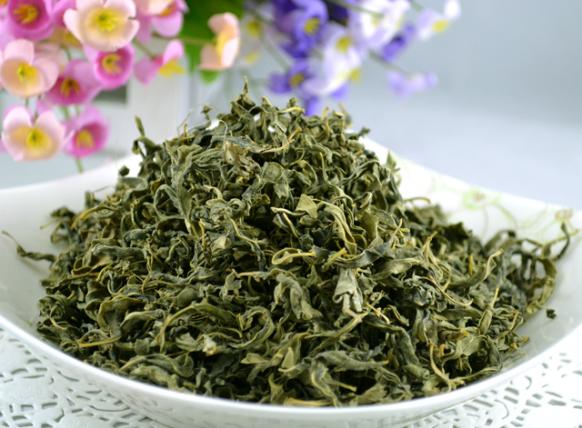
How to brew Luobuma tea
Teaware: porcelain, pottery, or glass teaware can be used. Using glass teaware to brew flower tea and watching the flowers slowly open in the cup, with the color changing from transparent to green and then to a faint purplish red, is a kind of enjoyment.
Water: the water should be of good quality; mineral water, purified water or mountain spring water is better.
Rinsing the tea: flower tea should not be rinsed with water that is too hot. Generally, boiled water that has been left to sit for a while is better for rinsing, because the tea leaves inside are green tea, and green tea releases its flavor quickly, so the rinse should be relatively quick.
Drinking: the brewed tea is best drunk hot. When drunk hot, the floral fragrance is rich and refreshes the heart and mind.
It has the effect of dilating the coronary arteries of the heart and preventing and treating atherosclerosis. Rutin is a vitamin necessary for protecting capillary toughness. Flavonoid glycosides: also called flavone glycosides, their main pharmacological effects are:1. Maintaining normal osmotic pressure of blood vessels, reducing vascular fragility, and shortening bleeding time.
2. Antibacterial effect. Some flavonoid derivatives have bacteriostatic or bactericidal effects (mostly related to concentration; low concentration is bacteriostatic, high concentration can be bactericidal).
3. Relieving cough, calming asthma and removing phlegm.
4. Other effects, such as lowering blood pressure and dilating coronary arteries.
Cardiac glycosides: a class of glycosides with significant physiological effects on the heart. Their biological activity is to excite the myocardium, prolong conduction time and increase cardiac blood output, so they have diuretic and edema-reducing effects.
(2) Content of organic acid compounds: 32.69%. The main functional effects are: organic acids are a class of compounds containing carboxyl groups. Organic acids have antipyretic, anti-rheumatic, anticoagulant and other effects.
(3) Fifteen kinds of amino acids: lysine, histidine, arginine, aspartic acid, threonine, serine, glutamic acid, proline, glycine, alanine, cystine, valine, methionine, isoleucine, leucine, tyrosine, phenylalanine, with a total content of 2006.3 PPM.
How to brew Luobuma tea
Teaware: porcelain, pottery, or glass teaware can be used. Using glass teaware to brew flower tea and watching the flowers slowly open in the cup, with the color changing from transparent to green and then to a faint purplish red, is a kind of enjoyment.
Water: the water should be of good quality; mineral water, purified water or mountain spring water is better.
Rinsing the tea: flower tea should not be rinsed with water that is too hot. Generally, boiled water that has been left to sit for a while is better for rinsing, because the tea leaves inside are green tea, and green tea releases its flavor quickly, so the rinse should be relatively quick.
Drinking: the brewed tea is best drunk hot. When drunk hot, the floral fragrance is rich and refreshes the heart and mind.