A Detailed Guide to Ivy Cultivation Methods and Precautions
Ivy is a fairly popular indoor potted plant nowadays, most commonly placed in a spacious living room, study, or bedroom, giving people a feeling of elegance and simplicity. It is a beautifully and neatly shaped plant, and is also a world-famous new-generation indoor foliage plant. Its benefits include purifying indoor air and absorbing harmful gases released by furniture and decorations. It also has strong adaptability to the environment. It prefers a relatively cool climate, has strong cold resistance, and can also be used as medicine. Having read about so many benefits, you will surely think it must be very difficult to grow! Actually, that is wrong. Now let me tell you some methods and precautions for growing it!
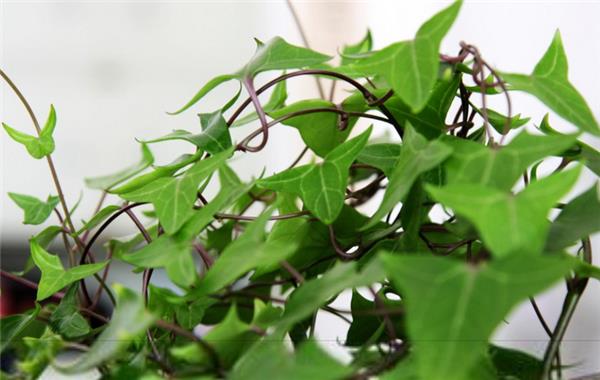
I. Ivy Cultivation Methods
1. Temperature should be suitable. Ivy by nature prefers warmth, with an optimum growth temperature of 20°C-25°C, so it is best kept indoors. In summer, pay attention to air circulation and suitable temperature, and in winter the minimum temperature should be kept at 5°C. Of course, it can generally be kept at 10°C.
2. Light exposure should be moderate. Only this way can the leaf shape stay uniform and the leaf color vivid. But strong direct sunlight should also be avoided, because too much strong light will cause sunscald.
3. Watering should be moderate. During the growing season, water based on whether the soil is dry or moist (that is, the potting soil must not be too wet or too dry). If there is too much water, root rot and leaf drop will occur. This is especially true in winter, when the temperature is rather low, so watering must especially be controlled; just keep the potting soil slightly moist.
4. Reasonable fertilization. When growing ivy at home, the potting soil can be a mix of leaf mold or peat soil plus 1/4 river sand and a small amount of bone meal. During the growing season, apply a dilute cake fertilizer solution once every 2 to 3 weeks. Generally, do not fertilize in summer and winter, and when fertilizing, be careful not to apply too much nitrogen fertilizer. When fertilizing, also be careful not to stain the leaves, so as not to cause the leaves to scorch.
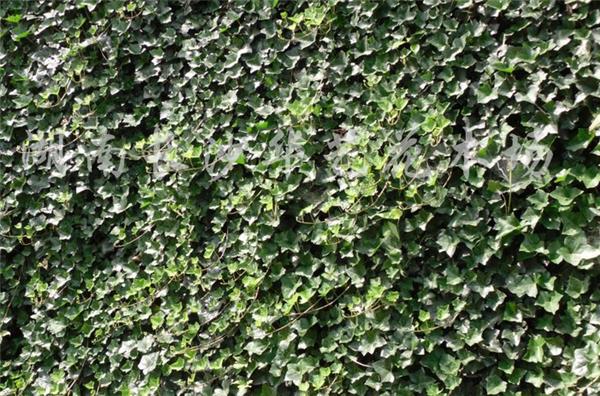
II. Key points for growing English ivy
Ivy has strong adaptability and no special requirements for environmental conditions. Ivy is a typical shade-loving vine flower and foliage plant; it cannot tolerate strong direct light, is tolerant of shade and moisture, tolerant of drought, and tolerant of poor soil, and grows well in fertile, moist sandy soil. It dislikes alkaline soil.
Ivy is suitable for cultivation in courtyards and also suitable for potting. When potted, pay attention to shading in summer and move it indoors to overwinter in winter. During the growing period, keep the potting soil moist, never too dry, and also pay attention to ventilation. It is advisable to apply thin, dilute fertilizer, 2-3 times a year is enough; if too much fertilizer is applied, the plant will lose its graceful characteristics. When planting, heavy pruning should be carried out to encourage more branching. After that, carry out appropriate pruning once each spring, cutting back the main vines to control excessive growth. Usually pay attention to environmental ventilation. Ivy generally does not suffer from pests or diseases.
Ivy is commonly propagated by cuttings or layering, and can also be propagated by seeds. Because ivy is easy to propagate and survive, the simple and easy cutting method is mostly used. Cuttings can be taken in spring and autumn. The method is: take one-year-old branches, cut them into 10-15 cm long sections to serve as cuttings, with a few leaves kept at the upper end; insert them about 5 cm deep into the cutting bed, pay attention to shading, and keep the cutting bed moist. Generally, they will root in half a month to a month. When transplanting, be careful to keep soil around the roots, which makes it easier to survive.
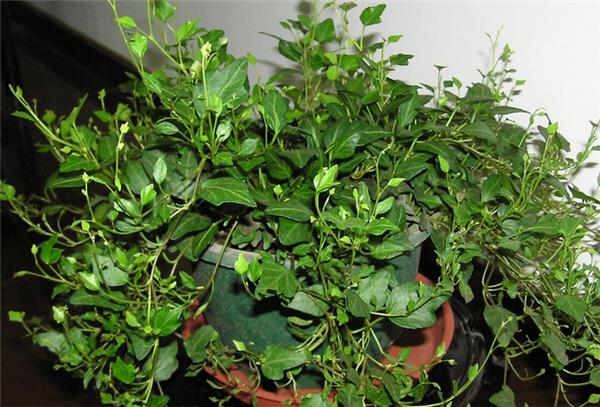
III. The Role of Ivy
1. Ornamental and Eye-Catching
Ivy is most often planted on outdoor walls or in courtyards, or grown indoors in hanging baskets. No matter where it is, it has vigorous vitality, climbing like a gecko and spreading out like a spider web; every late spring and summer we see a stretch of emerald green. Its leaves are like maple leaves, and when it blooms it also opens small pale yellow-white flowers, very beautiful and fresh. It has become a popular landscaping ornamental plant. Whether in an outdoor environment or indoors, it can bring a stretch of emerald green and bring hope, especially indoors where it is a very eye-catching green plant that can play a decorative and beautifying role.
2. Freshening the Air
It can enhance the natural feel and freshness of the owner's living environment. Moreover, it is also a very healthy and eco-friendly ornamental plant. It can not only green the environment but also purify the air, absorb indoor waste gases, and release oxygen through photosynthesis, among many other effects.
3. Auspicious Meaning
When people talk about ivy, they think of stretches of emerald green plants as well as ivory towers representing knowledge; the famous American universities are all called the Ivy League. It seems that when we speak of ivy, we think of words like youth, young days, hope, and vitality. This is not only because of its emerald green appearance, but also because people have given it an endless flower language of youth, as if it belongs only to young people in their youth, their times, and their pure friendships and romances on campus.
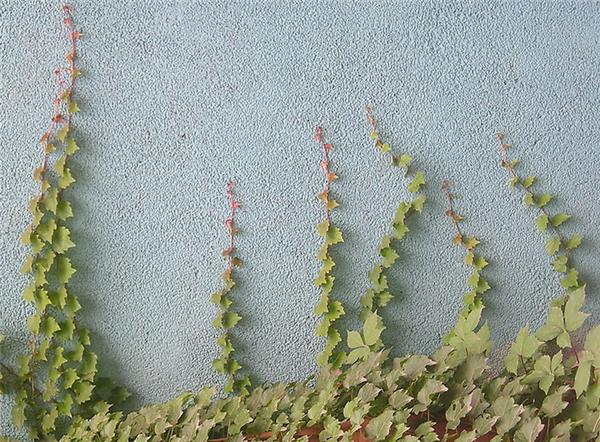
Ivy is a common potted plant in homes nowadays. It has very vigorous vitality, is glossy green, and even opens small flowers. Its ornamental value is relatively high, and it is quite beneficial for purifying the indoor environment. The role of ivy is introduced here, and I hope it will be helpful to everyone in choosing indoor plants.
Ivy is a common potted plant in homes nowadays. It has very vigorous vitality, is glossy green, and even opens small flowers. Its ornamental value is relatively high, and it is quite beneficial for purifying the indoor environment. The role of ivy is introduced here, and I hope it will be helpful to everyone in choosing indoor plants.