What are the methods for controlling pests and diseases of apricot trees?
Pests and diseases of apricot trees and their control. Farmers who grow apricot trees all know that apricot tree management requires a great deal of effort, especially when it comes to pests and diseases. If management is improper, there will basically be no good harvest at harvest time, so the prevention and treatment of apricot tree pest and disease problems must be timely and early! Next, we will explain how to scientifically prevent and control apricot tree pests and diseases from two aspects: the main pests and diseases of apricot trees and the control and treatment methods!
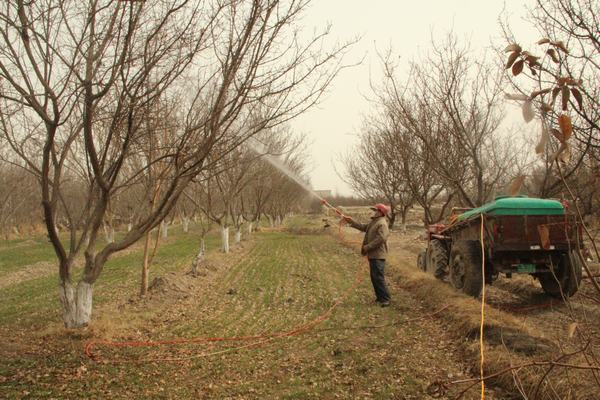
Pest and disease control methods for apricot trees
1. Apricot tree gummosis
Symptoms: It mainly occurs on branches or trunks, especially at the crotches, and can also occur on twigs and fruit. Initially, a pale yellow transparent gummy substance exudes from the diseased part; the resin condenses and gradually turns reddish brown. The diseased part swells slightly, and the cortex or xylem turns brown or rots. Sometimes other saprophytic bacteria grow on it, causing leaves to become small and yellow and the tree vigor to decline. In severe cases, branches and trunks die.
Cause: The factors inducing apricot tree gummosis are relatively complex and vary from place to place. In the north, it is mainly caused by frost and other reasons; in some areas, it is caused by sunscald or insect damage. In addition, poor drainage conditions and improper fertilization or pruning lead to poor growth and easily induce this disease. The disease occurs most frequently in spring. Its pathological process mainly occurs in the young xylem. After infection, the cambium of the apricot tree stops producing new phloem or xylem, but instead proliferates sclerenchyma cells in the horizontal direction, forming inclusions made of accumulated starch. At the same time, under the action of bacteria, enzymes are produced. After the enzymes dissolve the cell membrane, they form alkane acid gum, namely resin. Because sclerenchyma cells continuously proliferate and the gelatinization of cell membranes and starch proceeds continuously, gummosis continues.
Control methods: See peach tree gummosis.
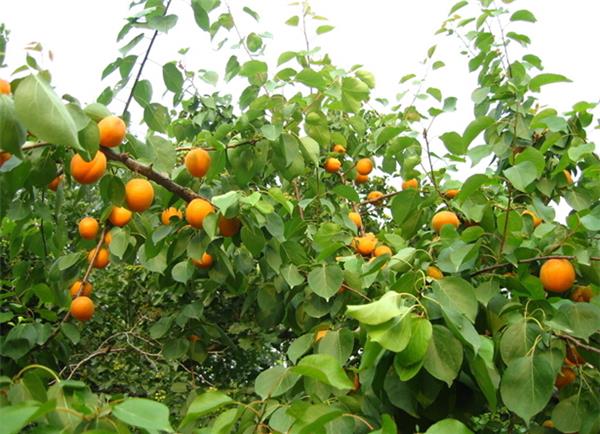
2. Apricot tree bacterial shot hole disease
Symptoms: It mainly damages leaves, and can also infect fruit and twigs. When leaves are infected, pale brown water-soaked small spots first appear on the underside of the leaves; they gradually expand into round to irregular purplish brown or dark brown lesions, with a yellow-green halo around the diseased part; later the lesions dry up, and cracks form at the edges or they fall off to form shot holes. When there are many shot holes, the diseased leaves fall off early. When fruit is infected, small brown round spots first appear on the fruit surface, slightly sunken, then expand and become dark purple. In humid weather, yellowish white sticky secretions are produced; when dry, small cracks form on or around the lesions, and the cracked areas are easily infected by other pathogens, causing fruit rot. When twigs are infected, two types of lesions form: spring cankers and summer cankers. It is basically similar to "peach bacterial shot hole disease."
Pathogen: Xanthomonas campestris pv. Pruni (Smith) Dye. Synonym: Xanthomonas pruni (Smith) Dowson. It is called Xanthomonas campestris pv. pruni, a bacterium. The bacterial cells are short rod-shaped, 0.3-0.8 x 0.8-1.1 micrometers in size, with a single polar flagellum, a capsule, no spores, and Gram-negative staining. The optimum temperature for pathogen development is 24-28°C, the maximum is 38°C, the minimum is 7°C, and the lethal temperature is 51°C.
Transmission route, disease conditions, and control methods: See "peach bacterial shot hole disease."
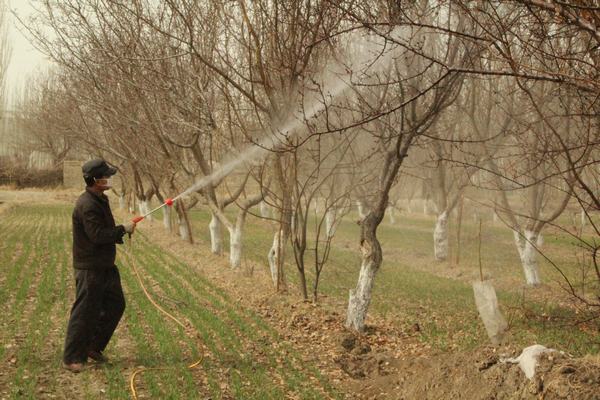
3. Apricot fruit cracking disease
Apricot fruit cracking disease is a common problem in apricot production. Because cracking reduces the commercial value of apricots, it causes huge economic losses to fruit growers. Symptoms: There are two types of apricot fruit cracking. One is that most of the apricot fruit cracks radially, that is, with the fruit apex as the center, cracks extend in strips toward the body and shoulders of the fruit. The other is that cracking first occurs at the suture line; if conditions are suitable, the crack quickly reaches deep to the pit, making the fruit split open like a gaping mouth. In such fruit, from cracking to ripening, various pathogens and scarab beetles take the opportunity to enter, causing infection and damage.
Cause: Fruit cracking is a physical change caused by moisture variation. The occurrence of this disease is related not only to the apricot variety, the degree of soil stickiness, and the growth vigor of the apricot tree, but also to factors such as rain after long drought or heavy irrigation, thin fruit skin, sunscald, mechanical injury, and improper timing of spraying pesticides or growth regulators.
Disease pattern: Diseased fruit mostly begins to crack during the second rapid growth period of the fruit, and it is most severe especially at the coloring stage and in the colored parts. At this time, a large amount of soluble sugar in the fruit is transformed and accumulated, reducing the fruit's pressure resistance. If there is continuous rain or sudden rain after long drought, or pesticide spraying, the fruit absorbs a large amount of water through the root system or fruit skin, causing abnormal turgor pressure in the fruit that exceeds the maximum tension that the cell walls of the fruit skin and flesh tissues can withstand, ultimately leading to fruit cracking. The internal causes of fruit cracking are related not only to the thickness of the fruit epidermis, but also to the plasticity of the epidermis and the thickness and elasticity of the parenchyma cells in the fruit cortex. However, there is no obvious correlation with the enzyme activity of pectin in the apricot flesh or the content of soluble solids.
Control methods: ① Breed crack-resistant varieties. For example, choose extremely early-maturing or late-maturing varieties, and crack-resistant varieties with thick fruit skin, high flesh elasticity, and low plasticity. ② Cover the tree disk with grass. This can avoid sharp changes in soil moisture caused by rainfall and direct sunlight, keep the microclimate under the canopy in a relatively stable state, reduce the speed and amount of water absorbed by the roots, and ensure the coordinated progress of fruit metabolism. Thus, the number and degree of cracked fruit are reduced. ③ Water at the right time. Water apricot trees at the right time and in the right amount. Especially during the fruit enlargement stage and fruit coloring stage, the soil should be kept appropriately moist, and cracking caused by excessive dryness or moisture must be prevented. ④ Spray chemicals or growth regulators. During the fruit enlargement stage and coloring stage, spraying 200 ppm Nongle brand "rare earth" twice in succession can prevent cracking; spraying 0.1 molar calcium chloride solution can effectively reduce fruit cracking; spraying calcium hydroxide solution can also reduce the degree of fruit cracking.
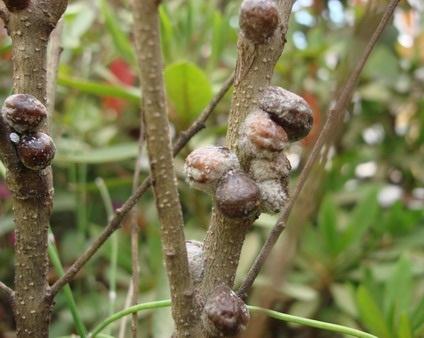
4. Control of apricot globular scale and apricot tumor disease.
Control methods for apricot globular scale: Before apricot trees sprout in early spring, spray 5 degrees Baumé lime sulfur mixture or diesel emulsion with an oil content of 5%, or from May to June during the larval hatching period spray 40% methidathion emulsifiable concentrate, or from March to April during the period when scale insects are abundant, carry out manual spot treatment. Control methods for apricot tumor disease: When symptoms first appear on shoots and leaves, prune them off in time and burn them in a centralized manner. The disease also includes apricot scab. Control methods: Remove diseased apricot scab leaves in time, burn or bury them deeply, and pick up fallen fruit under the trees and bury it deeply. The main insect pests are apricot seed wasps and apricot fruit weevils. Control methods: For apricot seed wasps, promptly pick up fallen fruit and bury it deeply. In May during the larval stage, spray 2500-fold diluted deltamethrin or fenvalerate. For apricot fruit weevils, manually capture adults during the flowering period or frequently pick up fallen fruit and destroy it promptly.
Keep the microclimate under the canopy in a relatively stable state, reduce the speed and amount of water absorbed by the roots, and ensure the coordinated progress of fruit metabolism. Thus, the number and degree of cracked fruit are reduced. ③ Water at the right time. Water apricot trees at the right time and in the right amount. Especially during the fruit enlargement stage and fruit coloring stage, the soil should be kept appropriately moist, and cracking caused by excessive dryness or moisture must be prevented. ④ Spray chemicals or growth regulators. During the fruit enlargement stage and coloring stage, spraying 200 ppm Nongle brand "rare earth" twice in succession can prevent cracking; spraying 0.1 molar calcium chloride solution can effectively reduce fruit cracking; spraying calcium hydroxide solution can also reduce the degree of fruit cracking.
4. Control of apricot globular scale and apricot tumor disease.
Control methods for apricot globular scale: Before apricot trees sprout in early spring, spray 5 degrees Baumé lime sulfur mixture or diesel emulsion with an oil content of 5%, or from May to June during the larval hatching period spray 40% methidathion emulsifiable concentrate, or from March to April during the period when scale insects are abundant, carry out manual spot treatment. Control methods for apricot tumor disease: When symptoms first appear on shoots and leaves, prune them off in time and burn them in a centralized manner. The disease also includes apricot scab. Control methods: Remove diseased apricot scab leaves in time, burn or bury them deeply, and pick up fallen fruit under the trees and bury it deeply. The main insect pests are apricot seed wasps and apricot fruit weevils. Control methods: For apricot seed wasps, promptly pick up fallen fruit and bury it deeply. In May during the larval stage, spray 2500-fold diluted deltamethrin or fenvalerate. For apricot fruit weevils, manually capture adults during the flowering period or frequently pick up fallen fruit and destroy it promptly.