How to grow Hydrocotyle vulgaris so it thrives? Practical care tips shared
Hydrocotyle vulgaris (coin grass) is relatively easy to keep alive and also symbolizes wealth and good fortune, so many people like to grow it at home. It is mainly grown either hydroponically or in soil; hydroponics is simpler, so many people prefer to grow it in water. So how do you grow Hydrocotyle vulgaris? This article introduces the cultivation methods for Hydrocotyle vulgaris.
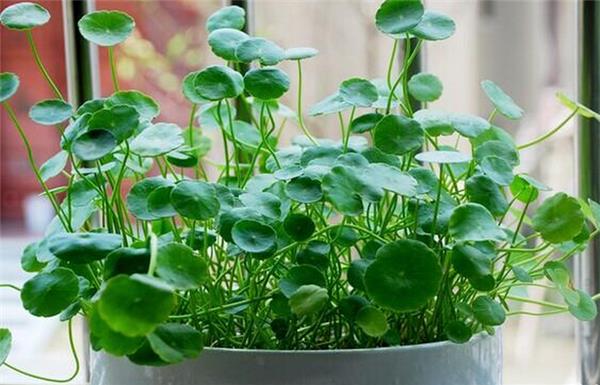
I. How to grow Hydrocotyle vulgaris
1. Hydrocotyle vulgaris's water requirements: ordinary tap water is fine. Change the water frequently. In summer, change the water once every 3-4 days, filling the container to half its height. In winter, change the water once a week. In winter, leaves transpire less, so filling to 1/3 of the container each time is enough.
2. Hydrocotyle vulgaris's light requirements: this plant quite likes light. I generally put Hydrocotyle vulgaris somewhere the sun can reach, such as a windowsill. In summer, the light exposure can be longer. 4-5 hours is a must. In winter, if there is little light, you can use a UV lamp or a fluorescent lamp instead of sunlight.
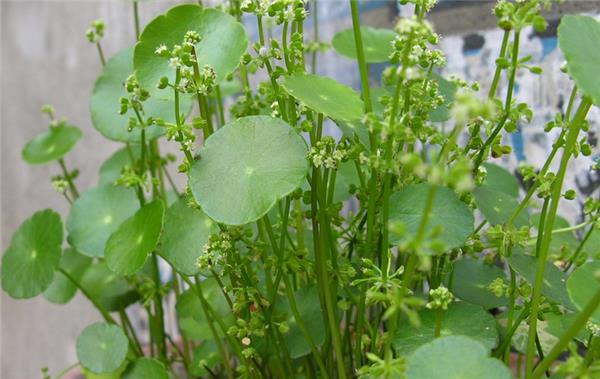
II. Precautions for growing Hydrocotyle vulgaris
Hydrocotyle vulgaris does not need a very large pot; you can also grow it in a larger bowl, or a narcissus pot used for forcing narcissus works too. For soil, use ordinary garden soil, mix in an appropriate amount of river sand, and add a small amount of organic fertilizer as a base fertilizer. When planting, you can plant it flat, covering the rhizome just enough that it is barely hidden, and be sure not to plant it too deep. Then place it in semi-shade for a week, and wait until new leaves grow before giving it sunlight.
Hydrocotyle vulgaris is afraid of cold. For plants kept outdoors in winter, you can pour out all the water and place them in a south-facing, sunny, wind-sheltered spot; they can overwinter safely, though some leaves will die off, and the underground root system will sprout again the following spring. In cold northern regions without heating, you can make a cover and cover the whole pot, pour out the water, keep it moist, and as long as the room temperature does not drop below zero, it will continue to grow the following year.
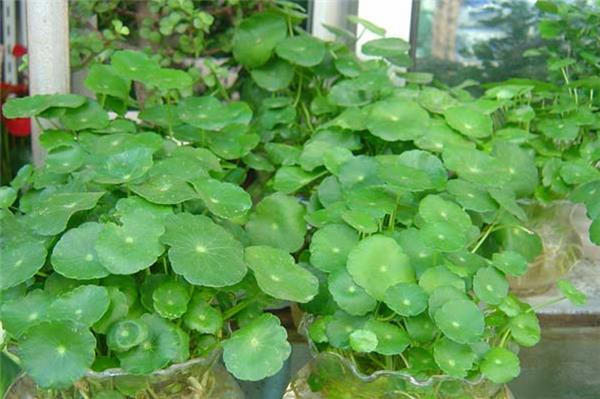
III. The uses of Hydrocotyle vulgaris
In the home, it can be grown in open-ground pots, and it is suitable for water trays, aquariums, ponds, wetlands, and indoor water landscaping. When grown in an aquarium, it is often used as a foreground plant; it can purify the water in the aquarium and also add greenery, making it look full of life. If you use potted or hanging-basket cultivation indoors, it makes the home look fresh and natural, bright and comfortable. In addition, Hydrocotyle vulgaris has a remarkable effect on purifying the air.
Furthermore, Hydrocotyle vulgaris's leaves resemble ancient copper coins, round and green, symbolizing reunion and completeness. Its name also contains the characters for "copper" and "coin", symbolizing wealth. So growing Hydrocotyle vulgaris at home carries symbolic meaning while avoiding the tackiness of golden coin decorations, yet its distinctive shape also looks noble and elegant.
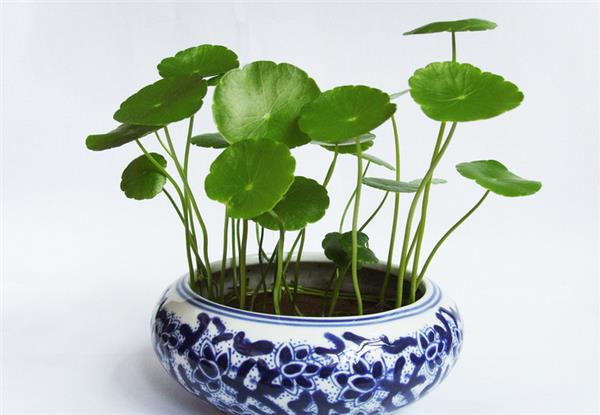
Hydrocotyle vulgaris can be grown in open-ground pots or hydroponically in pots. Its leaves are round and shield-shaped, like a copper coin, with long stalks and wavy edges, and its cultivation and management methods are very simple. With a beautiful plant shape and verdant leaf color, it is very pleasing to look at and is a plant that many people now grow. That is the introduction brought to you above; after reading it, I believe everyone has a fairly good understanding of the cultivation methods and precautions for Hydrocotyle vulgaris.