What are the methods for controlling cucumber pests and diseases?
Common cucumber pests and diseases include: downy mildew, phytophthora blight, bacterial angular leaf spot, scab, powdery mildew, anthracnose, American leafminer, fusarium wilt and gummy stem blight, and viral diseases. Let's take a closer look at how to control cucumber pests and diseases.
1. Downy mildew and phytophthora blight
To prevent downy mildew, add 25 g of fosetyl-aluminum plus mancozeb, 3 million units of streptomycin, 150 g of white sugar, 50 g of urea, and 150 g of rice vinegar to every 15 kg of water to make a mixed solution, and spray it for control, once every 5-7 days.
Use smoke agents: use 5% chlorothalonil smoke agent, 100-180 g per mu, placed in 5-6 spots, lit in the evening with the greenhouse closed overnight, fumigated once every 7 days, for three consecutive fumigations.
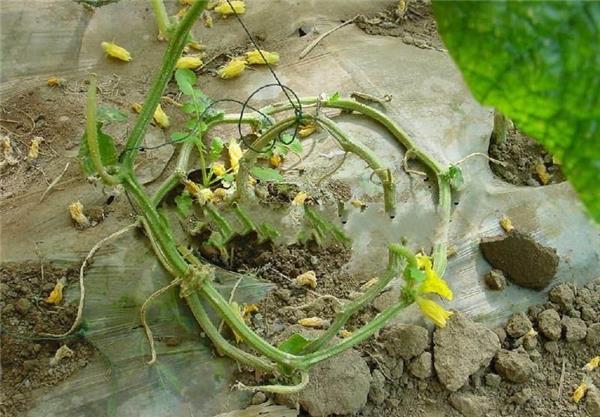
Downy mildew and phytophthora blight can also be controlled with 60% mieke 1000x solution, 72% cymoxanil plus mancozeb 600x solution, 72% DuPont Curzate wettable powder 400x solution, 72% kekangling wettable powder 400x solution, 58% metalaxyl plus mancozeb 500x solution, 75% chlorothalonil 500x solution, or 70% fosetyl-aluminum plus mancozeb wettable powder 400x solution + synergist. Or spray with 72% shuangba wettable powder 700x solution, 10% kejia suspension concentrate 2500x solution, 52.5% yikuaijing 2000x solution, or 66.8% meiduoke 500-700x solution.
When controlling cucumber downy mildew, use propamocarb with caution to prevent phytotoxicity.
2. Scab
You can use flusilazole 8000x solution, 50% carbendazim 800x solution + 70% mancozeb 800x solution, or fumigate with 45% chlorothalonil smoke agent, 200-250 g per mu, for 3-4 consecutive treatments.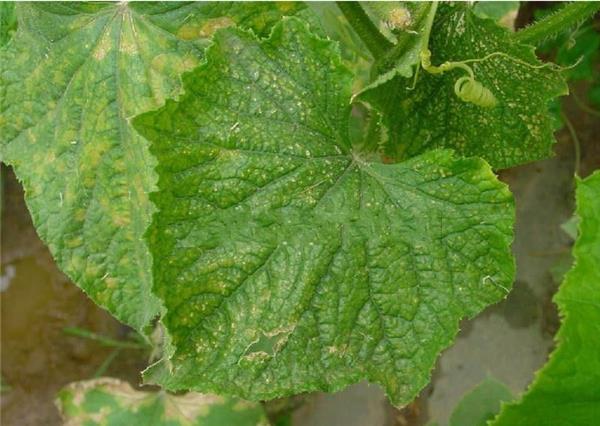
3. Powdery mildew
1. Symptoms
This disease mainly damages leaves. In the early stage of the disease, white round powdery spots appear on the underside and upper surface of the leaves, and after expanding they merge into patches, growing a layer of white powdery substance that gradually turns grayish-white. The leaves turn yellow, then dry up and die, but do not fall off.
2. Control methods
Fumigation and disinfection in protected cultivation. Before transplanting, first disinfect with sulfur powder or chlorothalonil smoke agent. The sulfur powder fumigation method is to use 0.13 kg of sulfur powder and 0.25 kg of sawdust per 55 cubic meters. If using chlorothalonil smoke agent, use 250 g per mu each time, place it in several spots, light it in the evening, keep it closed overnight, and open doors and windows for ventilation the next morning. You can choose 40% flusilazole emulsifiable concentrate 8000-10000x solution, or 25% triadimefon wettable powder 1500x solution, or agricultural antibiotic 120 biological preparation 100 PPM, or 50% carbendazim wettable powder 600-800x solution for spraying, used alternately, once every 7-10 days, for 2-3 consecutive treatments.
4. Bacterial angular leaf spot
1. Cucumber cultivation technique symptoms
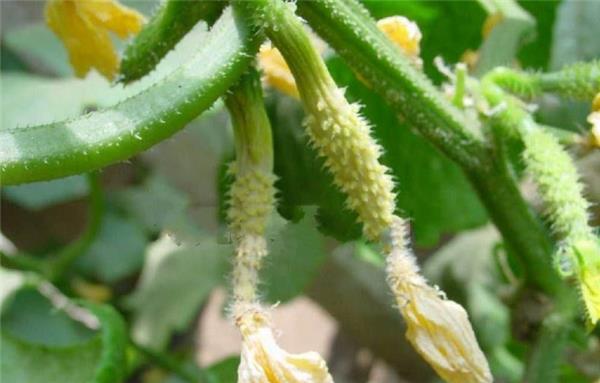
This disease mainly damages leaves, but sometimes also damages stems and fruit. When cotyledons are affected, water-soaked, round or oval sunken spots first appear, producing pinhead-sized water-soaked spots, which later turn light brown and become triangular due to restriction by leaf veins. When humidity is high, white bacterial ooze is produced on the spots on the underside of the leaves, and after drying it becomes a layer of white transparent film. Later it becomes yellow-brown spots and dries up. In the later stage, the lesions are brittle and easily crack and perforate. The lesions on stems and fruit are water-soaked and nearly round, later turning light gray, and cracks often appear in the middle of the lesions. Affected young cucumbers often rot and fall early.
2. Control methods
Seed disinfection: soak seeds in warm water at 55°C for 15 minutes, or soak seeds in 50% amobam 500x solution for 1 hour, or soak seeds in 40% formaldehyde 150x solution for 105 hours, then wash clean with water and pregerminate for later use. Chemical control: in the early stage of the disease, spray 50% tianT 800x solution, or 70% keshade wettable powder 400x solution, xinzhi streptomycin 500x solution, or 1:2:300-400 Bordeaux mixture, or 80% lüdebao wettable powder 500x solution, once every 7-10 days, for 3-4 consecutive treatments.
For cucumber cultivation techniques and detailed instructions on how to use Sale Fu fertilizer during cucumber cultivation, please refer to the relevant usage instructions. It generally increases yield by more than 25% and can also effectively prevent the occurrence of various pests and diseases. It is the preferred fertilizer for pollution-free organic agriculture in greenhouses.
6. Cucumber root-knot nematode
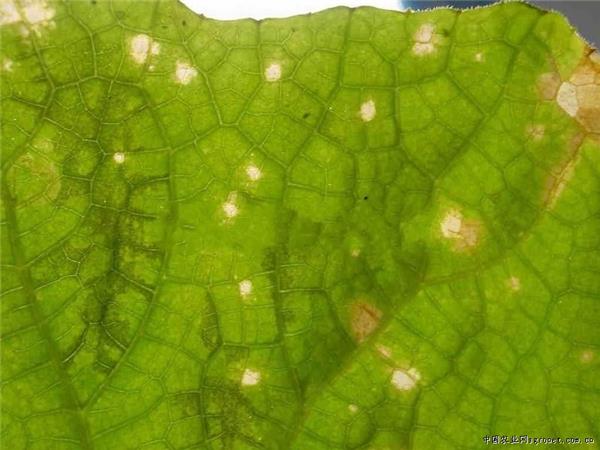
Root-knot nematodes are mostly distributed in the soil layer within 30 cm depth, among which the number of root-knot nematodes is highest in the cultivated layer soil at a depth of 5-30 cm. Generally, soil with high and dry terrain, loose and airy texture, and low salinity is most suitable for nematode survival.
Apply less chemical fertilizer and more decomposed farmyard manure. Improving the soil helps reduce the occurrence of root-knot nematodes.
Medication: use 300x anmian special to irrigate around the roots of each plant. According to the disease incidence, continuous root irrigation at intervals of 7 days or 15 days can effectively control root-knot nematodes.
7. Greenhouse whitefly
The suitable temperature for whitefly reproduction is 18-21°C. In winter, greenhouse whiteflies mainly migrate in from open fields through vents. After whitefly damage, it easily causes leaf chlorosis and produces honeydew that contaminates leaves and fruit surfaces, and under certain conditions spreads viral diseases.
Pesticide: 1500x roushuitong + 1000x anmian special, sprayed in the evening.