How to grow and care for succulents in August? A guide by variety
August is almost here again, and the high temperatures of July will persist until after August before easing up at all, so how can our lovely succulents safely make it through this scorching summer without getting sunburned?
I. Complete classification of succulent varieties
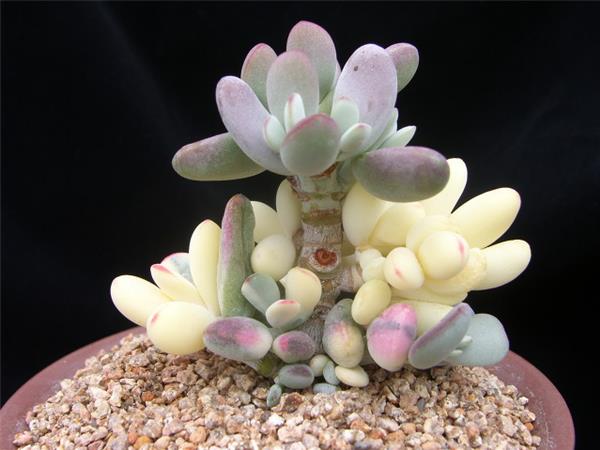
Spring-and-autumn-growing types: Silver Wave Brocade (Cotyledon undulata), Sunburst Wave (Cotyledon orbiculata 'Sunburst'), Bear's Paw (Cotyledon tomentosa), Bear's Paw White Cotton, Bear's Paw Yellow Cotton, Fuxiang (Cotyledon 'Fuxiang'), Fairy Cup (Dudleya), Zichi Bailian, David, Mao Haixing, Yuxin, Chunmeng, Ningzhi Lian, Round-leaf Stonecrop, Zhulian, Baiji Zhi Wu, Monanthes (Monanthes), Shenxiangqu, Tianzhang.
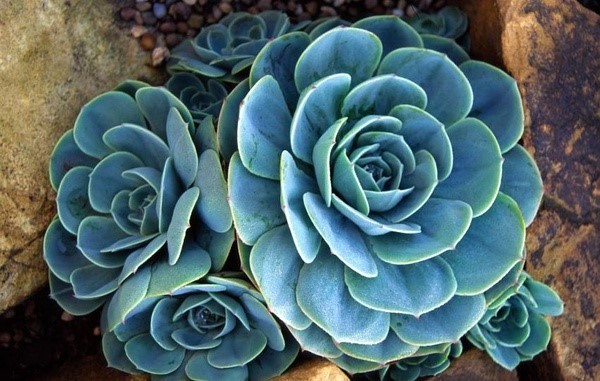
Summer-growing types: Guanyin Lian (Sempervivum), Purple Peony (Aeonium 'Zipeony'), Cobweb Houseleek (Sempervivum arachnoideum), Red Cobweb Houseleek, Zichi Lianhua, Orostachys (Orostachys), Qing Fenghuang, Fuji, White Phoenix, Dahe Jin, Huayue Ye, Echeveria runyonii, Snow Lotus (Echeveria laui), Yudie, Xiaohe Jin, White Peony, Hibiscus Snow Lotus, Gaosha Zhi Weng, Black Prince (Echeveria 'Black Prince'), Hongfen Taige, Jiwa Lian, Jinhuang Xing, Echeveria peacockii.
Winter-growing types: Rongzhen, Star Prince (Stapelia), Star Maiden, Star Maiden Cotton, Red Ghost City, Fangling Green Tower, Half-sphere Star Maiden, Lü Qianhui, Ba, Mengzhuang, Yuchun, Zhi'er Zi, Huachun, Green Tower, Longgong City, Airan Cotton, Canlan, Black Mage (Aeonium 'Zwartkop'), Lotus Grass, Chunmeng, Ishimatsu (Phedimus), Miracle of Spring, Stringy Stonecrop (Sedum sarmentosum), White Stonecrop.
II. August care and management of succulents
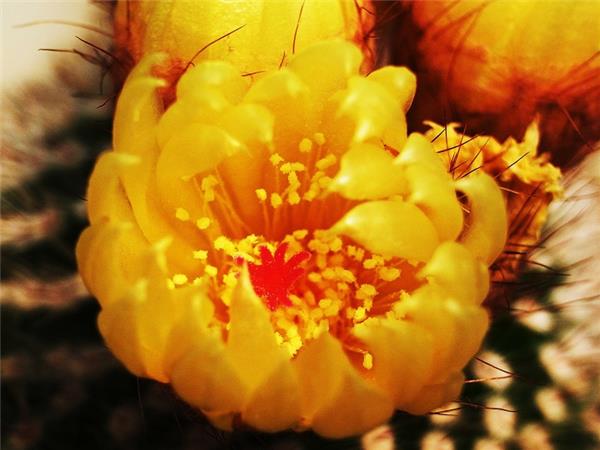
Star Plant (Astrophytum): At a room temperature of around 30°C, it is still the best time to graft Astrophytum. Place grafted plants in a ventilated, semi-shaded spot; the wound and the graft interface must not get wet, and must not be rained on, otherwise healing and survival will be affected. For potted plants, fertilize once a month, or use Huiyou 15-15-30 special fertilizer for potted flowers. Spray with 40% omethoate emulsifiable concentrate at 1500 times dilution to prevent red spider mite damage.
Stapelia gigantea: During the high heat of midsummer, spray water lightly and shade to cool things down, but keep the potting soil from getting too wet, which causes root rot. At the same time, avoid direct sunlight so the stems do not get scorched or shrivel. Apply Huiyou 20-20-20 general-purpose fertilizer once a month. Cut the top of a stem for cuttings; let the stem segment dry for 4-5 days before inserting, water sparingly after inserting, and roots form 1015 days after insertion.
Ornamental-fruit plant Eggplant: Under sustained high temperatures, plant growth vigor weakens, flowering decreases, fruit set rate drops, and flower and fruit drop often occurs. At this time, strengthen pruning and training: keep 1 main branch and 2 side branches per plant, leave 3 leaves at the branching point, and cut off everything above. Pay attention to fertilizer and water management and to controlling red spider mites and whiteflies.
III. Quick Q&A on protecting succulents from sunburn
1. Why do succulents get sunburned?
Because it is really just too hot, and not all succulents are as heat- and sun-resistant as the cactus family; many Sedum-type succulents are native to high plateaus and mountains where it is not so hot.
2. Which season is sunburn most likely to happen?
Summer, and also early autumn. Summer is because of the hot weather and strong light, and early autumn is because most succulents have gone through summer shade treatment, and when they suddenly get light in autumn and then hit the "autumn tiger" heat, they sunburn very easily.
3. Under what conditions does sunburn easily happen?
① On a blazing hot sunny day, light alone can make them shrivel, as is happening now.
② When watering, water accidentally gets on the leaves, or water collects between the leaves / the soil is damp. The former may only cause sunburn spots, while the latter may cause water-soaked rot and even black rot.
③ If they have not received much light for a while and then light is suddenly increased, leaf sunburn and sunburn spots may appear, and even leaf drop and black rot.
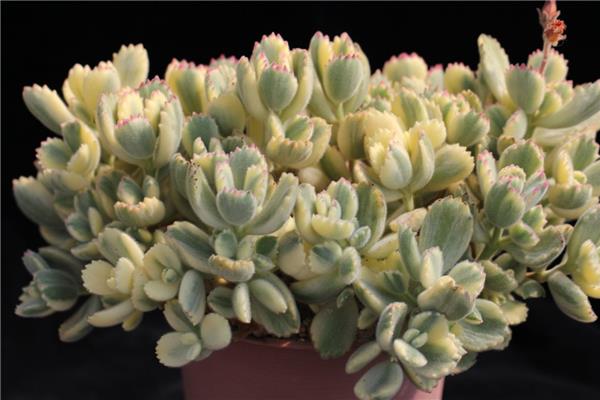
Overall, caring for succulents in July and August mainly comes down to four big points: light, temperature, fertilizer, and water. As long as care is done properly on these four points, our succulents can safely make it through this high-temperature season.