How to protect flowers, plants and trees from harm? A detailed guide to flower and plant growing techniques
If newly bought potted plants are not handled properly, they can easily wither and die; high summer temperatures can also cause plants to lose too much water and dry out; and typhoons can cause enormous damage to plants. Today we will look at these three aspects to learn how to protect our flowers, plants and trees.
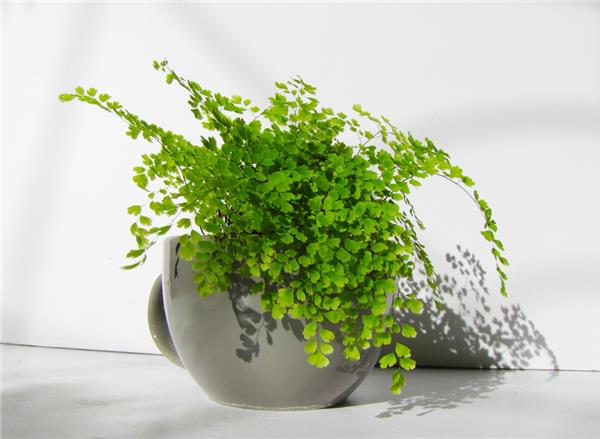
I. How to care for newly bought potted plants
1. Understand and grasp their habits: When buying a potted plant, it is best to know its name, so that you can look up its growth habits, living environment, place of origin and the climate of its place of origin, key management points, cultivation techniques, pest and disease prevention, and so on. Looking up this information is also meant to help it better adapt to its new environment. This information can be found online or in bookstores.
2. Watering principles: With newly bought potted plants, people are often full of enthusiasm and excitement, looking at them and watering them every so often. There is a principle for watering: water thoroughly only after the potting soil has dried. That means poking the soil in the pot with your finger; if the soil you poke out is loose, then the potting soil has dried. Watering thoroughly means slowly pouring water into the pot and letting the water slowly seep down until a lot of water flows out of the drainage hole; only then is it considered thoroughly watered. You cannot water just a little each day; watering every day may cause root rot.
3. Changing soil and repotting: People like to repot newly bought potted plants and change their soil, but this is not recommended. The reason: it has just entered a new growing environment, and now you want to change its soil environment too. Plants with relatively strong adaptability will be fine, but what about those that are not so adaptable? Then they easily get sick and die. As for changing the soil, it depends on the plant's adaptability.
II. Key points to note when growing flowers in summer
Light: When growing flowers in summer, be sure not to let the flowers be exposed to harsh direct sunlight. This is especially true for plants from the south. Some friends think the summer sun is good and leave their flowers out in the blazing sun, but in fact this is not good. Due to regional differences, the air in the north is drier than in the south, and the sunlight is relatively stronger there as well; direct sunlight can easily damage flowers. It is best to move the flowers back home and place them on a windowsill, then block the light with curtains before letting the sunlight through. This ensures sufficient sunlight while keeping the flowers from being damaged by the sun.
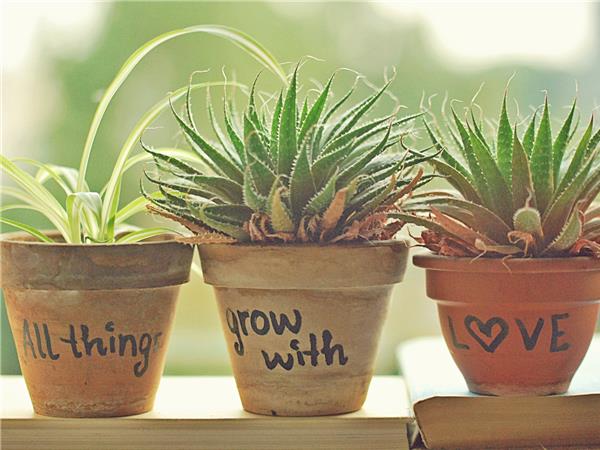
Watering: Fern-rooted plants such as the peace lily tree and pothos are relatively fond of water, but they should not be watered too much either; generally watering once every two or three days is enough. Cactus-type plants, however, should be watered once a week or once every half month, and because summer is their peak growing season, they can be placed outdoors to grow.
Pests and diseases: When growing flowers in summer, you should also pay attention to preventing pest damage. The soil should be regularly sprayed with pesticide for sterilization, preferably once a month.
III. How to protect landscaping plants from typhoons
Household potted greenery: The biggest hidden danger during a typhoon comes from the potted green plants kept on residents' balconies. When a typhoon is approaching, everyone is busy stocking up on food and taking other typhoon precautions, often neglecting these small potted plants that they normally pay no attention to, yet they become a major hidden danger during a typhoon. Therefore, before a typhoon occurs, everyone should not only take typhoon precautions for themselves, but also make typhoon preparations for the potted greenery on their balconies.
Street trees: Before a typhoon arrives, the relevant departments should prune the landscaping trees along the city's main roads and neighborhood roads to prevent typhoons from causing branches to fall and hit pedestrians and vehicles. They should also straighten and reinforce trees that are leaning due to poor growth, eliminate safety hazards, and promptly haul away the pruned branches so as not to cause unnecessary trouble for pedestrians.
Nursery seedlings: Drain water promptly and lower the water level; especially for severely flooded nurseries, the ridge surfaces of the nursery land should be exposed to the open air as soon as possible to ensure respiration of the seedling leaves and root systems. When the soil moisture content is suitable, promptly carry out shallow hoeing and loosening of the soil around the seedlings to increase root aeration and effectively restore tree vigor. Promptly straighten tilted and fallen seedlings; for seedlings with weak root foundations, strengthen earthing up and firming of the roots. For seedlings with severe root damage, use crown leaf pruning and branch thinning to reduce leaf transpiration and prevent death.
In addition to the three techniques listed above, flower and plant growing techniques also cover many other things, including water and fertilizer, light, soil, and so on, all of which have technical requirements. Everyone must keep learning and improving in the process of growing flowers.