How to Grow Succulents? A Guide to Caring for These Cute and Chubby Plants
The hot season is here again, and for succulent plants this is another test, so we need to care for them carefully during this season. And it is not only this season that requires such attention; the other seasons also have their own related points to note. Below, let us learn about three aspects.
I. Five Key Points for Growing Succulent Plants
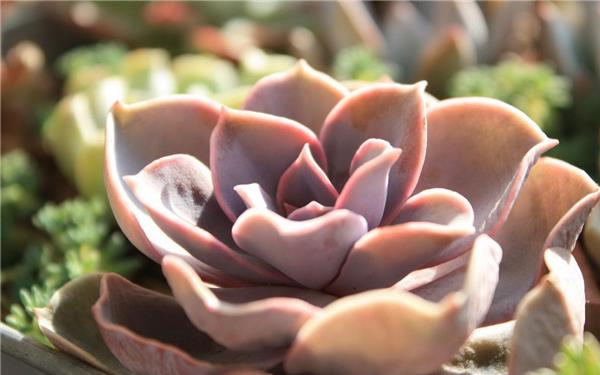
Potting soil: Succulent cultivation requires soil that is loose and breathable, with good drainage, yet with a certain water-holding capacity, and that is neutral or slightly acidic. For highland globular types (the genera Aztekium, Obregonia and Strombocactus) and the genus Ariocarpus, a little more rice-husk ash and small-grained weathered rock can be added. For tall columnar species, coarse quartz sand can be mixed in to anchor the plant.
Transplanting and planting: This should generally be done during the recovery period just after the plant's dormancy ends. Before planting, the roots should be trimmed. After trimming the roots, let them dry for a few days, then plant them in moist potting soil. After planting, provide appropriate shade and do not rush to water; do not fertilize within one month.
Temperature and light: Except for a few species with flat stem segments, tall columnar species and certain Agave plants, succulents that grow in summer should generally be cultivated in a greenhouse year-round, and temperature regulation can basically follow that for terrestrial cacti. Their light requirements are relatively low, and some species with swollen stem bases are not cold-tolerant, so a relatively high temperature should be maintained in winter.
Watering and fertilizing: Watering should be carried out according to their growth state. Whether a species is dormant in winter or dormant in summer, watering into the pot must stop during the dormant period. Seedlings should be watered more, and large globular plants less; terrestrial types should be watered less, and epiphytic types more; water more during the bud-forming and flowering period, and less after the flowers fade and the fruit drops. Fertilizing should be done during the period of vigorous growth and during bud formation. Organic fertilizer must be fully rotted. When applying chemical fertilizer, the ratio of nitrogen, phosphorus and potassium should be 5:15:10 or 5:10:10, and a small amount of trace elements should be mixed in.
II. How to Repot Succulent Plants
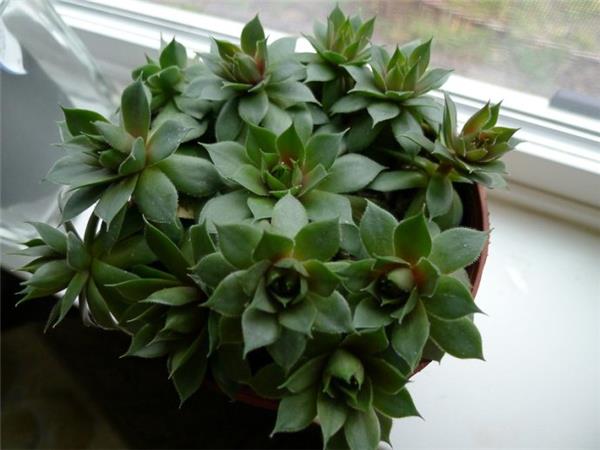
1. Stop watering 3 to 5 days before repotting. When planting a new plant, place a layer of mesh over the drainage hole at the bottom of the pot to prevent pests, then cover the mesh with a piece of tile to aid drainage.
2. When repotting, first tip the plant out of the pot and shake the soil off the roots. Cut off all old roots, rotten roots and hollow roots, keeping a healthy, plump root system with good absorption capacity. However, for varieties with thick fleshy roots, such as those in the cactus family Ariocarpus and Lophophora, the roots should not be excessively trimmed, because these fleshy roots store abundant nutrients; excessive trimming will affect growth and, in severe cases, even cause root rot and the death of the whole plant. If there are young offsets beside the old plant, they can be broken off, their roots trimmed appropriately, dried leaves removed, and then planted separately.
3. If the wound is too large when dividing offsets, apply sulfur powder, charcoal powder, carbendazim or other anti-rot agents to the wound, and let it dry for 3 to 7 days; once the wound is dry, pot it up.
4. Different varieties of succulent plants should be planted in different potting soils. Place coarse-grained soil at the bottom of the pot, then fine-grained soil, hold the plant upright, and as you add soil, lift the plant slightly so that the roots spread out. Do not fill the soil too full, to make watering easier later.
III. Controlling Mealybug Pests on Succulent Plants
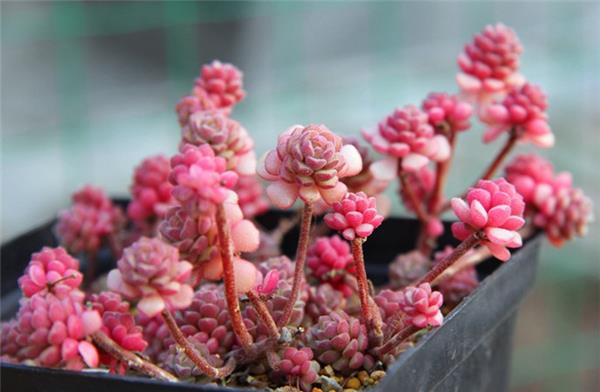
1. 75% alcohol has a surface sterilizing and disinfecting effect; after treatment its main components evaporate quickly and little residue remains on the surface, so it is unlikely to form spots that spoil the plant's appearance. An oil painting brush, meanwhile, can flexibly and effectively brush away mealybugs lurking in the ribs and valleys, folds, thin bases, undersides of leaves and overlapping leaf joints of cacti and succulent plants.
2. Place the brushed plants in a 1000-fold dilution of 40% Supracide emulsifiable concentrate and soak them briefly, then dry them (for home cultivation this step can be omitted) and place them separately. At the same time, in conjunction with repotting, mix new soil, and wash the old pots and then sterilize them at high temperature or soak them in a 0.05% potassium permanganate dilution for disinfection, to prevent a second round of spread. During this period, strengthen management and watch out for recurring mealybug infestations.
3. It should be noted that this method is only a last-resort remedy. The care of cacti and succulent plants should focus on prevention, with treatment as a supplement. In early spring, strengthen ventilation and air exchange, adjust the spacing between pots in good time, and pay close attention to the occurrence and spread of various mealybug infestations.
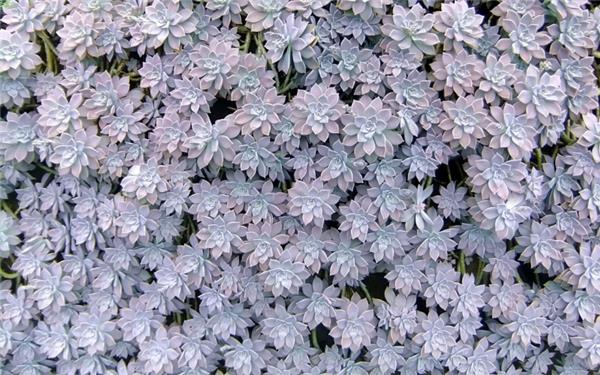
Generally speaking, succulent plants are rather small and cute, very suitable for placing on office desks, writing desks and similar places. They not only beautify the room, purify the air and help rest the eyes, but can also make people feel relaxed in body and mind after looking at them and help adjust a tense pace of life, so everyone must give them plenty of care.
They not only beautify the room, purify the air and help rest the eyes, but can also make people feel relaxed in body and mind after looking at them and help adjust a tense pace of life, so everyone must give them plenty of care.