A Detailed Guide to the Cultivation Methods and Benefits of Kadsura coccinea
There are many things to pay attention to before planting Kadsura coccinea; let us take a look together below.
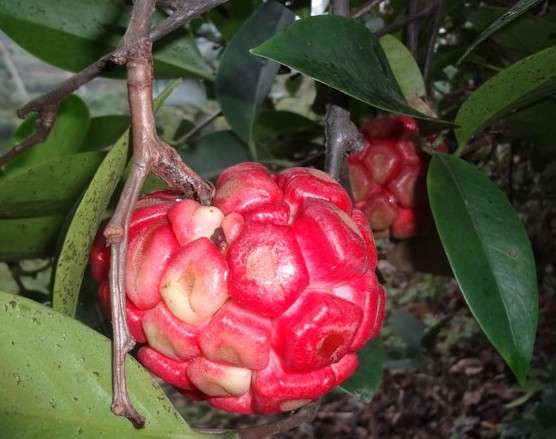
I. Cultivation Techniques and Growing Management of Kadsura coccinea
1. Site selection. Kadsura coccinea is not strict about soil requirements; generally, any soil that can grow peach, plum, jujube, persimmon, pear, apple, grape, or loquat can be used to grow it, but slightly acidic sandy loam is most suitable.
2. Cultivation methods and timing for Kadsura coccinea. Kadsura coccinea is a vine plant, and it can be cultivated with a trellis, a fence trellis, or in pots. For a trellis, about 120 plants can be planted per 667 sq m, with a plant-to-row spacing of 2 m x 3 m; for a fence trellis, about 300 plants can be planted per 667 sq m, with a plant-to-row spacing of 1 m x 2 m. In the south, field planting can be done from December to March of the following year; in the north, field planting can be done in spring from March to April.
3. Matching female and male plants. Kadsura coccinea is a dioecious plant. When cultivating it, plant female and male plants at a ratio of 9:1, which helps cross-pollination. Artificial pollination can also be carried out during the flowering period to increase yield.
4. Cultivation methods for Kadsura coccinea. Kadsura coccinea has many fibrous roots, and they are mostly distributed in the shallower soil layer. Therefore, when planting in mountainous or hilly areas, the holes do not need to be too deep; a length and width of 0.6 m each and a depth of 0.5 m are suitable; for plains, vegetable gardens, and paddy fields, there is no need to dig holes or trenches, and ridge planting is best.
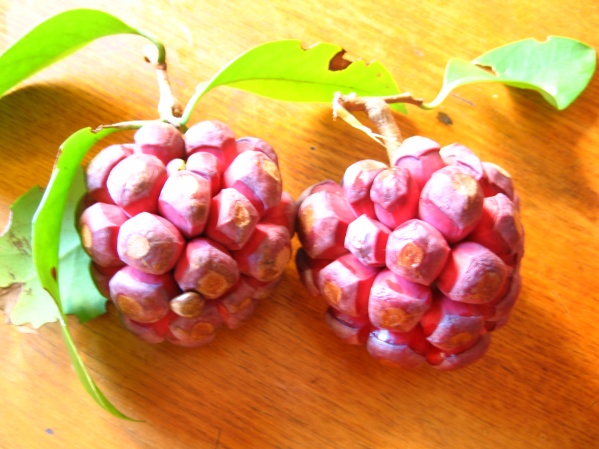
5. Fertilizer and water management for Kadsura coccinea. Use 2000 kg of farmyard manure and 100 kg of calcium magnesium phosphate mixed evenly as base fertilizer per 667 sq m; when topdressing, apply light fertilizer frequently, and it is best to apply fermented and rotted cake fertilizer and farmyard manure; for young plants that have not yet set fruit, fertilize once every half month, mainly with nitrogen fertilizer; after fruit set, fertilize once about every 10 days, mainly with phosphorus and potassium fertilizer.
6. Pruning techniques. Pruning is generally carried out 1 month before winter flowering. On the one hand, prune excess branches; on the other hand, cut off winter flower buds. Trellis cultivation generally does not require pruning, while fence trellis or pot cultivation both require pruning to control the tree shape and ensure yield (the main branches of Kadsura coccinea are vegetative branches, which are the vines that control the tree shape; the side branches are fruiting branches, which are the vines that control the fruit).
7. Pest and disease control for Kadsura coccinea. It has strong disease resistance; the main problems are termites harming the roots and inchworms harming the leaves and flower buds.
(1) To control termites, scatter lime, plant ash, or carbofuran in the planting hole before planting.
(2) To control inchworms, spray the canopy with a 2000-3000 times dilution of 20% fenvalerate.
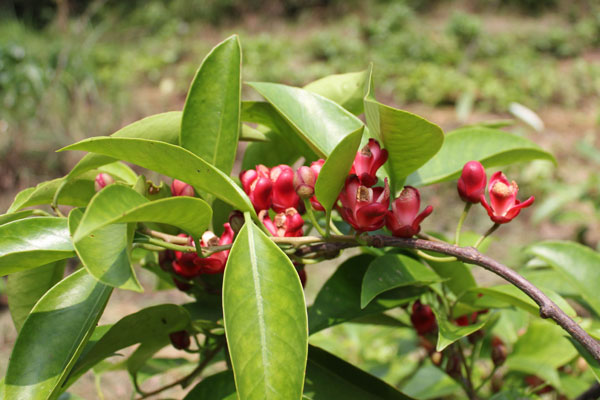
II. The Effects and Benefits of Kadsura coccinea
Ornamental: Kadsura coccinea has green stems and leaves all year round, and is a good seedling for ornamental bonsai, landscaping, and the development of sightseeing agriculture. It is known as the number one wonder fruit in the world.
Edible: The fruit is delicious and sweet. The pulp is like that of grapes, juicy and sweetly aromatic; the flesh color is like that of lychee, milky white and delicate; the fruit fragrance is like that of apples, richly pleasing; the color, fragrance, and taste are all excellent. Looking at it delights the eye and pleases the heart; smelling it makes the mouth water.
Medicinal: gastric and duodenal ulcers; chronic gastritis; acute gastroenteritis; rheumatic arthralgia; traumatic injuries; fractures; dysmenorrhea; postpartum blood stasis and abdominal pain; hernia pain. Pregnant women should take it with caution.
Liver-protecting effect: A preliminary study was conducted using Kadsura coccinea on the protective effect against carbon tetrachloride-induced liver injury in rats. The experiment proved that Kadsura coccinea has a relatively good effect in lowering enzymes, protecting liver cells, and resisting liver fibrosis. It was further proved that the effects of Kadsura coccinea in lowering enzymes, protecting liver cells, and resisting liver fibrosis are related to its anti-lipid peroxidation effect.
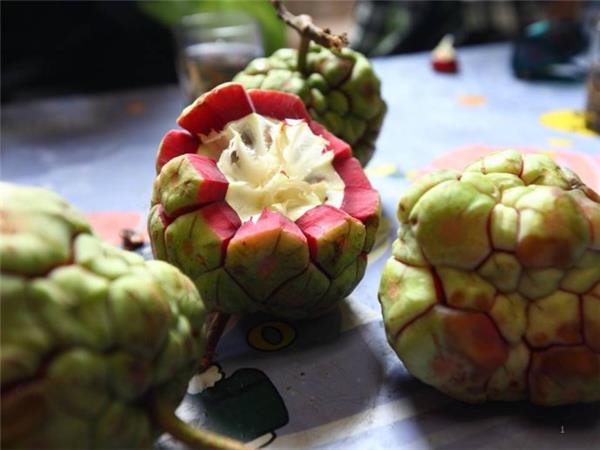
It seems that Kadsura coccinea is not only quite attractive in appearance, but is also a plant of great value internally. If a Kadsura coccinea tree is grown at home, it can not only delight the eye and please the heart, but also allow you to taste delicious and healthy fruit during the fruiting period.