Differences Between Red Raspberries and Strawberries, and Red Raspberry Cultivation Techniques
The red raspberry is a very delicious and tasty fruit rich in nutrients, and the red raspberry plant is relatively easy to grow, so it definitely counts as a tree species worth planting.
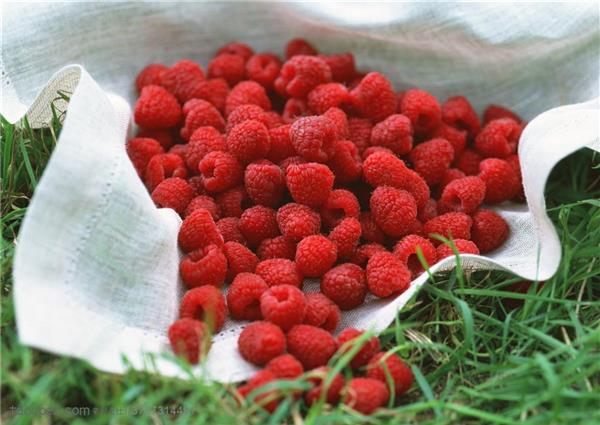
I. What Is the Difference Between Red Raspberries and Strawberries
1. Their common features are brightly colored fruit, soft and juicy flesh, and a distinctive flavor. In terms of fruit shape, both are botanically called aggregate fruits, and in cultivation both are called berries.
2. The strawberry is a perennial herbaceous plant with a short, small plant. The raspberry, however, is a perennial trailing shrub, reaching up to $2~$2.
3. The raspberry has high economic value and also very notable ecological benefits. It is suitable both for scattered planting in farm courtyards, on hillsides and on barren slopes, and for intensive plantation-style management. There are upright, semi-upright and trailing types. It is divided into two categories: thorny and thornless. After one-year-old seedlings are planted, some varieties flower and bear fruit the same year, and some the following year, and they can enter full fruiting in 3 to 5 years, with an economic lifespan of up to 20 years. The raspberry has beautiful flowers and fruit, can beautify the environment and conserve soil and water, and offers good economic, ecological and social benefits.
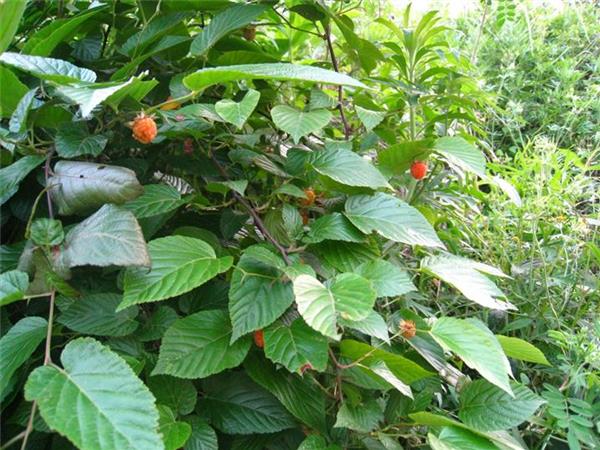
II. Common Red Raspberry Varieties
Heritage: an upright everbearing (two-crop) raspberry, fall-bearing, medium-sized fruit, fruit weight about $2, bright red, strong fragrance, vigorous root suckers, high yield (USA).
Tulameen: an upright single-crop (summer-bearing) raspberry, large fruit about $2, firm and thick fruit, bright color, few root suckers, strong growth, high yield, cold-resistant (USA).
Orus: a semi-trailing everbearing raspberry, good fruit flavor, suitable for fresh eating, high yield (USA).
Summit: an everbearing red raspberry, firm fruit, delicious, high yield, easy to pick, keep fresh, store and transport, ripening in late August (USA).
Willamette: high yield, early ripening, fruit is tart with a hint of sweetness, nearly round, dark red, medium firmness. The plant is vigorous with extremely strong root suckers (USA).
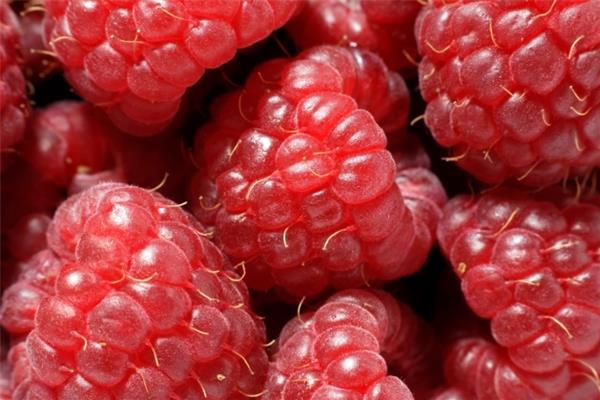
III. Key Points of Red Raspberry Cultivation
1. Site selection: red raspberries are not strict about soil and can grow normally in ordinary land, but grow better in relatively fertile soil; cultivation is best done in spring and autumn, giving the highest survival rate.
2. Cultivation method: after raking the land level and breaking up the soil fine, apply plenty of base fertilizer if conditions allow; use a row spacing of 2 m and a plant spacing of 30 cm; then dig holes 15 cm long, wide and deep, in straight, evenly spaced lines; before planting, soak the seedling roots in water for 4 hours, then begin planting, with 1110 seedlings per mu; the planting method is very simple: spread the seedling roots open and place them in the hole, then cover with soil and tread firm; the key point is: plant deep, bury shallow; the standard is: the soil covering the seedling roots and around them must not exceed the original water line the seedling had in the nursery; where conditions allow, watering thoroughly after planting if there is no rain, or covering with plastic film, can ensure the survival rate.
3. Post-planting management: within two months after planting red raspberries, check the survival situation promptly and strengthen management. After red raspberry seedlings are planted, the main part that sends out shoots is the underground rhizome; the above-ground part is not as important as with other fruit trees, so when planting raspberry seedlings, cut the above-ground part back to leave only about 20 cm, which can raise the survival rate; after planting and before budding, a "soil-sealing herbicide" can be applied to prevent large areas of weeds; during the red raspberry growing period, especially in arid areas, after watering, loosen the soil shallowly, then use "Gramoxone" or "paraquat" to control weeds, saving labor and effort with good results.
4. Pruning method: red raspberries generally do not need pruning, but for good looks and high yield, carry out the first pruning in early spring after the raspberries emerge from the soil and before they are put on the trellis; crowded, thin and weak branches and branches with pests or disease should be cut off promptly, and fruiting canes should be pruned to a uniform specification of 1.3 m to 1.5 m; the second pruning is best done after harvest is finished, cutting off all the mother canes that have finished fruiting, so as to improve ventilation and light penetration; in southern regions that do not need soil mounding for winter cold protection, this can be postponed until before the fruiting mother canes sprout the following spring, and it is better to do it early than late.
5. Harvesting and storage: the ripening period of red raspberries varies somewhat by region and variety; in Northeast China they generally begin ripening in early July, and during the ripening period they are harvested once every 1 to 2 days, with a harvest period of about one month. Fully ripe berries have the distinctive flavor of fruit, an enticing aroma, bright red color, tender skin, and a sweet-and-sour refreshing taste that people never tire of eating; generally the berries can be harvested when they reach nine-tenths ripe, and the harvested berries can be placed directly in plastic boxes for sale.
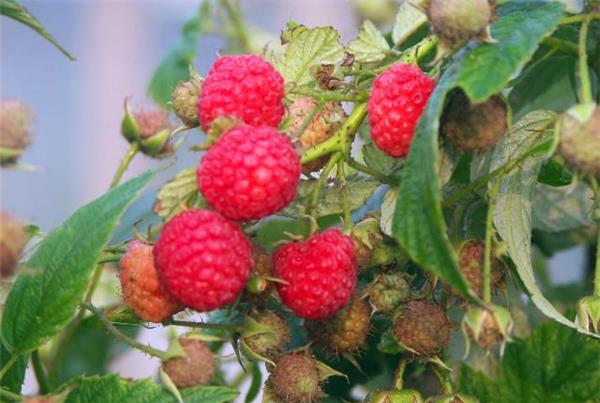
The fruit of the red raspberry is not only edible, but also bright in color and small in shape, giving a great ornamental fruit effect, so friends who have suitable conditions such as a courtyard at home can also try growing red raspberries.