Vegetable Types Suitable for Home Growing and How to Grow Them Indoors
There is an extremely wide variety of vegetables; it can be said that any plant that can be used to prepare dishes counts as a vegetable. Growing vegetables at home has gradually become a popular trend, so let's take a look below at how to grow vegetables at home and which vegetables are suitable for home growing.
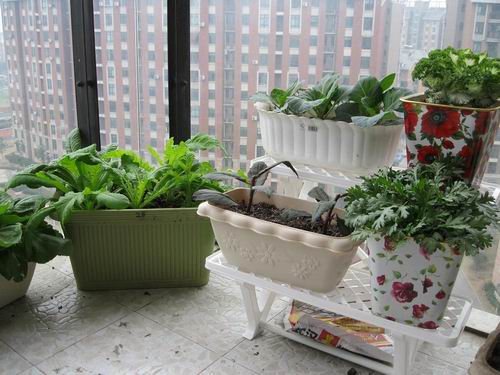
Precautions for Growing Vegetables at Home
1. Soak the seeds so they will germinate in season. Before seeds germinate, they need plenty of moisture, just as they are watered by spring rain. Once the seeds are plump, the embryo inside will begin to grow. The seeds of vegetables such as cauliflower, cabbage and arugula can efficiently use moisture from the air and germinate quickly without pre-soaking. But pre-soaking the seeds of slower-growing parsley and parsnip still has certain benefits. Soak the seeds in room-temperature water for a few hours or overnight, but do not forget to take them out, so the seeds are not left in the water too long. Then drain the water from the surface of the seeds and sow them immediately.
2. When choosing seedlings, pick those grown in large containers with healthy green leaves and sturdy structure (check for a strong, well-developed root system), and avoid those that have been neglected, are spindly and weak, or have grown too large.
3. Vertical growing saves space. You can let the vines of kidney beans, cucumbers, watermelons and pumpkins climb up trellises or pergolas instead of letting them spread along the ground.
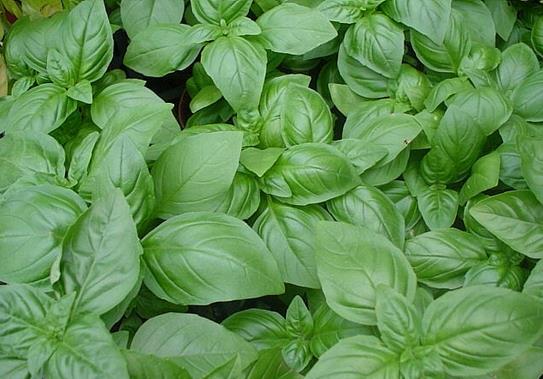
4. For containers, you can prepare some discarded plastic cups with holes punched in the bottom, to be used for raising seedlings. Plastic flower pots or foam boxes (with holes in the bottom) with a tray underneath. Do not use clay pots. 0.5 kg of ceramic gravel and 1-2 kg of perlite; vermiculite, peat and rock wool are all fine. Concentrated nutrient solution comes in two types, No. 1 and No. 2, and must be diluted and used in combination. 2 empty plastic bottles (for diluting the nutrient solution).
5. After the seedlings emerge, apply diluted nutrient solution 1-2 times a day, with the liquid seeping into the tray as the ideal. Thinning. When the seedlings grow 2 leaves, begin thinning, keeping only one seedling per hole and pulling out the extra ones. Repotting. When the seedlings have 3-5 true leaves, they need to be moved to larger pots. First spread a layer of soaked ceramic gravel on the bottom of the pot to help drainage, then add perlite, transplant the seedlings together with the growing medium into the large pot, and finally cover the perlite with a layer of ceramic gravel. After repotting, apply the solution; the first time it should be watered thoroughly, with seepage into the tray as ideal. Applying the solution. Leafy vegetables are given solution once every 2 days and watered twice a day; fruiting vegetables are not watered but only given solution, twice a day.
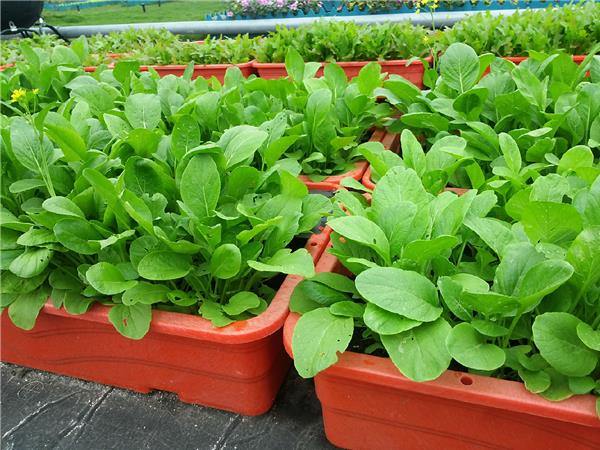
6. Fruit vegetables that can be grown soillessly include tomatoes, cucumbers, bitter melon, strawberries and cherry radishes. Leafy vegetables include lettuce, celery, cilantro, baby bok choy, small rapeseed, water spinach, crown daisy and so on. The maturity periods of these vegetables vary. Fruit vegetables generally take 3-5 months, leafy vegetables generally 2-3 months.
Vegetable Types That Benefit Your Health
Carrot: Experts have found through research that carrot is the most effective food for eliminating mercury, because carrot contains a large amount of pectin, which can bind with mercury. In addition, it can lower the concentration of mercury ions in the blood and speed up their elimination from the body. Eating some carrot every day can also stimulate blood circulation in the stomach and intestines, improve the digestive system, and resist free radicals that cause disease and aging.
Garlic: If the lead level in our body exceeds the standard, it will seriously harm our internal organs, so when it comes to what to eat for liver detoxification, garlic is absolutely the first choice. Research has found that garlic contains certain special components that can effectively lower the lead concentration in the body.
Chinese yam: Besides knowing what to eat for liver detoxification, we should also pay attention to nourishing the liver. Chinese yam can not only nourish multiple organs at the same time, but also has a good kidney-tonifying effect and a very good detoxifying effect on the kidneys.
Fig: Fig is a good choice for protecting health; fig contains a large amount of organic acids and various enzymes, and eating a moderate amount more can effectively protect the liver and remove toxins, clear heat and moisten the intestines, and is also very helpful for digestion.
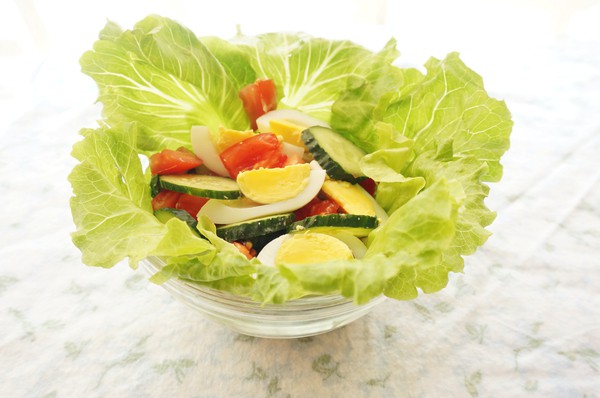
Besides these vegetables, for home vegetable growing you can also choose lettuce, Chinese cabbage, bell peppers, tomatoes, some fruits and so on; there are a great many types to choose from, so everyone can pick and grow whatever they like.
There are a great many types to choose from, so everyone can pick and grow whatever they like.