What are the benefits and effects of melon? A detailed explanation in one article
Melon is also known as gan gua or xiang gua. Melon gets its name from its sweet taste, and because of its striking fresh fragrance it is also called xiang gua. Melon is a summer heat-relieving fruit, and its nutritional value can rival that of watermelon. According to measurements, apart from its water and protein content being lower than that of watermelon, all its other nutrients are no less than those of watermelon, while its content of aromatic substances, minerals, sugars and vitamin C is notably higher than that of watermelon. Eating more melon is beneficial to the activity of the human heart, liver and intestinal system, and promotes endocrine and hematopoietic function. Traditional Chinese medicine confirms that melon has the notable effects of "relieving summer heat, quenching thirst, and promoting urination."
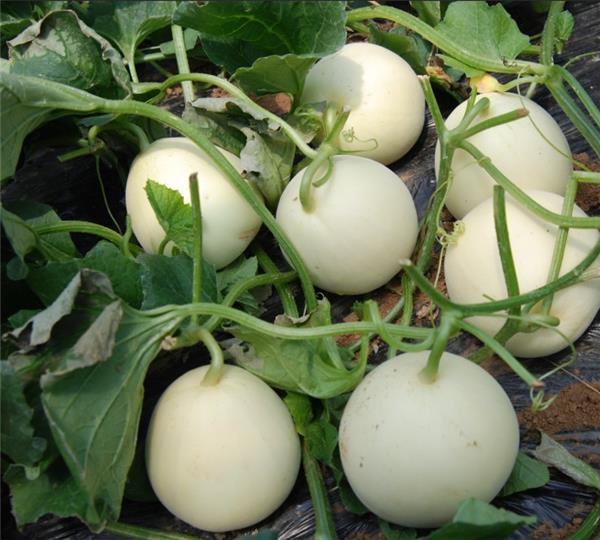
Introduction to the health benefits and effects of melon
(1) Clearing summer heat. Relieving thirst and irritability. Melon contains a large amount of carbohydrates as well as citric acid, carotene and vitamins B and C, etc., and is rich in water, so it can relieve summer heat and clear heat, promote body fluid production and quench thirst, and relieve irritability, etc.
(2) Helping kidney disease patients absorb nutrients. Melon contains invertase, which can convert insoluble protein into soluble protein, helping kidney disease patients absorb nutrients, and is beneficial to patients with kidney disease.
(3) Protecting the liver. Cucurbitacin B contained in melon stem can significantly increase experimental liver glycogen accumulation and reduce chronic liver damage, thereby preventing fatty degeneration of liver cells and inhibiting fibrous proliferation.
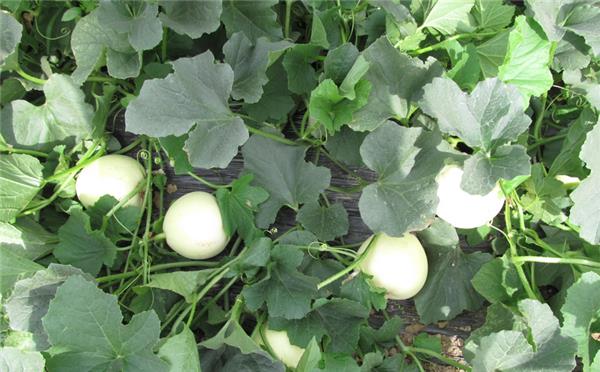
(4) Inducing vomiting. Melon stem contains bitter principles, crystalline bitter substances such as cucurbitacin B and E, which can stimulate the gastric mucosa. Taken orally in an appropriate amount, it can cause vomiting, but it is not absorbed by the body, so there are no drawbacks such as collapse or poisoning.
(5) Killing parasites. Modern research has found that melon seeds have the effect of expelling and killing roundworms, filarial worms, etc., and can be widely used to treat parasitic infestation conditions.
(6) Supplementing nutrition. Ripe melon flesh contains protein, fat, carbohydrates, inorganic salts, etc., and can supplement the energy and nutrients the human body needs, helping the body recover health.
Nutritional value
Xiang gua has many benefits for health and has high nutritional value. It contains vitamins A, B and C and minerals such as magnesium, sodium and potassium. Because it contains no cholesterol, it is very safe for patients with high blood cholesterol.
Melon tastes very good and can be eaten as a dessert. It can serve as a substitute for high-calorie snacks and can help with healthy weight loss. Because it is rich in potassium, it can help control blood pressure and can prevent stroke. The potassium in this fruit can reduce the problem of kidney stones.
Xiang gua is rich in plant fiber (one cup of xiang gua contains 1.3 grams), so it can greatly relieve constipation. The nutritional value of xiang gua and its benefits for health have been confirmed by doctors around the world. They believe that this fruit can prevent age-related bone loss.
Melon is a very good source of vitamin C, which is an antioxidant. This helps prevent heart disease and even cancer. It also contains beta-carotene. Research has revealed the fact that beta-carotene combined with vitamin C can prevent many chronic diseases.
Xiang gua also provides many other health benefits. Regular consumption of xiang gua juice can help treat loss of appetite, excess stomach acid, ulcers and urinary tract infections. It can also reduce internal heat and, to a large extent, can prevent diseases related to internal heat (shang huo). It can relieve fatigue and is an effective mild laxative, so it can help treat insomnia.
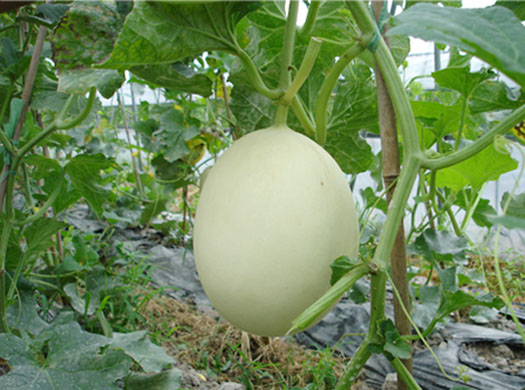
If you want to lose weight, this is a very excellent fruit. Its large amount of fiber will make you feel full. Its taste is very good, and it can be used to make salads. Therefore a rapid weight loss plan should include xiang gua.
In addition, xiang gua is also beneficial for skin care. It contains vitamin A, which is beneficial for maintaining healthy skin. This fruit provides a considerable amount of folic acid, which is especially important for pregnant women. It helps fetal health and can even prevent cervical cancer and osteoporosis. In addition, the folic acid it contains can also serve as a mild antidepressant.
Reference for empirical formulas:
1. Wash xiang gua and eat it freely; it can relieve summer heat.
2. Take 30 grams of xiang gua seeds, add an appropriate amount of white sugar, mash and grind into a fine powder, and take it mixed with warm boiled water; treats intestinal abscess and lung abscess.
3. Take 15 grams of xiang gua seeds, 30 grams of fried whole Angelica sinensis, and 3 grams of snake slough, sun-dry and grind into powder, take 10 grams each time, three times a day; treats intestinal abscess (appendicitis).
4. Mash xiang gua leaves and apply to the affected area; treats scalp ringworm.
5. Burn xiang gua stem until it retains its nature, grind into powder, and it can also be used together with asarum powder; take a small amount and blow it into the nose, three times a day; treats chronic hypertrophic rhinitis and nasal polyps.
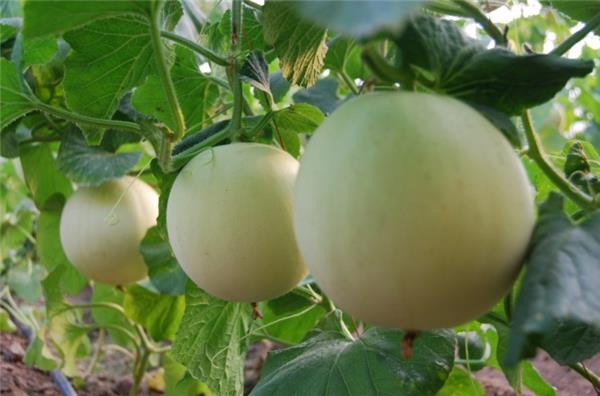
6. Dry xiang gua stem and grind into powder. Use 0.1 grams each time, divided into three portions. First inhale one portion deeply through both nostrils. After about forty minutes, clean the nasal cavity and inhale another portion. After another forty minutes, inhale the last portion. After seven days, use the same method to inhale 0.1 grams; inhaling a total of 0.4 grams constitutes one course of treatment. It treats jaundice or anicteric infectious hepatitis, and cirrhosis. Generally, chronic hepatitis requires two courses; if it is cirrhosis, then three to five courses are needed. After inhaling the medicine, a large amount of yellow fluid flows out from the nasal cavity, up to one hundred milliliters each time. When inhaling the medicine, the patient must keep the head forward so that the yellow fluid drips out, and must not swallow it, so as to avoid causing diarrhea. Sometimes headache, aversion to cold, and fever may occur, similar to cold symptoms, or there may be increased pain in the liver and spleen. Such symptoms can disappear naturally after one day.
6. Dry xiang gua stem and grind into powder. Use 0.1 grams each time, divided into three portions. First inhale one portion deeply through both nostrils. After about forty minutes, clean the nasal cavity and inhale another portion. After another forty minutes, inhale the last portion. After seven days, use the same method to inhale 0.1 grams; inhaling a total of 0.4 grams constitutes one course of treatment. It treats jaundice or anicteric infectious hepatitis, and cirrhosis. Generally, chronic hepatitis requires two courses; if it is cirrhosis, then three to five courses are needed. After inhaling the medicine, a large amount of yellow fluid flows out from the nasal cavity, up to one hundred milliliters each time. When inhaling the medicine, the patient must keep the head forward so that the yellow fluid drips out, and must not swallow it, so as to avoid causing diarrhea. Sometimes headache, aversion to cold, and fever may occur, similar to cold symptoms, or there may be increased pain in the liver and spleen. Such symptoms can disappear naturally after one day.