What are the benefits and effects of watermelon? A comprehensive analysis in one article
Eating watermelon in summer is truly a pleasure, so what are the benefits of eating watermelon? In fact, watermelon has many benefits; let us take a look together at the benefits of eating watermelon.
The benefits of eating watermelon
1. Watermelon can clear heat and relieve summer heat, eliminate irritability and quench thirst: watermelon contains a large amount of water. When suffering from acute febrile disease with fever, thirst, profuse sweating, and irritability, eating a piece of sweet, sandy, and juicy watermelon will immediately improve the symptoms.
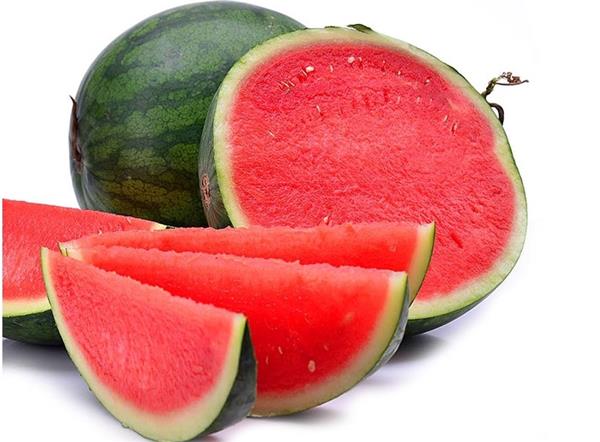
2. The sugar and salt contained in watermelon can promote urination and eliminate kidney inflammation. The protease can convert insoluble protein into soluble protein, increasing the nutrition of patients with nephritis.
3. Watermelon also contains substances that can lower blood pressure.
4. After eating watermelon, urine output increases noticeably, which can reduce the content of bile pigment and promote smooth bowel movements, and has a certain effect on treating jaundice.
5. Fresh watermelon juice and tender watermelon rind increase skin elasticity, make people look younger, reduce wrinkles, and add radiance.
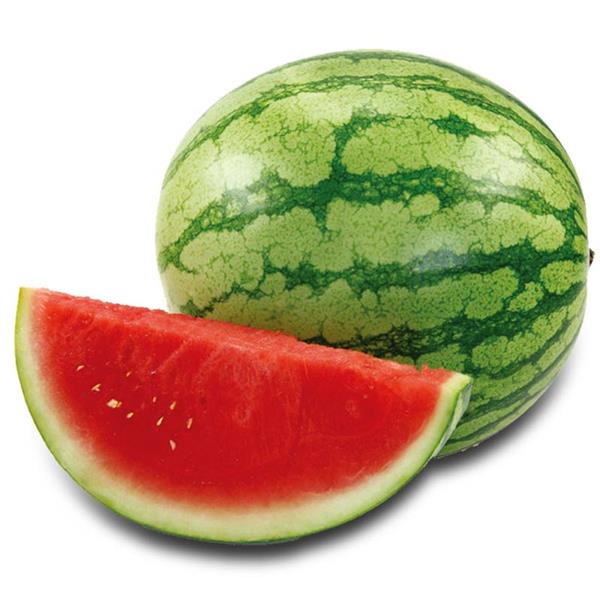
The benefits and effects of watermelon
Watermelon is cold in nature and sweet in taste, and enters the heart, stomach, and bladder meridians. It has the effects of clearing heat and relieving summer heat, promoting fluid production and quenching thirst, promoting urination and relieving irritability. It mainly treats qi congestion in the chest and diaphragm, fullness and discomfort, difficult urination, sores in the mouth and nose, summerheat, heatstroke, and alcohol poisoning.
Watermelon has the functions of promoting fluid production, relieving irritability, quenching thirst, relieving summer heat, clearing the lungs and stomach, promoting urination, aiding digestion, and promoting metabolism. It is a food and drink that can nourish and tonify the body. It is suitable for people with hypertension, hepatitis, nephritis, pyelonephritis, jaundice, cholecystitis, edema and puffiness, as well as those with heatstroke and fever, profuse sweating, and thirst. Pregnant women can eat some appropriately to relieve swelling during pregnancy.
The sugar, salt, acid, and other substances contained in watermelon have the effect of treating nephritis and lowering blood pressure.
Watermelon is also a natural holy fruit for beauty. Watermelon juice contains citrulline and various amino acids with skin physiological activity, which are easily absorbed by the skin, moisturizing facial skin, providing sun protection, and whitening. Whether pregnant or breastfeeding, female friends can, while eating watermelon, wipe their face with the juice, or cut off the outer green rind of the watermelon, cut the inner white rind into thin slices, and apply them for 15 minutes. This can increase skin elasticity, reduce wrinkles, and add radiance.
Watermelon seeds are rich in oil and have the effect of strengthening the stomach and promoting bowel movements.

How to choose a watermelon
Look at the shape. First identify the skin color of the watermelon and the stem end and blossom end. A well-formed melon, hard and plump rind, clear patterns, and a slightly uneven wavy texture on the surface; the stem end and blossom end are tightly closed and slightly sunken; the part of the rind touching the ground turns yellow. These are signs of ripeness.
Listen to the sound. If the sound is crisp and sharp, like the "dong dong" or "de de" sound of knocking on wood, it is an unripe watermelon; if the sound is dull and murky, similar to the "pu pu" sound of beating a drum with a vibrating echo, it is a ripe, good melon.
Weigh it by hand. An unripe melon contains more water and is heavier; a ripe melon, because its flesh is fine and crisp and its tissues are loose, is relatively lighter than an unripe melon.
If the rind is soft and bruised black, the knocking sound is too heavy, the melon is too light, or even shakes with a dull sound, then it may be an overripe, rotten melon and is not suitable for eating. Some unscrupulous vendors excessively use ripening agents, hormones, or red coloring, or even inject saccharin to increase sweetness. Generally, the stripes on the rind of this kind of watermelon are not very uniform, and after cutting it open, the flesh color is especially bright, but the seeds are white, and it also has an off taste in the mouth.

How to store watermelon
For 3-15 days, you can wrap it completely with plastic wrap and put it in the refrigerator for cold storage, and it can be kept for about three days; for a whole uncut watermelon, seal the entire melon with plastic wrap and place it in a cool, ventilated room, and it can be kept for about fifteen days.