What Are the Nutritional Components of Tomatoes? A Comprehensive Guide
Tomatoes are one of the most commonly eaten fruits and vegetables in our daily diet. They can be eaten raw or cooked, though the nutrition differs slightly between these two ways of eating. How should you eat them to get the nutritional value of tomatoes? What are the benefits of tomatoes? Let's take a look at the article below!
Nutritional Components
Tomatoes are rich in carotene, vitamin C and B vitamins
Nutritional components per 100 grams of tomato:
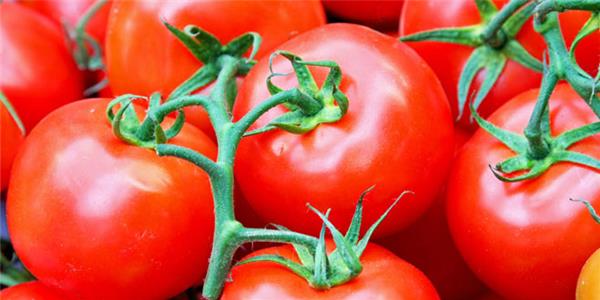
Energy 11 kcal, vitamin B 0.06 mg, protein 0.9 g, fat 0.2 g, carbohydrates 3.3 g
Folate 5.6 micrograms, dietary fiber 1.9 g, vitamin A 63 micrograms, carotene 375 micrograms, thiamine 0.02 mg
Riboflavin 0.01 mg, niacin 0.49 mg, vitamin C 14 mg, vitamin E 0.42 mg, calcium 4 mg, phosphorus 24 mg
Potassium 179 mg, sodium 9.7 mg, iodine 2.5 micrograms, magnesium 12 mg, iron 0.2 mg, zinc 0.12 mg, copper 0.04 mg, manganese 0.06 mg
The edible part of the tomato is its juicy berry. There are extremely many varieties; by fruit shape they can be divided into round, oblate, oblong and pointed-round; by skin color, there are bright red, pink, orange-red and yellow. Thanks to the protection of organic acids and vitamin P, there is no need to worry that tomatoes will lose nutrients from being cooked and heated.
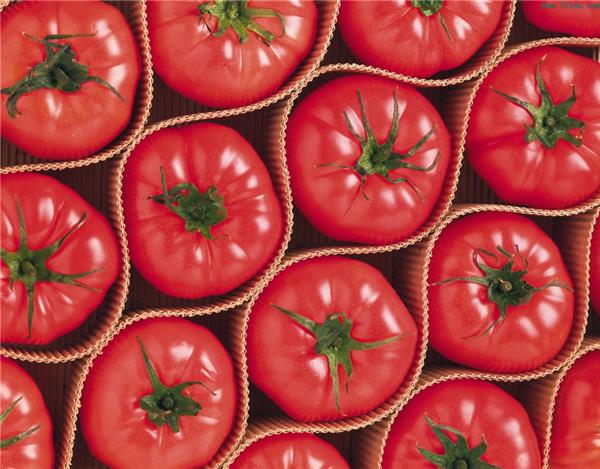
Red tomatoes have a fiery red fruit color and are generally slightly oblate-spherical with a small navel, thick flesh, a sandy-sweet taste, plenty of refreshing juice and excellent flavor; they can be eaten raw or cooked, and can also be processed into tomato paste and tomato juice. Pink tomatoes have pink fruit, are nearly spherical with a small navel and a smooth surface, have a moderately sweet-and-sour taste and relatively good quality. Yellow tomatoes have orange-yellow fruit, are large and spherical with thick flesh that is both mealy and sandy; they taste bland when eaten raw and are better suited to cooked dishes.
Benefits of Eating Tomatoes
Modern research shows that tomatoes contain large amounts of vitamins, carotene, lycopene, protein, cellulose and rich trace elements, and play a very important role in disease prevention and health care.
Stomach-strengthening and digestion-promoting: Tomatoes contain citric acid and malic acid, which can break down fat and promote food digestion, thereby exerting a stomach-strengthening, digestion-promoting and appetite-increasing effect. Therefore, people with indigestion or poor appetite should eat more tomatoes.
Fat-reducing and weight-loss: Tomatoes contain cellulose, which can make a person feel full and is beneficial for dieting and weight loss. In addition, cellulose can work together with lycopene to bind the metabolic product of human cholesterol, "alkaloids," thereby achieving the goal of reducing fat and losing weight. Therefore, obese patients and those who wish to slim down should eat more tomatoes.
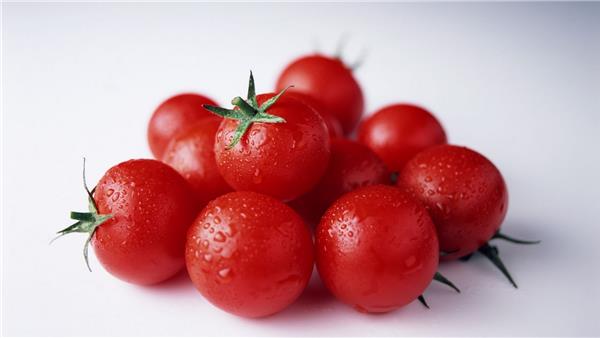
Heart-protecting and liver-protecting: The fructose, glucose and vitamins in tomatoes all have nutritional and health-care effects on organs such as the liver and heart. So eating tomatoes often can protect the liver and heart. People with liver disease and heart disease should include tomatoes in their diet.
Cancer prevention and treatment: The cancer-preventing and anti-cancer effects of tomatoes deserve our sufficient attention. Lycopene in tomatoes is a kind of carotenoid, and its content in tomatoes is the highest. The darker the color of the tomato, the higher its content. Research in the United States and Italy shows that the antioxidant effect of lycopene is even stronger than that of the well-known beta-carotene. This substance can shrink tumor volume and delay the process of cancer cell spread, so the tomato is called an "anti-cancer expert." It can be used to prevent and treat prostate cancer, lung cancer, stomach cancer, breast cancer, cervical cancer and skin cancer, among others.
Quality requirements for tomatoes:
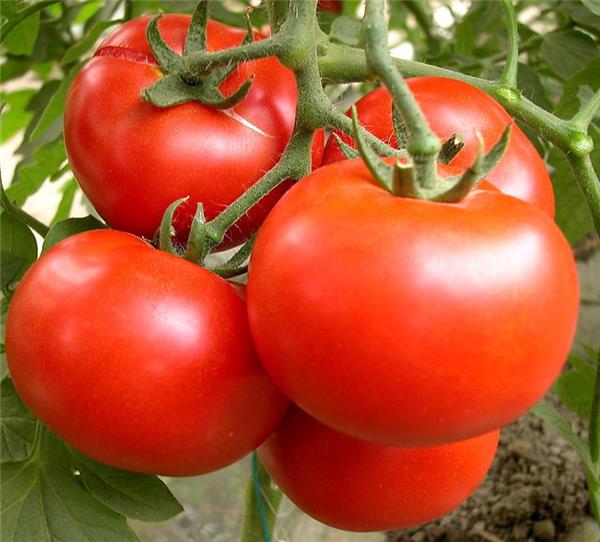
Generally, choose those with a regular fruit shape, no cracks, no insect bites, moderate ripeness, a pleasant sweet-and-sour taste, thick flesh and small seed chambers. It is best to choose tomatoes of moderate ripeness, as they not only taste good but also have high nutritional value.
Precautions for eating tomatoes: Eating tomatoes has many benefits, but when eating tomatoes you should also pay attention to ingredient pairings.
Ingredients that pair well with tomatoes:
1. Cauliflower: Cauliflower contains nutritional components such as vitamin A, vitamin B1, vitamin C, vitamin E and vitamin K, and can purify the blood, improve fitness, enhance resistance to toxins and prevent disease. Paired with tomatoes, it can give full play to their nutritional effects, and also has the effects of treating gastrointestinal ulcers, constipation and skin suppuration and preventing periodontal disease.
2. Eggs: Tomatoes are rich in vitamin C, sugars, rutin and other components, and have the effects of resisting vitamin C deficiency, moisturizing the skin, protecting blood vessels, lowering blood pressure, aiding digestion and promoting urination; eggs are rich in protein, fat, various vitamins and other components, and have the effects of nourishing yin and moistening dryness, and nourishing blood. Eaten together, the two can provide the human body with rich nutritional components and have certain bodybuilding and anti-aging effects.
3. Celery: Celery has an obvious blood-pressure-lowering effect and is rich in cellulose. Tomatoes can strengthen the stomach and promote digestion, and are especially suitable for patients with high blood pressure and high blood lipids. Tomatoes contain vitamin P, namely rutin, which can prevent and treat high blood pressure and arteriosclerosis. If eaten together with celery, it can provide the human body with rich nutritional components and has the effects of clearing heat and draining dampness, and calming the liver and lowering blood pressure. It is suitable for conditions such as high blood pressure and anemia.
4. Tofu: Tomatoes are both a fruit and a vegetable, and are delicious and tasty. Tomatoes not only contain rich vitamins and organic acids, but also contain many kinds of minerals, accounting for 0.6% of their total weight, among which calcium, phosphorus, zinc and iron are the most abundant, along with important trace elements such as manganese, copper and iodine. Pairing tomatoes with tofu, which is even richer in trace mineral elements, will satisfy the human body's maximum needs for various trace elements. In addition, when the thirst-quenching, stomach-strengthening and digestion-promoting tomato is paired with tofu, which boosts qi and harmonizes the middle, promotes fluid production and moistens dryness, and clears heat and detoxifies, its effects of warmly tonifying the spleen and stomach, promoting fluid production and quenching thirst, and boosting qi and harmonizing the middle will also be enhanced.
can provide the human body with rich nutritional components and have certain bodybuilding and anti-aging effects.3. Celery: Celery has an obvious blood-pressure-lowering effect and is rich in cellulose. Tomatoes can strengthen the stomach and promote digestion, and are especially suitable for patients with high blood pressure and high blood lipids. Tomatoes contain vitamin P, namely rutin, which can prevent and treat high blood pressure and arteriosclerosis. If eaten together with celery, it can provide the human body with rich nutritional components and has the effects of clearing heat and draining dampness, and calming the liver and lowering blood pressure. It is suitable for conditions such as high blood pressure and anemia.
4. Tofu: Tomatoes are both a fruit and a vegetable, and are delicious and tasty. Tomatoes not only contain rich vitamins and organic acids, but also contain many kinds of minerals, accounting for 0.6% of their total weight, among which calcium, phosphorus, zinc and iron are the most abundant, along with important trace elements such as manganese, copper and iodine. Pairing tomatoes with tofu, which is even richer in trace mineral elements, will satisfy the human body's maximum needs for various trace elements. In addition, when the thirst-quenching, stomach-strengthening and digestion-promoting tomato is paired with tofu, which boosts qi and harmonizes the middle, promotes fluid production and moistens dryness, and clears heat and detoxifies, its effects of warmly tonifying the spleen and stomach, promoting fluid production and quenching thirst, and boosting qi and harmonizing the middle will also be enhanced.