What Are the Nutritional Benefits of Tomatoes? A Comprehensive Guide
The high nutritional value of tomatoes is widely recognized. They can be eaten not only as a vegetable but also as a fruit. Tomatoes contain a variety of nutrients, and their vitamin C content is especially high, surpassing that of many vegetables and fruits. Eating tomatoes has many benefits: they can delay aging, prevent and fight cancer, lower cholesterol, boost the body's immunity, and more. So what exactly are the nutritional benefits of tomatoes?
Nutritional Value of Tomatoes
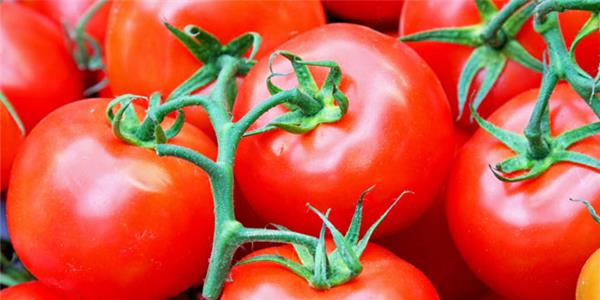
Tomatoes are not only delicious but also have considerable beauty and medicinal value. Tomatoes have anti-cancer and detoxifying effects. They are rich in vitamin A, vitamin B, and vitamin C, and are especially notable for their relatively high mineral content, such as iron, magnesium, and calcium, which is rare among other plant-based foods. Regularly eating tomatoes can nourish the blood, boost vitality, make the skin soft and radiant, and give the complexion a rosy glow. Nutritional value: per 100 g of the edible portion of tomato, there are 79.49 KJ of energy, 0.9 g of protein, 0.2 g of fat, 3.5 g of carbohydrates, 0.5 g of dietary fiber, 550 μg of carotene, 0.03 mg of vitamin B1, 0.03 mg of vitamin B2, 0.6 mg of niacin, 19 mg of vitamin C, 0.57 mg of vitamin E, 163 mg of potassium, 5 mg of sodium, 10 mg of calcium, 9 mg of magnesium, 0.4 mg of iron, 0.08 mg of manganese, 0.13 mg of zinc, 0.06 mg of copper, 23 mg of phosphorus, and 0.15 μg of selenium.
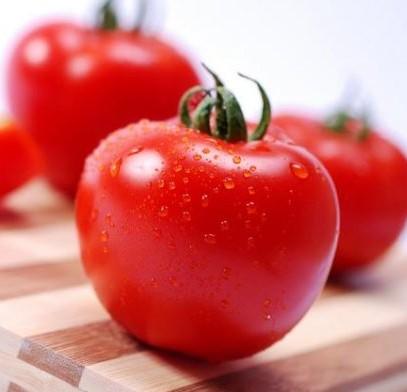
Tomatoes are sweet, sour, and slightly cold in nature, and enter the liver, spleen, and kidney meridians; they can beautify the skin, relieve fatigue, and stimulate appetite. Tomatoes contain lycopene, which can protect the cardiovascular system and has multiple functions such as antioxidant activity, inhibiting mutations, and reducing nucleic acid damage. Lycopene can remove free radicals, protect cells, and reduce the incidence of heart disease.
In addition to helping prevent prostate cancer, tomatoes can also reduce the incidence of pancreatic cancer, rectal cancer, laryngeal cancer, oral cancer, lung cancer, breast cancer, and other cancers. Tomatoes have the effects of strengthening the stomach and promoting digestion, cooling the blood and calming the liver, and lowering blood pressure, and they provide good supportive treatment for people with high blood pressure and kidney disease.
Tomatoes are rich in niacin, which can maintain normal secretion of gastric juice, promote the formation of red blood cells, and help maintain the elasticity of blood vessel walls and protect the skin. Tomatoes are juicy and can promote urination, which is also beneficial for people with nephritis.
Tomatoes are rich in carotene, vitamin C, B vitamins, and more. According to research by nutritionists, eating 50-100 g of fresh tomatoes per person per day can meet the body's needs for several vitamins and minerals. Tomatoes are rich in nutrients and have many functions, and are known as the magical fruit among vegetables.
The "tomato factor" contained in tomatoes has an antibacterial effect; the malic acid, citric acid, and carbohydrates in tomatoes aid digestion. The provitamin A that tomatoes are rich in is converted into vitamin A in the human body, and has excellent effects in promoting bone growth and preventing and treating rickets, xerophthalmia, night blindness, and certain skin diseases.

Benefits of Eating Tomatoes
Beauty and Anti-Aging
Regularly eating tomatoes can beautify the skin and prevent aging. Tomatoes have high nutritional value and can fully supply the nutrients our bodies need. Therefore, we suggest everyone eat more tomatoes. Besides eating them fresh or pairing them with other ingredients, we can also mash fresh ripe tomatoes, extract the juice, add a little white sugar, and use it as a face mask every day; this can make the skin delicate and smooth, and its beauty and anti-aging effects are also very good.
Cancer Prevention and Blood Pressure Reduction
There are many benefits to eating tomatoes, and cancer prevention is one of them. Because tomatoes have high nutritional value and very strong effects in inhibiting pathological changes and clearing heat and detoxifying, eating 1-2 fresh tomatoes raw every day can help prevent cancer and provide supportive treatment for cancer. You can also, according to your own dietary habits, cut tomatoes into pieces, add an appropriate amount of white sugar, and eat them; this can effectively lower blood pressure.
Treating Hepatitis
There are many benefits to eating tomatoes. We can mix tomatoes with half a tablespoon each of minced celery, minced carrot, and lard, then stir this into boiling japonica rice porridge until cooked through, add an appropriate amount of salt and MSG, and eat it; this is very effective for treating hepatitis. Therefore, we should eat tomatoes regularly in our daily lives, as this brings many benefits to our health.
Who Should Eat Tomatoes
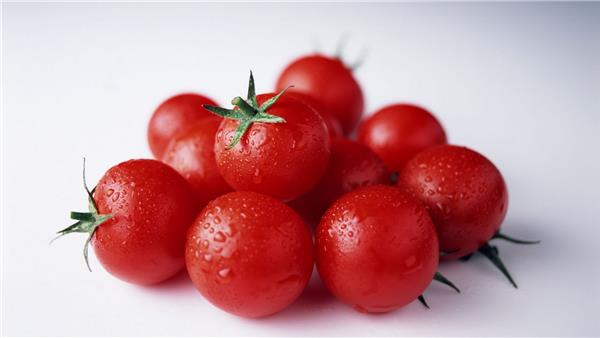
Tomatoes can generally be eaten by most people. They are suitable for people with hepatitis, fever with dry mouth, summer-heat polydipsia, high blood pressure, kidney disease, heart disease, fundal hemorrhage, cancer, vitamin C deficiency, niacin deficiency (pellagra), diabetes, habitual bleeding gums, and other conditions; people with poor cholesterol metabolism also benefit from eating them regularly.
Pregnant women, babies, postpartum women, and breastfeeding mothers can all eat tomatoes. Tomatoes are also suitable for people with fever from heat-type ☆disease☆, poor appetite, anemia, dizziness, palpitations, acute and chronic hepatitis, acute and chronic nephritis, night blindness, and nearsightedness; however, patients with acute enteritis, bacillary dysentery, and active-stage ulcers should not eat them, so as not to affect their health.
Pregnant women, babies, postpartum women, and breastfeeding mothers can all eat tomatoes. Tomatoes are also suitable for people with fever from heat-type ☆disease☆, poor appetite, anemia, dizziness, palpitations, acute and chronic hepatitis, acute and chronic nephritis, night blindness, and nearsightedness; however, patients with acute enteritis, bacillary dysentery, and active-stage ulcers should not eat them, so as not to affect their health.