What are the nutritional benefits of pears? A comprehensive analysis
Pears have been a fruit loved by the general public since ancient times, and they are very rich in nutrients. According to measurements, pears contain about 85% water, 6%-9.7% fructose, 1%-3.7% glucose, and 0.4%-2.6% sucrose. In every 100 grams of the edible portion, there are about 5 mg of calcium, 6 mg of phosphorus, 0.2 mg of iron, and 4 mg of vitamin C. In addition, pears also contain a certain amount of protein, fat, carotene, vitamin B1, B2, and malic acid. Pears taste sweet and slightly sour, are cool in nature, and non-toxic. They have the effects of "moistening the lungs and cooling the heart, reducing inflammation and clearing heat, and resolving sore toxins and alcohol toxicity." "Luo Shi Hui Yue Yi Jing" points out: pears "externally can disperse wind, internally can cleanse restlessness. Eaten raw, they clear the heat of the six bowels; eaten cooked, they nourish the yin of the five zang organs."

The effects of pears
Pear fruit: promotes body fluid production, moistens dryness, clears heat, and resolves phlegm. It is suitable for damage to body fluids from febrile disease with thirst, diabetes-like thirst, heat cough, phlegm-heat with mania and agitation, dysphagia, thirst with loss of voice, red swollen painful eyes, and indigestion.
Pear peel: clears the heart, moistens the lungs, reduces fire, promotes body fluid production, nourishes the kidneys, and tonifies yin. The roots, branches, leaves, and flowers can moisten the lungs, resolve phlegm, clear heat, and detoxify.
Pear seeds: contain lignin, which is an insoluble fiber that can dissolve in the intestines and form a gelatinous film that can bind with cholesterol in the intestines and be excreted. Pears contain boron, which can help prevent osteoporosis in women. When boron is sufficient, memory, attention, and mental acuity improve.
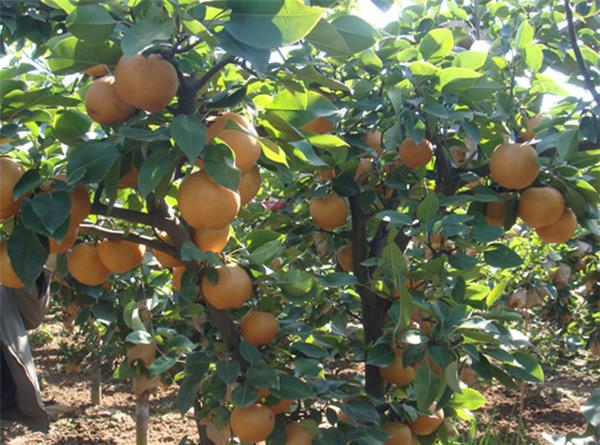
The effects and functions of pears
Pears taste sweet and slightly sour, are cool in nature, and enter the lung and stomach meridians; they have the effects of promoting body fluid production, moistening dryness, clearing heat, resolving phlegm, and sobering up from alcohol; they are used for dry cough, thirst, constipation, and other symptoms caused by damage to yin from febrile disease or yin deficiency, and can also be used for symptoms such as thirst, cough and asthma, and yellow phlegm caused by internal heat. In addition, cooked pears help the kidneys excrete uric acid and prevent gout, rheumatism, and arthritis.
1. Lower blood pressure: can protect the heart, reduce fatigue, enhance myocardial vitality, and lower blood pressure.
2. Clear the lungs and relieve cough: can resolve phlegm and relieve cough, and has a nourishing effect on the throat.
3. Stimulate appetite and protect the liver: increases appetite and has a protective effect on the liver.
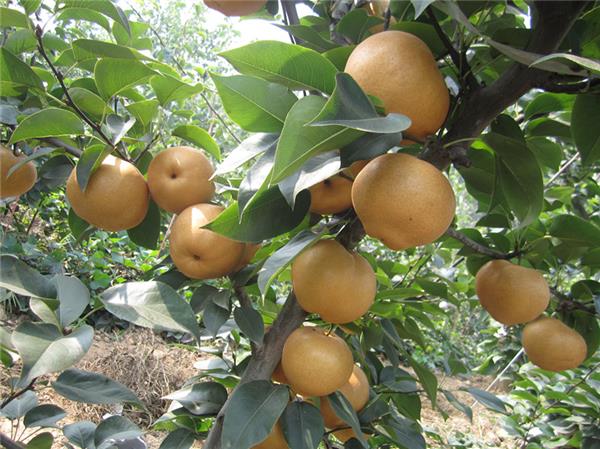
4. Prevent and fight cancer: prevents atherosclerosis and inhibits the formation of the carcinogen nitrosamine, thereby preventing and fighting cancer.
5. Promote urination and bowel movements: pears have a very high pectin content, which helps digestion and promotes bowel movements.
Pear fruit: promotes body fluid production, moistens dryness, clears heat, and resolves phlegm. It is suitable for damage to body fluids from febrile disease with thirst, diabetes-like thirst, heat cough, phlegm-heat with mania and agitation, dysphagia, thirst with loss of voice, red swollen painful eyes, and indigestion.
Pear peel: clears the heart, moistens the lungs, reduces fire, promotes body fluid production, nourishes the kidneys, and tonifies yin. The roots, branches, leaves, and flowers can moisten the lungs, resolve phlegm, clear heat, and detoxify.
Pear seeds: contain lignin, which is an insoluble fiber that can dissolve in the intestines and form a gelatinous film that can bind with cholesterol in the intestines and be excreted. Pears contain boron, which can help prevent osteoporosis in women. When boron is sufficient, memory, attention, and mental acuity improve.
Pear wood is fine-grained and moderately soft and hard, and is a raw material for carving seals and making high-grade furniture.
Who pears are suitable for
In general, pregnant women and breastfeeding mothers can eat pears, but they should not eat too many pears. One a day is enough, and it is not advisable to eat pears just taken out of the refrigerator. This is because pears are somewhat cool in nature and promote dampness, and eating too many can harm the spleen and stomach. Pears contain a high amount of sugar, so pregnant women with gestational diabetes during pregnancy should eat pears with caution.
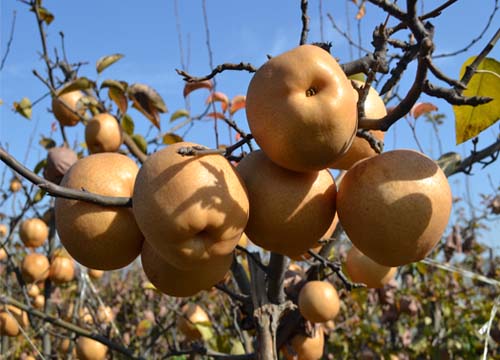
Babies can drink pear juice and eat pear puree from the fourth month. Some babies will have mild diarrhea when eating pears, so in addition to adding only a small amount the first time, you should also observe the baby's reaction after eating pears.
Suitable groups: generally everyone can eat them. They are especially suitable for patients with hepatitis, cirrhosis, and poor kidney function.
1. Especially suitable for people with cough and thick phlegm or no phlegm, itchy and dry sore throat, patients with chronic bronchitis and pulmonary tuberculosis, patients with hypertension, heart disease, hepatitis, and cirrhosis, and people after drinking alcohol or with an unrelieved hangover;
2. People with chronic enteritis, cold stomach disease, and diabetes should avoid eating raw pears.