Key Cultivation Techniques and Management Methods for Late-Autumn Yellow Pear
Fruit has become an indispensable part of our lives. People cannot do without it on all kinds of occasions, and its value is very high. We can eat it after meals or during leisure time, and it is very helpful to our lives, so people's demand for fruit is very great. But nowadays many fruits are getting bigger and more refined, because a lot of chemicals have been applied to them, which is harmful to people's health to a certain extent. When conditions allow in life, we should eat fruit we grow ourselves as much as possible, as this is more conducive to the growth of a healthy life. Late-autumn yellow pear is one kind of fruit and is welcomed by very many people. Below, let us take a look at how much late-autumn yellow pear seedlings cost, and at an introduction to the cultivation techniques and methods for late-autumn yellow pear.
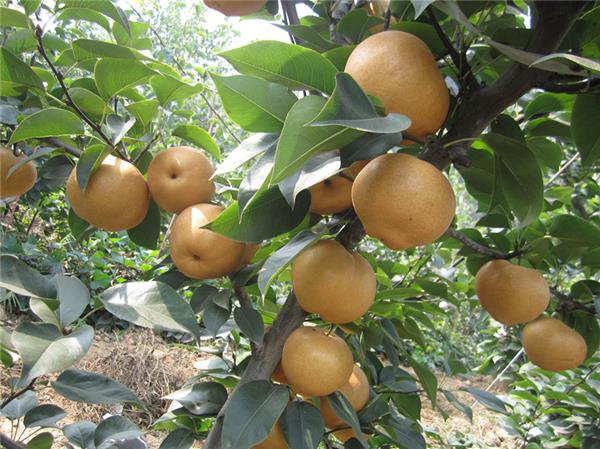
Cultivation Techniques for Late-Autumn Yellow Pear
Late-autumn yellow pear saplings are easy to manage and self-pollinating. The flowering period is April 12-14, with no need for manual collection of pollen for cross-pollination, and the picking period is around October 5. It has strong disease resistance, requiring only 5-6 sprays of low-toxicity biological pesticides each year. "Two once": pruning only once a year, and training/bending branches only once in its lifetime.
Planting Methods and Sequence
a. When planting on ordinary flat soil, place the sapling's roots in the planting hole after filling half the hole with topsoil, then cover with a small amount of soil, lift it upward slightly by 5-10 cm, then cover with soil, tread it firm, and water thoroughly. After the water seeps away, cover with soil. After covering with soil, generally the graft union should be level with the ground; where the graft union is high, it should be about 3 cm above the ground. This point should be handled flexibly according to the height of the graft union.
b. On hillside land, sandy loam that does not easily retain water, or plots at or short of a water source, you may sprinkle a spoonful of water-retaining agent into the planting hole when planting.
c. When planting on low-lying land or land prone to waterlogging, dig shallow and plant shallow, and cover more soil around the roots.
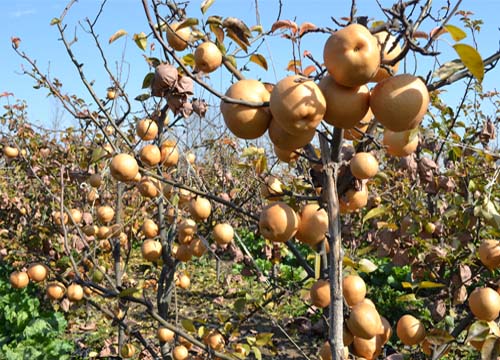
Purpose and Requirements of Trunk Heading (Dinggan)
a. After planting and covering with soil, cut off the trunk 40 cm above the ground, and dab the cut with paint to prevent air-drying. After that, you must also build the watering furrows along the rows. Where planting in wheat fields, you must hoe out the 3-4 rows of wheat seedlings in the tree row and build the furrows properly, to make watering during drought and ventilation and light penetration easier; otherwise, the saplings will die because they cannot be watered.
b. If there is no rain for about 20 days after the saplings are planted, water once. During this period, water must not be lacking, so as not to affect survival.
Purpose and requirements of trunk heading for late-autumn yellow pear saplings:
(1) After planting and covering with soil, cut off the trunk 40 cm above the ground, and dab the cut with paint to prevent air-drying. After that, you must also build the watering furrows along the rows. Where planting in wheat fields, you must hoe out the 3-4 rows of wheat seedlings in the tree row and build the furrows properly, to make watering during drought and ventilation and light penetration easier; otherwise, the saplings will die because they cannot be watered.
(2) If there is no rain for about 20 days after the saplings are planted, water once. During this period, water must not be lacking, so as not to affect survival.
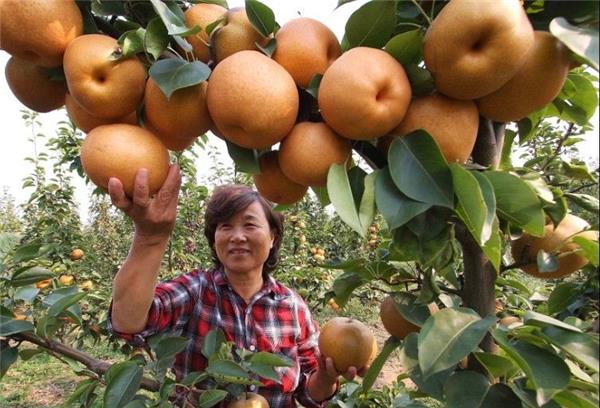
Intercropping and Facilities in Orchards:
Intercropping is the main source of income in the first two years of an orchard. Improper intercropping crops will directly affect farmers' economic income and the growth of the fruit trees. Generally speaking, tall crops such as corn and cotton should not be intercropped in orchards; the most suitable are garlic, vegetables, peanuts, melons, peas, or low-growing Chinese medicinal herbs, etc.
Management and Requirements After Planting Late-Autumn Yellow Pear Saplings in the Same Year:
1. Apply plastic film mulching: it can keep warmth and moisture, and also promote root development of the seedlings and increase the survival rate.
2. Build the furrows well: first you must build the watering furrows well; when there is no rain, water once every 20 days.
3. Ensure survival in time: after the new buds of the late-autumn yellow pear saplings emerge in April, for some saplings that do not sprout or send out shoots, spray pesticide and water the roots in time until they survive. If not handled in time, missing the best period will cause the saplings to develop diseased plants or die.
4. Water at the right time: for late-autumn yellow pear saplings, from planting until the wheat harvest, according to weather conditions, when there is no rain or no heavy rain, it is best to water at least 3-4 times. Before June, if the saplings lack water, first, it affects fruit set; second, few shoots are sent out or no new shoots are sent out; third, the branches are short and growth is slow or does not occur.
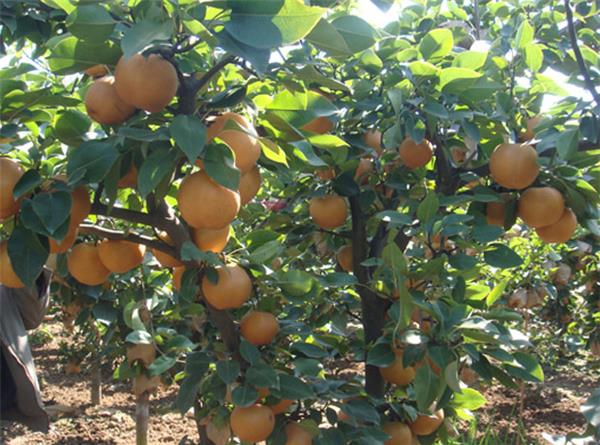
Note: Intercropping is the main source of income in the first two years of an orchard. Improper intercropping crops will directly affect farmers' economic income and the growth of the fruit trees. Generally speaking, tall crops such as corn and cotton should not be intercropped in orchards; the most suitable are garlic, vegetables, peanuts, melons, peas, or low-growing Chinese medicinal herbs, etc.
Improper intercropping crops will directly affect farmers' economic income and the growth of the fruit trees. Generally speaking, tall crops such as corn and cotton should not be intercropped in orchards; the most suitable are garlic, vegetables, peanuts, melons, peas, or low-growing Chinese medicinal herbs, etc.