What are the effects and uses of datura flowers?
Most people know about datura flowers mainly for their mystery and religious associations, but few probably know what effects datura flowers have! Compared with those illusory legends about datura flowers, the effects of datura flowers seem much more substantial, and this gives them a touch of closeness with people. Next, let us learn together about what effects datura flowers have, and their contraindications for use!
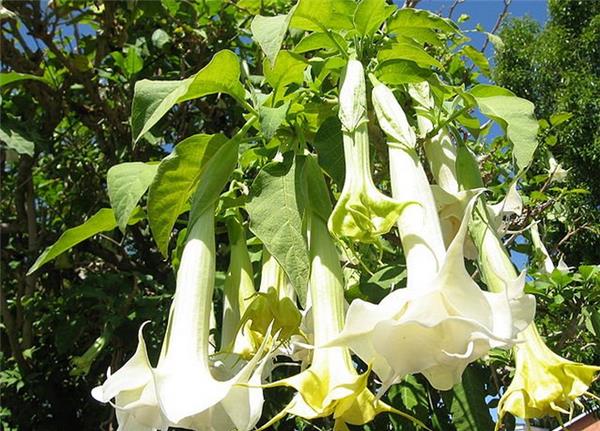
I. Effects of datura flowers
Medicinal value of datura flowers
Although datura flowers are highly toxic, they can not only be used for anesthesia, but can also treat diseases in hospitals. If a small amount of the flower is combined with medication, it can play a role in treating rheumatism; combined with warm-natured medicines, it can address cold asthma and hidden yin-type ailments. The flower can act to numb nerves, be used to treat neuropathic pain, and also serve as an ingredient in sedatives. However, datura is designated by the state as a prescription drug, so it still needs to be used with caution.
First aid methods for datura poisoning
Gastric lavage or enema can be performed, rinsing the stomach to reduce toxicity. Then a certain antidote injection is given. Part of the toxin is a component called hyoscyamine, so anti-hyoscyamine medication should be injected, and it can be injected multiple times, along with oxygen supply. When there is fever, ice bags can be used to cool down, or alcohol can be rubbed on the body to absorb heat. During the recovery period, Chinese herbal medicine can be used to neutralize the toxicity of datura flowers. This is mainly divided into four parts: first, gastric lavage and inducing vomiting; second, intravenous injection; then, assisted by antidotes; finally, conditioning as appropriate according to the situation.
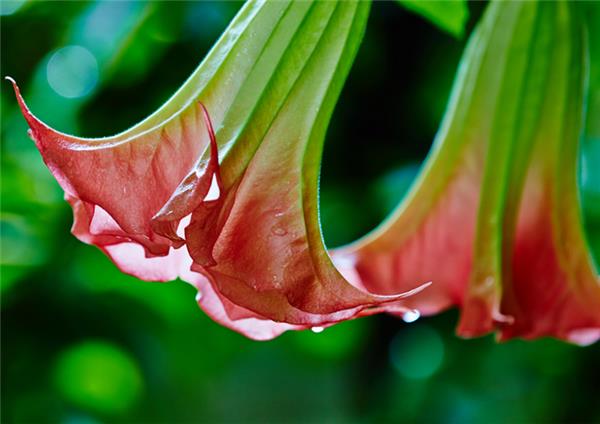
II. Is the datura flower toxic?
1. Datura is toxic. Relatively speaking, this plant is still quite toxic, and in severe cases it may lead to death, so it definitely cannot be brewed as tea. If you want to keep potted plants or plants, it is recommended to buy some that are non-toxic, easier to grow, and ornamental.
2. Datura is also called yangjinhua, large trumpet flower, mountain eggplant, etc. It mostly grows wild in fields, beside ditches, along roadsides, on riverbanks, on hillsides, and other places. Its entire plant is toxic. The main toxic component of datura is hyoscyamine. After accidental ingestion, the incubation period for poisoning is 20 minutes to 3 hours, generally around 1 hour. The initial symptoms are thirst and dry tongue, hoarse voice, dry skin, and facial flushing, followed by dilated pupils, blurred vision, double vision, hallucinations, and dizziness. In severe cases, there is increased heart rate, restlessness, inability to control one's behavior, manic speech and conduct, unpredictable crying and laughing, incoherent speech, and answers that do not match the questions. Some patients experience delirium, convulsions, seizures, and coma, and may die from respiratory failure.
III. Contraindications for using datura flowers
After learning about what effects datura flowers have, are you impressed by the effects of this flower? But please do not rush to close the webpage, because although datura flowers have all sorts of miraculous effects, since datura flowers are a highly toxic substance, there are many contraindications when using them. The highly toxic nature of datura flowers is shown in the fact that almost the entire plant is toxic, especially the seeds and tender leaves of datura flowers, which are the most toxic. After accidentally taking datura flowers, nervous system excitement appears in about 1 hour, with physical manifestations such as headache, dizziness, sore throat, rapid heartbeat, auditory hallucinations, and twitching. If not treated in time, these symptoms will deepen, and in severe cases coma, shock, or death may occur in about 24 hours. For this reason, the sale of datura flowers is restricted, and they can only be used under fixed-point control by doctor's prescription.
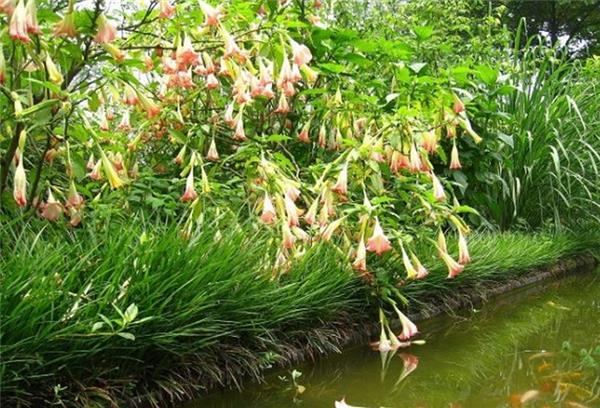
Now everyone understands what effects and contraindications datura flowers have, right! I wonder whether everyone will hold a love-and-fear attitude toward this mysterious flower, datura? Do you also think that learning about these substantial effects of datura flowers is quite an interesting thing?