How to get rid of aphids? An introduction to aphid control methods
Compared with large-scale plant cultivation, aphids on household flowers are relatively easier to control, because the home itself is the place where we live, so in household aphid control, we should mainly adopt green and environmentally friendly methods to control aphids.
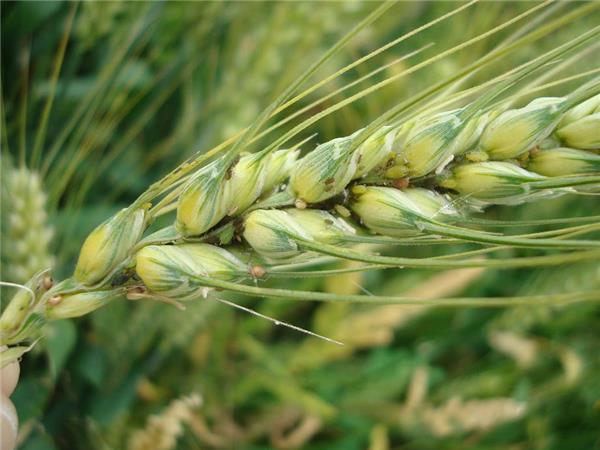
I. Main aphid species
Green peach aphid: also called peach wing aphid, cabbage aphid, etc. It can damage green peach aphids and can transmit at least 103 plant viruses.
Cotton aphid: also called melon aphid. It can damage seedlings of tree peony, Salvia splendens, Cucurbitaceae flowers, chrysanthemum, hollyhock, cockscomb, cineraria, orchid, canna, primrose, tulip, lily, carnation, cyclamen, hibiscus, rose, Chinese hibiscus, redbud, etc. Cotton aphid can transmit at least 46 plant viruses.
Lotus aphid: can damage seedlings (nursery stock) of lotus, water lily, plum blossom, peach blossom, etc.
Chrysanthemum aphid: also called chrysanthemum small long-tube aphid. It can damage seedlings of chrysanthemum, wild chrysanthemum and other Chrysanthemum species. It can transmit at least more than 5 plant viruses.
Rose long-tube aphid: can damage nursery stock of rose, Rosa multiflora and other Rosa plants.
Apple aphid: can damage nursery stock of peach blossom, Chaenomeles speciosa, hawthorn, etc.
Peach leaf-curling aphid: damages nursery stock of flowering almond, plum blossom, peach blossom, cherry blossom, etc.
Mealy peach aphid: also called peach mealy aphid, peach powdery green aphid. It can damage peach blossom, flowering almond, etc. It can transmit at least more than 3 plant viruses.
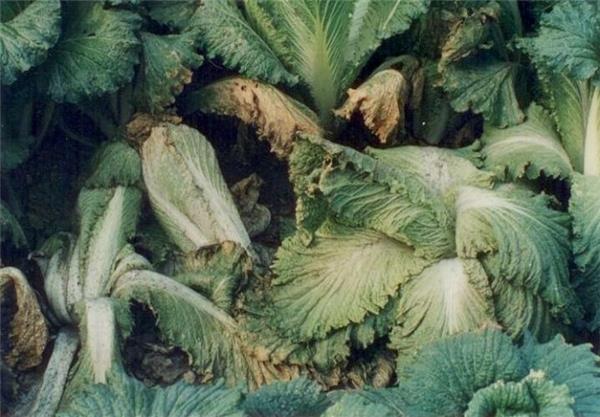
II. Aphid control methods in autumn
1. In combination with plant pruning, cut off branches with insect eggs to eliminate the source of the insects.
2. Before overwintering is the peak period for aphids to lay eggs, so pesticide spraying can be used for control. For example, use 1.2% nicotine-lime emulsion 800 to 1000 times dilution, or 6% imidacloprid emulsifiable concentrate 3000 to 4000 times dilution, or 5% acetamiprid emulsifiable concentrate 5000 to 6000 times dilution, or 50% phoxim emulsifiable concentrate 800 to 1000 times dilution, or 2.5% deltamethrin 2500 to 3000 times dilution, etc. for foliar spraying, and pay attention to safety when spraying. Omethoate is also a good pesticide for controlling aphids, but omethoate may cause phytotoxicity to Rosaceae plants such as peach blossom, flowering almond, and Chaenomeles speciosa, so special attention should be paid when using it on garden plants, and it is best not to use it.
3. Pay attention to protecting and utilizing various natural enemies, such as the seven-spot ladybird, hoverflies, lacewings and other natural enemies, which are also effective control methods. Do not use broad-spectrum pesticides during the peak hatching period of natural enemies.
4. Use 100 grams of 3% carbofuran granules per square meter for control, or apply directly to the root zone of flowering shrubs, which can also effectively control aphids.
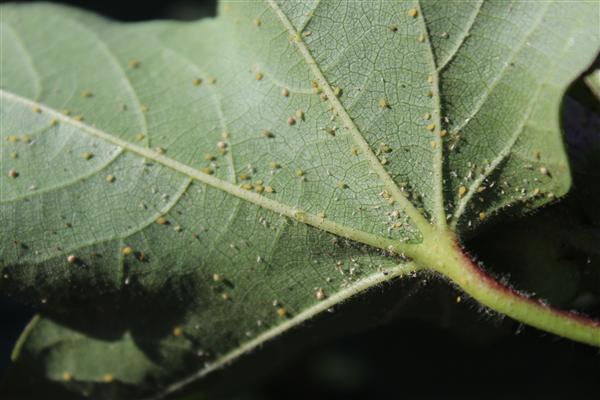
III. Aphid control on potted flowers
1. Chive insect control method: take 1 kg of fresh chives, add a small amount of water, mash them, then squeeze out the chive juice, add 6 kg of water to each kg of the original juice, and spray. At the same time, it can also control flower powdery mildew.
2. Garlic preparation method: take 1 kg of fresh garlic, add an appropriate amount of water and mash it into garlic paste, squeeze out the garlic juice, then add 10 kg of water to 1 kg of garlic original juice, and spray; it has a fairly good control effect on flower aphids.
3. Castor leaf soaking method: take 1 kg of fresh castor leaves, add 2 kg of water, soak for 24 hours, then boil for 10 minutes, take the filtrate, add 2 times the amount of water, and spray; spraying 2-3 times in succession can effectively control aphid damage.
4. Tobacco insect control method: use 1 kg of dried tobacco leaves, add 20 kg of water, soak for 24 hours, filter, and spray. You can also cut tobacco stems into pieces, add water, soak for 48 hours, filter, and spray. It has a fairly good killing effect on flower aphids.
5. Willow leaf control method: take fresh willow leaves, add an appropriate amount of water, fully mash them, add 3 times the amount of water and soak for 48 hours or boil for 30 minutes, filter, and spray; it has a control effect on flower aphids.
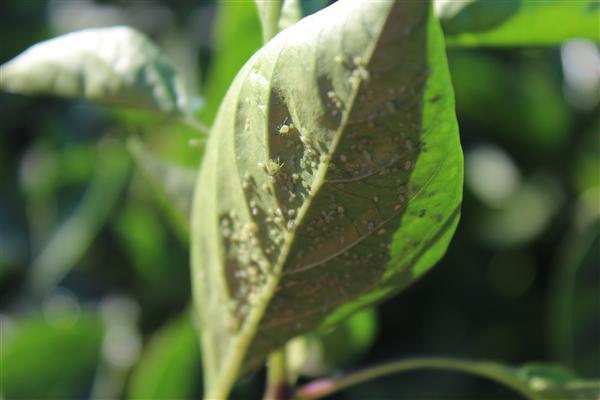
In addition, there are many other ways to control aphids, such as using vinegar, etc. Everyone can choose the method they consider most convenient to control aphids.