Detailed Explanation of Turf Planting Methods and Management Techniques
Although laying turf requires a relatively high level of technical skill, turf itself is an excellent plant for greening courtyards and for windbreak and sand fixation, so it is worthwhile to learn a little about turf planting in case the need arises.
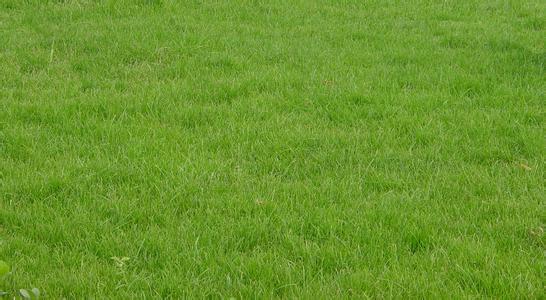
I. How to Plant and Manage Turf
Choosing Good Varieties:
1. Kentucky bluegrass (Poa pratensis): highly adaptable, moisture-loving, drought-tolerant, strong regenerative capacity, tolerant of pruning, and highly competitive.
2. Red fescue (Festuca rubra): drought-tolerant, highly cold-resistant, with particularly well-developed fibrous roots, and tolerant of pruning.
3. Quackgrass (Elymus repens): lush stems and leaves, strong regenerative capacity, cold- and drought-tolerant, tolerant of trampling and pruning, not demanding about soil, and extremely vigorous.
Timely watering: within 7 days after sowing or laying, turf generally needs watering twice a day; from 7 to 15 days, water once a day; after 15 days, water as needed depending on the degree of water shortage. Water thoroughly and maintain a certain level of moisture. In summer, watering should be done in the morning and evening. For turf that has been growing for a longer time, it is best to water once before sprouting in spring each year to promote green-up, and to water thoroughly before the ground freezes in autumn; during the lawn growing season, water regularly during dry spells as well.
Maintenance: protecting turf from trampling is an extremely important part of turf management. Even trampling-tolerant grass species cannot withstand it over the long term, so hedges should be planted or railings installed to protect it.
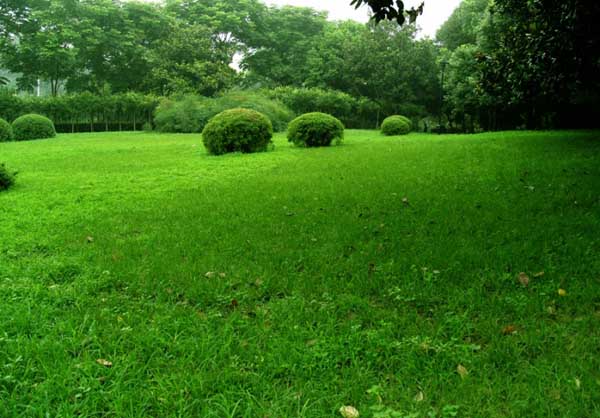
II. How to Lay Turf
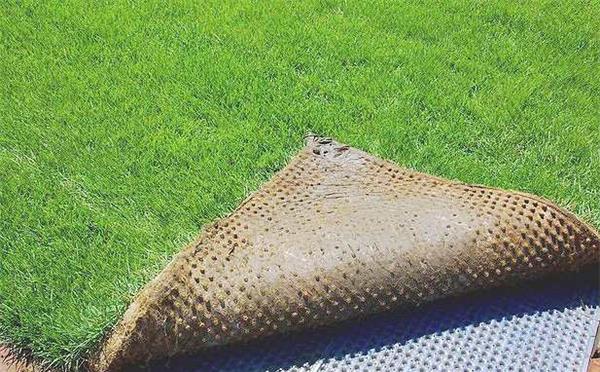
1. Although laying turf is an expensive method of lawn establishment, it can produce an "instant lawn" at any time of the year. Although it still takes several weeks or months before a newly laid lawn can withstand foot traffic or recreational use, laid turf does provide the appearance of an established lawn. For this reason, it is often used when site preparation is poor and other establishment methods cannot achieve satisfactory results.
2. The seedbed for laying turf must also be prepared, otherwise it will cause trouble for later lawn management. When laying turf, the ideal seedbed should be moist but not wet. If it is too dry, especially under high temperatures, the roots of the laid turf will be damaged even if it is watered immediately after laying. The turf laid should be as thin as possible to facilitate rapid rooting. Handle turf carefully when moving it, and do not tear or overstretch it.
3. Laying turf by hand or by machine are both viable methods. When laying, the turf pieces should be adjusted so that the joints where adjacent pieces meet are staggered, in order to minimize cracks caused by shrinkage.
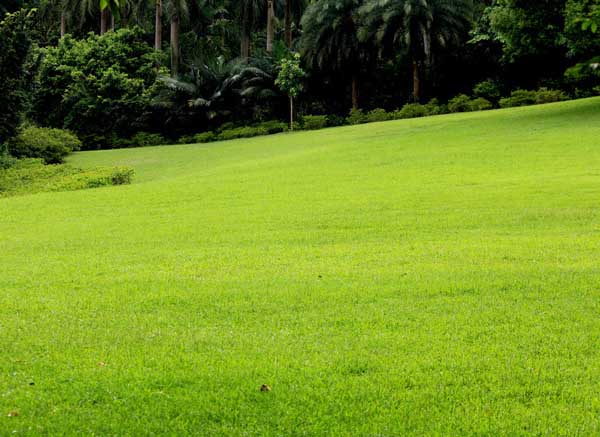
III. Three Standards for Turf Mowing Height
1. Some varieties of creeping turf grasses can tolerate a mowing height of 0.5 cm or even lower. Tall fescue, however, requires a mowing height above 2.5 cm, so tall fescue cannot be used to establish lawns that require low mowing to function. The suitable mowing height for most lawns is 3-4 cm.
2. The turf height on football fields should be such that it does not hinder ball bounce or players' running, and the usual mowing height is 2-3 cm. Ordinary landscaping turf needs to take into account both the beauty of the lawn and its resistance and maintenance costs, so its mowing height is generally 4-8 cm. The main function of soil and water conservation turf is to stabilize soil and protect slopes and prevent soil erosion, and its mowing height can reach more than 10 cm; some are mowed only 1-2 times a year or not at all.
3. When turf breaks dormancy and greens up, the mowing height can be appropriately lowered to remove some dead tissue so that sunlight reaches the new growth and soil directly, promoting faster green-up and growth. This situation is more suitable for what is commonly called green grass on the market, that is, dwarf Bermuda oversown with ryegrass. During green-up, we should carry out low mowing to help it green up and grow as quickly as possible.
That is all for the introduction to turf planting and maintenance. In fact, the difficult parts of turf planting are mowing and laying, but many people abroad also maintain their own turf, so it is very useful to learn a little about turf planting.