Detailed Explanation of the Medicinal Value and Cultivation Methods of Dianthus
Dianthus was originally a plant that mostly grew in the wild. Because it has both ornamental value and medicinal value, in recent years it has also often been used for indoor pot cultivation, and can play a role in beautifying the home.
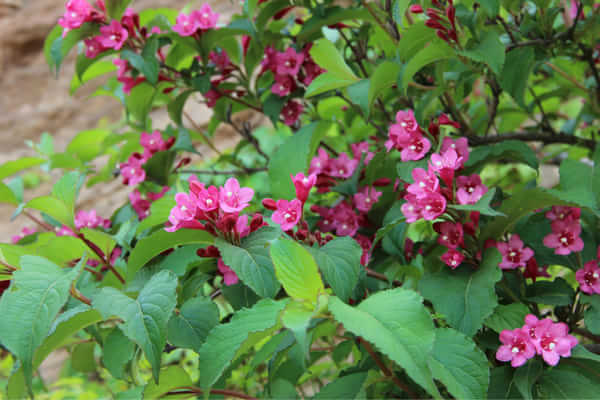
I. Medicinal Value of Dianthus
Nature, flavor, and meridian entry: bitter, cold. Enters the Heart and Small Intestine meridians.
Chemical composition: the whole plant contains saponins and volatile oil. The oil mainly consists of eugenol, phenylethyl alcohol, benzyl benzoate, benzyl salicylate, and methyl salicylate.
Efficacy and indications: Dianthus has effects such as clearing heat and promoting diuresis, activating blood, and unblocking meridians. It can be used to treat urethritis, cystitis, nephritis, high blood pressure, amenorrhea, irregular menstruation, pharyngitis, diarrhea, edema, joint stiffness, venomous snake bites, sores, boils, carbuncles, and swelling, and to stimulate the intestines. "Bencao Beiyao" says: "It lowers heart fire, benefits the small intestine, and expels pathogenic heat from the bladder; it is an essential medicine for treating strangury."
1. Dianthus for treating heat strangury, blood strangury, stone strangury, and painful, dribbling urination: combine with Polygonum aviculare, Lygodium japonicum, etc., or with Akebia quinata, talc, etc.
2. Dianthus has the effects of clearing heat and promoting diuresis, breaking blood stasis and unblocking blood, and activating blood to resolve stasis.
3. Blood stasis amenorrhea: Dianthus combined with Salvia miltiorrhiza, Radix Paeoniae Rubra, Leonurus japonicus, etc.
4. Eczema with itching: decoct a single herb and wash externally.
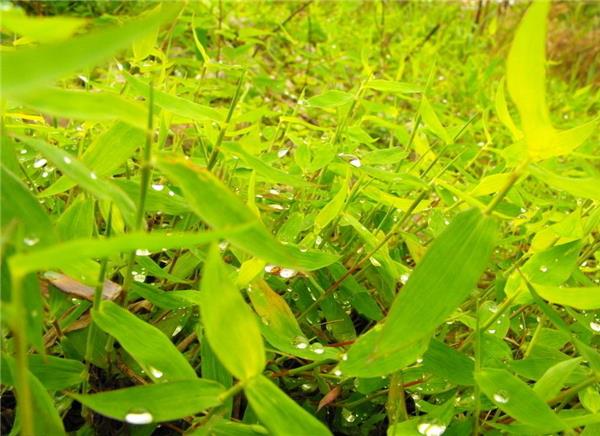
II. Cultivation Methods of Dianthus
1. Soil: it requires well-drained, humus-rich, clayey soil with good fertilizer retention that is slightly alkaline. A culture soil mixed with 6 parts garden soil, 2 parts compost, and 2 parts sandy soil can be used.
2. Watering: Dianthus grows vigorously and is relatively drought-tolerant. In rainy and overly wet areas, the soil easily becomes compacted, and the root system develops abnormally due to poor ventilation, so during the rainy season pay attention to loosening the soil and draining water. Aside from timely watering during the peak growing and flowering season, at ordinary times water less, just enough to keep the soil moist.
3. Temperature: the suitable temperature for Dianthus growth is 15-20°C. In winter it should be placed in a greenhouse, with the temperature kept above 12°C. The air humidity is best kept at around 75%. Appropriately spraying water before flowering to adjust humidity can prevent the buds from splitting open early.
4. Fertilizing: Dianthus likes fertilizer. Before planting, apply sufficient baked fertilizer and bone meal. During the growing period, continue to apply liquid fertilizer as a top dressing, generally once every 10 days or so with decomposed, diluted fertilizer water, and apply one top dressing after flower harvesting.
5. Light: ensure 6-8 hours of light every day. In midsummer, Dianthus is in a semi-dormant state, and at this time care should be taken to avoid scorching sunlight. The potting soil must not be waterlogged, otherwise the roots easily rot.
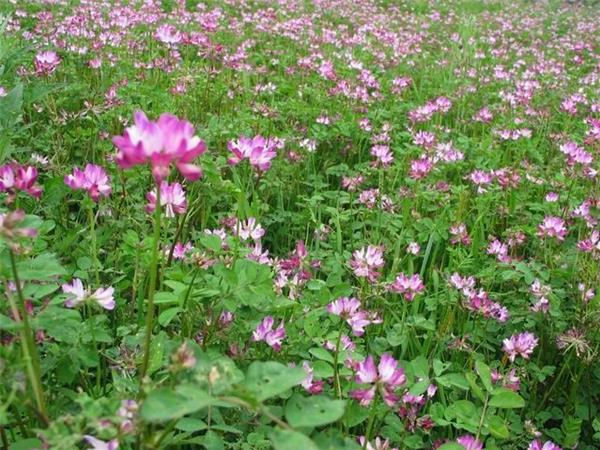
6. Pests and diseases: the main disease of Dianthus is brown spot, which easily occurs under rainy and humid climatic conditions and often damages the leaves, stems, and flower stalks of Dianthus. On infected leaves, small purplish-red spots first appear, then gradually expand into grayish-white raised areas, with the outer edge showing a pale green water-soaked halo, and they connect with each other into irregular large patches. After the flower stalks are infected, the flowers wither early. Control methods: ① promptly remove and burn the remains of infected plants. ② at the beginning of the disease, spray 1000-fold dilution of 50% carbendazim wettable powder, or 0.5% Bordeaux mixture, or spray 800-fold dilution of 75% chlorothalonil wettable powder.
7. Propagation: the main propagation method is seed propagation, mostly sown in autumn in mid-to-late August, and the seedlings grow robustly and bloom abundantly. Spring sowing is generally from late March to early April. They germinate in 7-10 days, but their growth is not as good as autumn-sown seedlings. Dianthus can also be propagated by cuttings, generally carried out in late spring to early summer or in autumn from October to November. The method is to select growing branches without flower buds, cut them into 5-8 cm cuttings, remove the basal leaves, keep 2-4 upper leaves, insert them into river sand, water and maintain them, and after about [time] they can take root and survive.
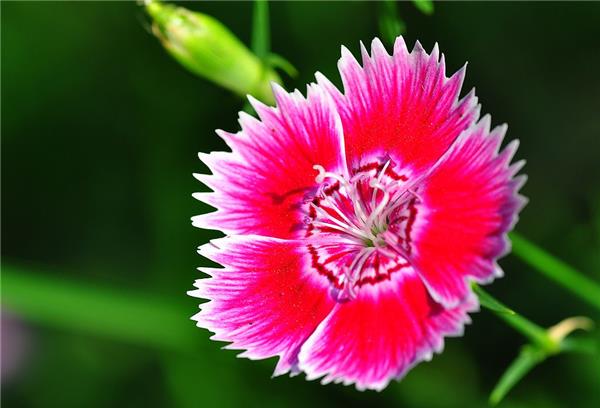
Overall, Dianthus is relatively easy to cultivate. Its flower shape is unique and its flower colors are rich and varied, making it a good choice for embellishing home life.