How to prevent leaf drop in Rhododendron simsii? Remember eight precautions
Many friends have encountered phenomena such as leaf drop while growing Rhododendron simsii. Below we introduce the eight main precautions for preventing leaf drop in Rhododendron simsii.
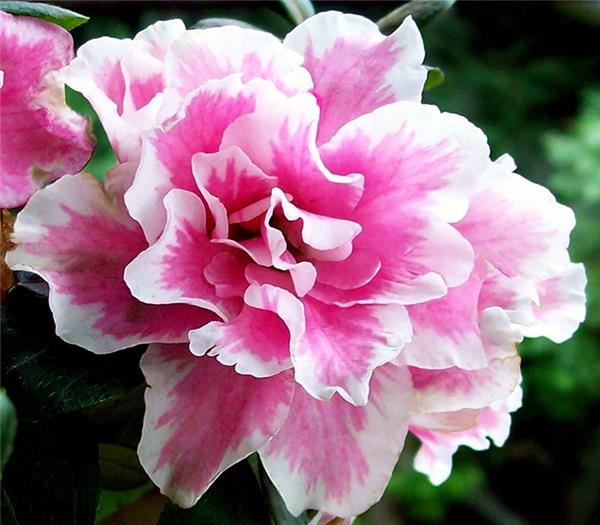
1. Southern flowers such as Rhododendron simsii mostly prefer acidic soil. If soil with too high alkalinity is used for cultivation over a long period, it will cause leaf tips to dry, leaves to turn yellow, and even death. Leaf mold soil, pine needle soil, peat soil, or ferrous sulfate, sulfur powder, etc. can be used to improve the soil, all with fairly good results.
2. Pay attention to ventilation. Potted Rhododendron simsii should be placed outdoors in circulating air or in a well-ventilated balcony, windowsill, terrace, etc., or placed in a patio, courtyard, or other ventilated high place. Never place it in a stuffy, unventilated place, and even more so do not place it indoors or on an enclosed balcony. Otherwise the plant will turn yellow and drop its leaves, and may even die.
3. Pay attention to appropriate shading. Rhododendron simsii needs sunlight or scattered light, but should avoid exposure to scorching sun above 35°C, and pay attention to appropriate shading around noon.
4. Water quality. Groundwater in most northern regions contains a relatively high amount of salt and alkali, so it is best to use rainwater or snow water for watering flowers. If river water or well water is used, 0.2% ferrous sulfate needs to be added to the water to improve the water quality. Alkaline water cannot be used to water flowers, otherwise Rhododendron simsii will suffer from chlorosis due to alkalinization of the potting soil and iron deficiency, and this will cause leaf drop. If tap water is used, it needs to be stored for one day before use. The water temperature should be close to the soil temperature.
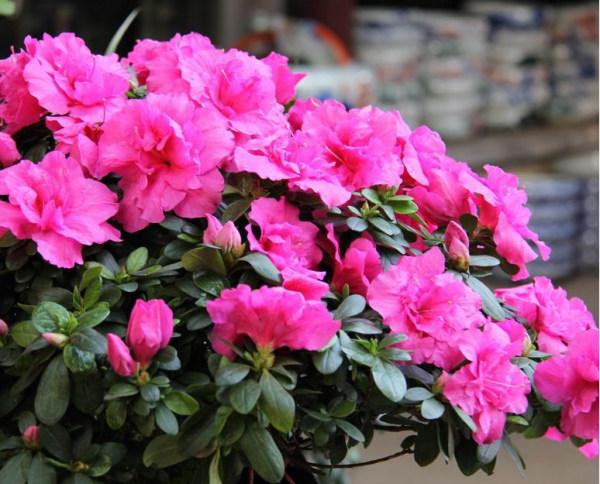
5. Water correctly. Watering is a regular maintenance task. The roots of Rhododendron simsii are extremely fine; they fear waterlogging and cannot tolerate drought, so improper watering can very easily cause the plant's leaves to drop. Watering must be carried out according to the season, weather changes, and the needs of the plant at different growth and development stages. Generally, during the winter dormant period, water once every 3-5 days; in spring, when the plant grows vigorously, the weather is hot, and evaporation is high, water should be added whenever the potting soil becomes dry, and water should also be sprayed frequently on the ground and plant leaves to help lower the temperature; in autumn, when the weather is clear, the potting soil should also be kept moist frequently, and after the temperature drops, watering can be reduced as appropriate.
6. Temperature and cold protection. Most southern flowers prefer warmth and fear cold. During the growth period, low temperatures below 0°C can easily cause damage, so generally flowers should be moved indoors for care before Frost's Descent. The indoor temperature in winter should be treated differently according to the warmth preferences of different flowers. For flowers that prefer high temperatures, such as Milan, poinsettia, gloxinia, and bamboo begonia, it should not be lower than 12°C; for those that prefer moderate temperatures, such as white orchid, jasmine, and Chinese hibiscus, it should not be lower than 5°C. For those relatively tolerant of low temperatures, such as osmanthus, kumquat, and bitter orange, it should not be lower than 0°C. In spring, they should not be moved outdoors too early, so as to avoid harm from late frost and cold wind.
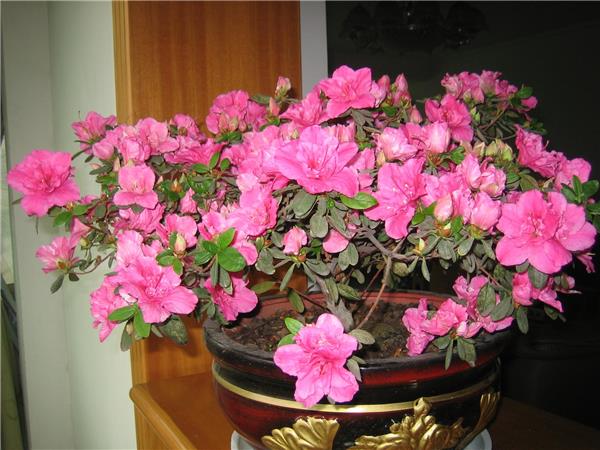
7. Fertilize reasonably. Fertilization should be mainly with decomposed organic fertilizer, supplemented by chemical fertilizer. During the growing season, apply a dilute cake fertilizer solution once every 7-10 days. During the bud stage, spray a 0.2% potassium dihydrogen phosphate solution twice, and the flower colors will be vivid and the flowering period long-lasting. Fertilization should be stopped in summer, winter, and during the flowering period. But avoid applying concentrated fertilizer and raw fertilizer that has not been fermented and decomposed. After the flowers fade, promptly apply liquid fertilizer mainly based on phosphorus and potassium fertilizer twice to promote robust plant growth, and at the same time it also helps flower bud differentiation.
8. Prune correctly: for 2-4 year old plants, use pinching to promote branching; vigorous shoots can be pinched several times, and weak branches and horizontal branches should be cut off, retaining the leaves of the outward-facing buds on the lower part; for formed plants, only thin out and prune untidy branches, and weak branches and diseased branches should be cut off at any time; heavy pruning should not be done. New buds of rhododendron mostly appear at the tips of branches, and the sprouting rate of branches from the previous year is extremely low, so heavily pruned plants will not sprout for a long time. The room temperature can be adjusted to 10-20 degrees, the air humidity to 60-80%, the potting soil kept moist but not wet, and water can be sprayed frequently on the growing ground and branches or a fine water spray can be used, and some sprouting can still be expected, but the sprouting rate will not be very high, and within 2-3 years the plant shape will not be very good either.
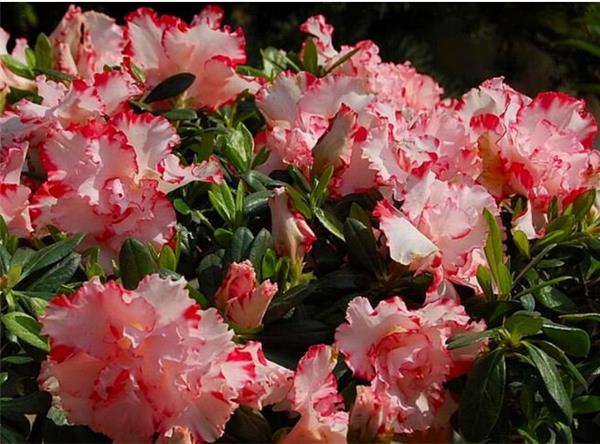
Alright, that is all for the introduction on how to prevent and control leaf drop in Rhododendron simsii. Generally speaking, as long as the eight precautions above are noted, especially the aspects of soil, fertilizer, water, and light, Rhododendron simsii will not experience leaf drop, and will instead be beautiful and healthy.