What are the harmful effects of drinking water infused with goji berries?
When it comes to goji berries, many people are very fond of them, especially those who use their eyes a lot, who particularly like to drink water infused with goji berries, as it helps relieve eye fatigue. Everyone knows the benefits of goji berries, but few people understand their drawbacks, so what are the harmful effects of drinking water infused with goji berries? Let us take a comprehensive look at goji berries together.
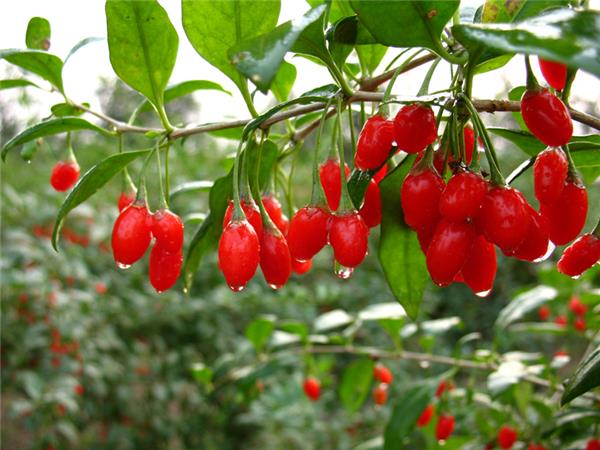
The harmful effects of drinking water infused with goji berries
Generally speaking, a healthy adult should eat about 20 grams of goji berries per day; if you want to achieve a therapeutic effect, you can eat about 30 grams per day. When selecting goji berries, choose those that are large, red in color, thick-fleshed, soft and moist in texture, sweet without bitterness, sticky to the teeth when chewed, and can dye saliva red-yellow; these goji berries are of the best quality.
But after all, it is a type of food and medicine dual-use item, and not everyone is suited to consume it. Because its effect of warming the body is quite strong, people who are currently suffering from a cold or fever, have inflammation in the body, or have diarrhea had best not eat it. People with deficiency-cold constitution who take it may experience the problem of slippage and diarrhea; those with uncleared internal heat should use it with caution. Some people eat too many goji berries and end up with red, swollen, uncomfortable eyes and blurred vision. Therefore, goji berries should not be eaten regularly; all medicine is three parts poison.
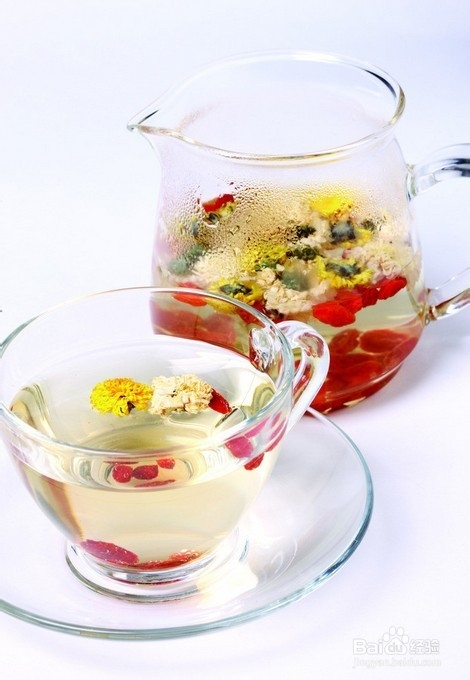
Soup or congee. In terms of consumption methods, chewing them directly is more conducive to exerting the health benefits of goji berries.
When goji berries are infused in water or simmered in soup, their medicinal effects cannot be fully released. Due to factors such as water temperature and soaking time, only part of the medicinal components in goji berries can be released into the water or soup. Chewing them directly with the mouth allows for more thorough absorption of the nutrients in goji berries. However, when chewing goji berries, note that it is best to halve the amount eaten, otherwise it is easy to over-nourish.
Generally speaking, a healthy adult should eat about 20 grams of goji berries per day; if you want to achieve a therapeutic effect, you can eat about 30 grams per day. When selecting goji berries, choose those that are large, red in color, thick-fleshed, soft and moist in texture, sweet without bitterness, sticky to the teeth when chewed, and can dye saliva red-yellow; these goji berries are of the best quality

But after all, it is a type of food and medicine dual-use item, and not everyone is suited to consume it. Because its effect of warming the body is quite strong, people who are currently suffering from a cold or fever, have inflammation in the body, or have diarrhea had best not eat it. People with deficiency-cold constitution who take it may experience the problem of slippage and diarrhea; those with uncleared internal heat should use it with caution. Some people eat too many goji berries and end up with red, swollen, uncomfortable eyes and blurred vision. Therefore, goji berries should not be eaten regularly; all medicine is three parts poison.
How to eat goji berries in the four seasons
In spring, all things revive, and the body's yang energy gradually rises. Goji berries are sweet in flavor and mildly nourishing; in spring they can be taken alone, or taken together with sweet, slightly warm items to help the yang energy rise, such as astragalus and so on.
In summer, people always long for a pot of sweet, cool tea to dispel the summer heat. Goji berries are sweet in flavor; if combined with chrysanthemum, honeysuckle, green tea, and so on, drinking it feels refreshing and delightful. Especially when combined with chrysanthemum, it can nourish yin and brighten the eyes, and clear liver fire.

In autumn, the air is dry, and people always feel dry mouth and cracked lips, with flaking skin; even using a lot of moisturizer makes it hard to withstand the bleak autumn wind. In this season, eating goji berries requires pairing with moistening foods, such as snow pear, Sichuan fritillary, lily bulb, fragrant solomonseal rhizome, and so on, for better results. Of course, you can also pair with some sour foods, such as hawthorn and so on, to achieve the effect of "sour and sweet transforming into yin."
In winter, people wrap themselves in thick cotton clothes to help their own yang energy resist the cold. Goji berries can mildly nourish yang energy, and can be taken every day, especially when combined with mutton, cistanche, morinda root, Jinkui ***qi pills, and so on, helping the body's yang energy grow and resist the severe cold of the natural world.
The above is the nutrition experts' introduction to the harmful effects of drinking water infused with goji berries. If you usually want to achieve health preservation and wellness through drinking water infused with goji berries, you must first understand your own constitution, and also pay attention to the timing of drinking. If it is not suitable for you, be careful to avoid it, otherwise it will cause harm to your health.