Can eggplant be eaten raw? Precautions for eating eggplant raw
Is it better to eat eggplant raw or cooked? Eggplant is one of the foods many people love to eat. Previously people always cooked eggplant by braising it, but recently some reports claim that eating eggplant raw is more nutritious. So how exactly should we eat eggplant to get the most nutrition?
Eggplant is inexpensive and good value, and rich in nutrients. It contains protein, fat, carbohydrates, vitamins, and various minerals such as calcium, phosphorus and iron. In particular, its vitamin P content is very high. Every 100 grams contains 720 mg of vitamin P, which many vegetables and fruits cannot match.
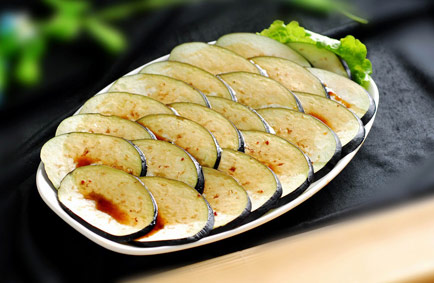
Can eating eggplant raw really help with weight loss
Weight loss actually has nothing to do with eggplant. Some sources indicate that eggplant has a cold nature and should not be eaten raw; eating it raw may cause abdominal pain and diarrhea, because eggplant is alkaline and eating it raw gives an even more astringent feeling. So the diarrhea caused by eating eggplant raw is not proof that eating eggplant raw is good for weight loss.
Experts say that eggplant is just an ordinary vegetable; it is actually not as miraculous as legend claims. The so-called saying that eating eggplant raw can remove oil has no scientific basis and is not accurate. Eggplant can absorb oil during cooking because it absorbs oil at high temperatures. If you place eggplant in a 37°C environment, even if you let it soak in oil, it simply cannot absorb that much oil - and people's gastrointestinal temperature is 37°C, not the 100°C or above used for stir-frying. Therefore, the claim that eating eggplant raw can remove fat from the human intestinal tract is incorrect, and weight loss has nothing to do with eating eggplant raw.
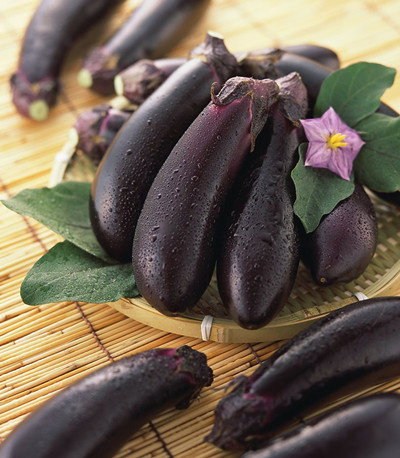
Eating eggplant healthily
Generally, solanine partially decomposes when heated, so eggplant is usually cooked by methods such as steamed eggplant, braised eggplant, and fish-fragrant eggplant casserole to decompose the solanine and remove its toxicity.
Experts also suggest that, when it comes to eating, eggplant can be pickled, boiled, braised, steamed and simmered, and it is delicious both with and without meat, but it is best not to eat it raw.
Vitamin P is a flavonoid compound that can strengthen the adhesion between human cells, enhance blood vessel elasticity, reduce capillary permeability, prevent capillary rupture, and keep cardiovascular function normal. Therefore, eggplant is very beneficial for patients with arteriosclerosis, high blood pressure, coronary heart disease and scurvy.
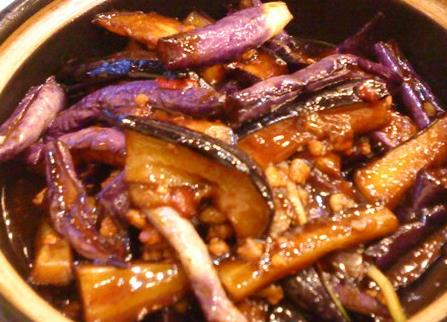
Foreign research results show that eggplant is also a strong anti-cancer food. The solanine it contains can inhibit the proliferation of digestive system tumors and has a certain effect on preventing and treating stomach cancer and rectal cancer. Eggplant is rich in vitamin E, which has positive significance for delaying human aging.
Eggplant has many cooking methods, but eggplant has a very strong ability to absorb oil, so "braised eggplant", "pot-fried eggplant", "oil-braised diced eggplant" and other "oil-passed eggplants" will make people take in a large amount of oil and also cause a large loss of vitamin P. Therefore, to preserve the nutrition of eggplant, steaming is the best way to eat it.
What effects does eggplant have
1. It has the effects of clearing heat and stopping bleeding, reducing swelling and relieving pain.
2. It is used for heat-toxin carbuncles and sores, skin ulcers, mouth and tongue sores, bleeding hemorrhoids, blood in the stool, epistaxis, and so on.
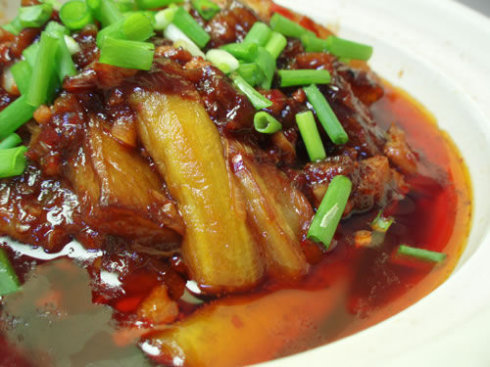
Traditional Chinese medicine believes that eggplant is a cold and cooling food. Therefore, eating it in summer helps clear heat and relieve summer heat, and it is especially suitable for people who are prone to prickly heat and boils. People with indigestion who are prone to diarrhea should not eat too much, just as Li Shizhen said in the Compendium of Materia Medica: "Eggplant is cold in nature and promotes urination; eating too much will inevitably cause abdominal pain and diarrhea." The Materia Medica of Southern Yunnan records that eggplant can dissipate blood, reduce swelling, and relax the intestines. Therefore, for people with dry bound stool, bleeding hemorrhoids, and damp-heat jaundice, eating more eggplant is also helpful, and purple eggplant can be chosen to cook porridge with rice. The Compendium of Materia Medica introduces drying eggplant with the stem, grinding it into fine powder, and taking it mixed with wine to treat bloody stool due to intestinal wind; the Materia Medica of Southern Yunnan advocates taking it mixed with rice water, which is more appropriate, because for bloody stool due to intestinal wind and bleeding hemorrhoids, wine should not be used. Drying eggplant with the stem and grinding it into fine powder is more often used externally.
3. Treating chilblains. Take two or three eggplant seedlings from the field in winter (with roots) and decoct them in water. After the water boils, cook for another 20 minutes. Use this water to soak and wash the affected areas of chilblains, and at the same time use the eggplant seedlings to rub and wash the affected areas. It can be cured in two to three times.