Can Pregnant Women Eat Goji Berries? Precautions for Eating Goji Berries During Pregnancy
Goji berries are a great tonic for the body and have high medicinal value, but many expectant mothers have a question: can pregnant women eat goji berries? Today we will explain whether pregnant women can really eat goji berries.
Can pregnant women eat goji berries?
Goji berries are rich in nutrients and contain a variety of vitamins and trace elements. Expectant mothers who drink a moderate amount of goji berry tea and eat goji berries can supplement nutrition and improve skin and appearance. The seeds of goji berries also contain many unsaturated fatty acids, and their nutrition is also helpful for the development of the fetus. So pregnant women can eat goji berries, but any food should be consumed in moderation and not too much! Otherwise the result will be counterproductive.
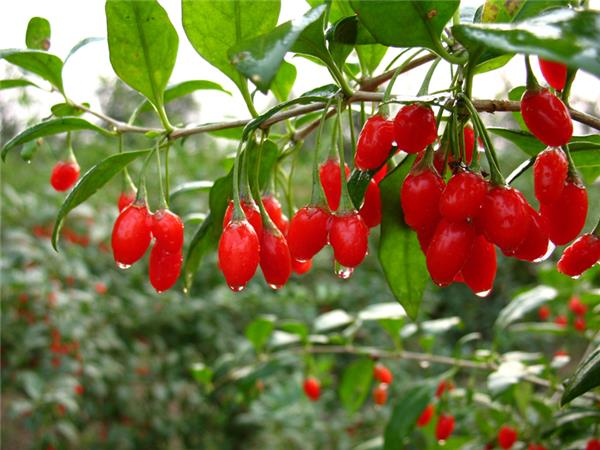
Benefits of eating goji berries during pregnancy:
1. Goji berries are rich in goji polysaccharides, fat, protein, free amino acids, taurine, betaine, vitamin B1, B2, E, C, and especially have a very high content of carotenoids. In addition, they also contain a large amount of mineral elements, such as potassium, sodium, calcium, magnesium, iron, copper, manganese, zinc, selenium, etc., and have effects such as delaying aging, regulating the body's immune activity, and resistance to hypoxia.
2. They have an anti-fatigue effect for pregnant women. Goji berries can significantly increase the reserve of muscle glycogen and liver glycogen, improve human vitality, and have an anti-fatigue effect.
3. Goji berries can treat anemia during pregnancy. If pregnant women eat them often, they can assist in the treatment of anemia during pregnancy. The traditional saying is that goji berry tea can treat anemia during pregnancy and has a very good blood-nourishing effect.
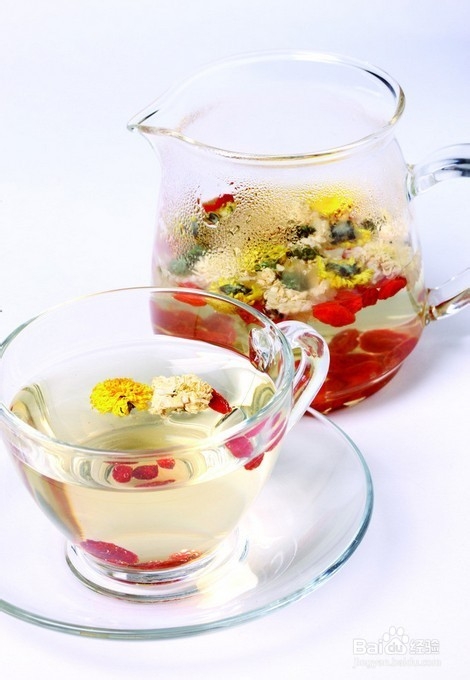
Basic Tips for Pregnant Women Eating Goji Berries
Taking goji berries is suitable in all four seasons. They can be added like ordinary food to tea, congee, soups, and dishes for regular consumption, without disadvantages such as being greasy or causing internal heat.
In spring, they can be taken alone, or boiled in water with astragalus;
In summer, they are suitable for soaking in water with chrysanthemum, honeysuckle, boat-fruited sterculia seed and rock sugar; regular consumption can eliminate eye fatigue;
In autumn, they are suitable for making into soups or thick soups with snow pear, lily bulb, silver ear fungus, hawthorn, etc.;
In winter, they are suitable for cooking congee with longan, jujube, Chinese yam, etc.
When using goji berries to soak in water or make soup, drinking only the liquid does not allow complete absorption, because affected by factors such as water temperature and soaking time, only part of the medicinal components can be released into the liquid. In order to better exert the effect, it is best to eat the goji berries in the soup as well. Without any processing, directly chewing goji berries will allow more complete absorption of nutrients. Goji berries can be rinsed clean with water and then chewed, but the amount taken should be halved.
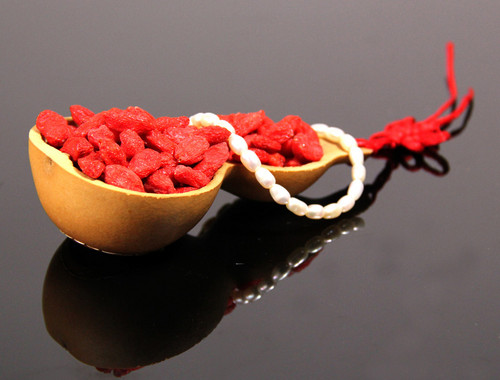
Taboos for Pregnant Women Eating Goji Berries
1. In some groups of people, goji berries are often put together with green tea to make tea, which is unscientific. Because green tea contains a large amount of tannic acid, which has an astringent and adsorbing effect, the tannic acid will cause trace elements such as amino acids, alkaloids, and betaine in goji berries to form substances that are difficult for the human body to digest and absorb, thereby also affecting the medicinal value of goji berries.
2. When goji berries are soaked in boiling water for drinking or used in soup during cleaning, the time should not be too long. Too long a soaking or boiling time will cause the trace elements responsible for medicinal effects to be lost. Goji berries should be added near the end of cooking the soup to ensure better medicinal effect.
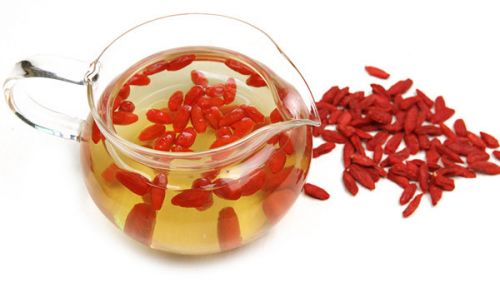
3. People who are currently suffering from cold, fever, inflammation in the body, diarrhea, and other acute conditions should not eat goji berries during the period of illness.
4. In ordinary dietary structure, people whose faces are flushed red due to a meat-based diet are not suitable for eating goji berries.
5. People with high blood pressure and an irritable temperament are not suitable for eating goji berries.