A Detailed Guide to the Roles of Ryegrass and Its Planting and Care Methods
Although ryegrass does not have a particularly special name, it has considerable roles and benefits, and is a great choice for dust prevention, sand fixation and garden lawn laying.
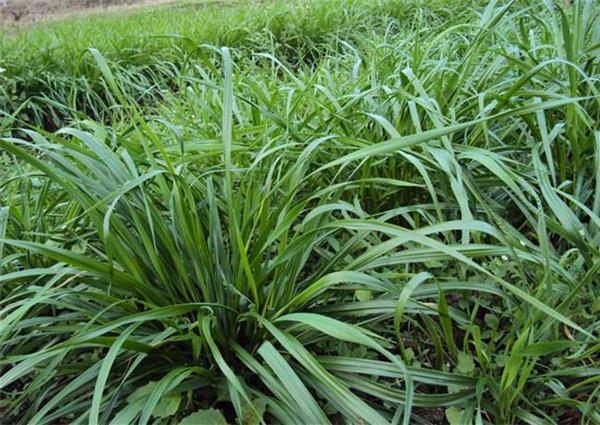
I. The Ornamental Roles and Benefits of Ryegrass
Landscape applications: It can be used for home lawns, parks, cemeteries, public grounds, golf fairways, roughs, or the establishment of roadside, airport and other public lawns, and can also be mixed with other seeds such as Kentucky bluegrass for the establishment of these sites. It can also be used for rapid lawn establishment and soil fixation, and for winter overseeding of warm-season lawns. Apart from being used as short-term temporary vegetation cover, perennial ryegrass is rarely planted alone. Generally speaking, in a mixed sowing, the number of perennial ryegrass seeds should not exceed 20%% of the total number; too high a proportion of perennial ryegrass in a seed mix will cause excessive competition with the desired turfgrass, such as Kentucky bluegrass, and ruin the establishment of these species. It is conventionally believed that cultivars of perennial ryegrass with slow vertical growth should be developed. Improved ryegrass cultivars can be mixed well with Kentucky bluegrass, especially on sports field lawns in colder and humid climates and in somewhat warmer places.
Forage applications: Ryegrass is of good quality and has good palatability; not only do cattle, sheep, pigs, rabbits, geese, chickens and various other livestock and poultry like to eat it, it is also a good feed for grass carp. Ryegrass has great yield potential; under relatively good water and fertilizer conditions and with relatively early sowing, the fresh grass yield per mu can reach about 10,000 kg.
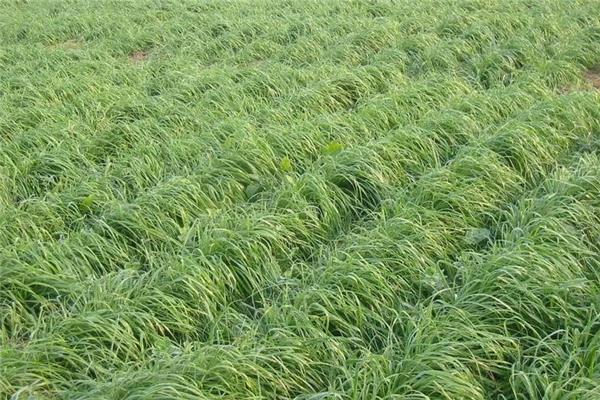
II. Planting and Care of Ryegrass
Land preparation: Ryegrass seeds are tiny, so the land needs to be finely prepared before sowing, making the land level, the soil clods fine and broken, and maintaining good soil moisture. A place with relatively fertile soil and convenient drainage and irrigation should be chosen for planting. During land preparation, sufficient base fertilizer should be applied, with 30-50 loads of barnyard manure per mu.
Sowing: Ryegrass can be sown in both spring and autumn. Autumn sowing allows more harvests and utilization and gives a higher total yield; spring sowing can extend the harvest and utilization period, and the grass is fresh and tender, but the total yield is lower. The sowing period for autumn sowing is from early September to mid-to-late November, and for spring sowing it is in early February. The seeding rate is 1-1.5 kg per mu, and drilling is generally preferred. The row spacing is 15-20 cm, and broadcasting is also possible. Cover with 2-3 cm of soil or spread a layer of barnyard manure. Ryegrass can also be mixed with legumes such as alfalfa and clover.
Fertilizer and water: Sufficient water and fertilizer are key measures for perennial ryegrass to realize its production potential, and the application of nitrogen fertilizer is especially effective. After each cutting, human manure and urine, or cattle and pig manure and urine, should be applied as a top dressing, preferably 20 loads per mu, or urea at 7.5 kg per mu. Ryegrass is a forage grass with a relatively high water requirement. During the tillering stage, jointing stage, heading stage and after each cutting, irrigation should be carried out promptly to ensure water supply, so as to increase the yield of ryegrass.
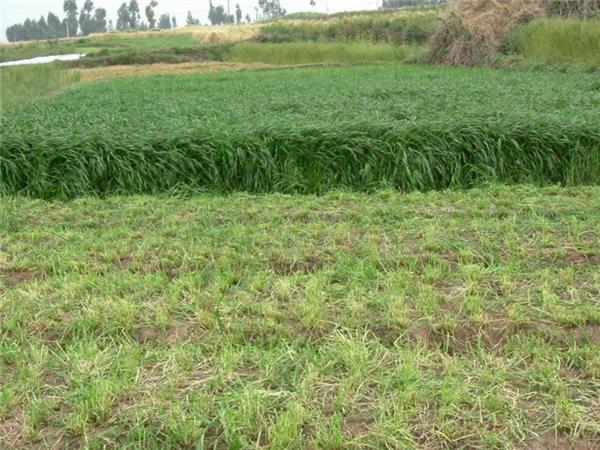
Weeding: After the peak tillering stage, when the rows have closed and shaded the ground, weeding is no longer necessary. After each harvest, a small amount of nitrogen fertilizer should be applied as a supplement, which can accelerate regrowth and increase yield. During the seedling stage, attention should be paid to damage by cutworms and mole crickets; if found, use the pesticide "Dusiben" for control.
Harvesting: The grass layer height for harvesting ryegrass is about 30 cm. Besides being related to fertilizer and water management conditions, the timing, frequency and yield of harvesting are greatly affected by the sowing period. For sowing in early autumn, 1 to 2 cuts can be made within the year, and about 4 cuts can be made from the Beginning of Spring to Lesser Fullness of Grain the following year. For sowing in October, with good management, 1 cut can be made within the year and 2 to 3 cuts after the new year. For spring sowing, 3 cuts can be made by early June. When saving seed, it is advisable to do so after 1-2 cuts; otherwise the plants are tall and prone to lodging, and uneven maturity affects seed plumpness.
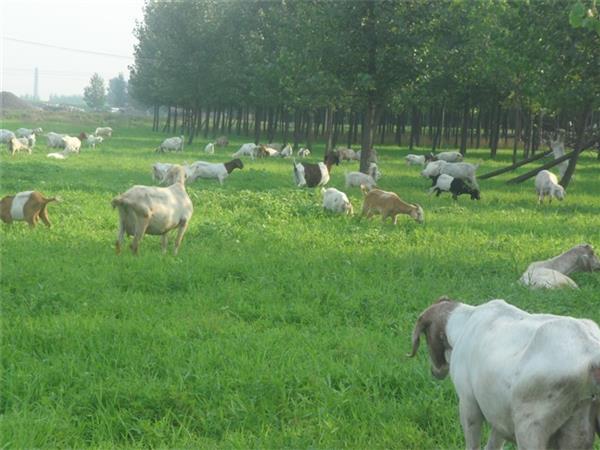 Overall, ryegrass is relatively easy to care for, which is also one of the reasons it is often used for lawn laying. If you have an outdoor space such as a courtyard at home, you can choose to lay a ryegrass lawn to green up your home life.