What to Do If Your ZZ Plant Has Root Rot? A Detailed Guide to the Correct Treatment
The ZZ plant (Zamioculcas zamiifolia) placed in a fairly spacious living room, study or family room has an elegant, understated style; it is an indoor foliage plant with a graceful, neat form. But root rot can occur during cultivation - so what should we do then? Today, let's learn about how to grow ZZ plants and what to watch out for.
I. What to Do If Your ZZ Plant Has Root Rot
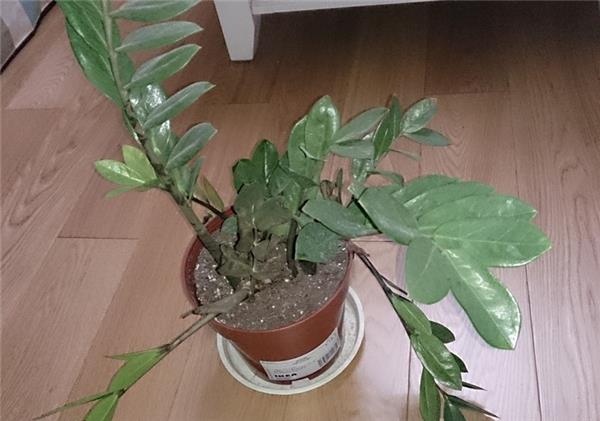
ZZ plant root rot is very likely caused by overwatering. You need to promptly take the ZZ plant out of its pot, shake off part of the old soil, place it in a cool, shady spot to air dry for 1 or 2 days, then replant it in fresh sandy loam. After that, do not water too frequently - water only when the potting soil is about 70% dry.
If the root rot is fairly severe, you need to shake off all the soil, then soak the ZZ plant's roots in a 500-fold dilution of potassium permanganate or carbendazim solution for 5-10 minutes, rinse once with clean water, then air dry until the roots are dry and replant.
For ZZ plant root rot, you can also first take the plant out of the pot, cut away the rotted tubers and branches and leaves, then apply charcoal powder to the wounds, leave the roots exposed in a warm place, and once the wounds are dry, bury them in the potting soil. At this point, do not water; only resume normal watering once the temperature rises above 20°C, but the amount of water must be small - just enough to keep the potting soil slightly moist.
In addition, ZZ plant root rot may also be caused by too much fertilizer, unclean potting soil, or pathogens splashing onto the ZZ plant when watering or when it rains. You can first dig the ZZ plant out of the potting soil and cut off the rotted roots. Soak it in carbendazim solution for about 10 minutes, then replant it in fresh soil.
II. How to Grow ZZ Plants
1. Key Factors in Choosing Potting Soil
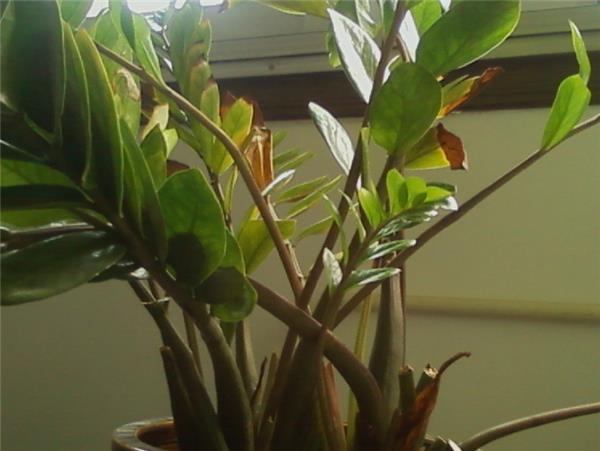
The basic requirement for ZZ plant growing medium is good permeability; peat, coarse sand or rinsed coal cinder mixed with a small amount of garden soil are commonly used as the growing medium. The ZZ plant has large tubers, a well-developed root system and relatively long pinnate compound leaves, so during the growing season you should observe it often and repot and change the soil promptly according to its growth. In addition, if water accumulates in the pot, repot and change the soil promptly.
2. Temperature Control for Growing
The normal growing temperature for the ZZ plant is 25-32°C; too high or too low is not good for its growth. Above 35°C the ZZ plant will stop growing, and below 5°C it will suffer cold damage. In winter it is best to keep the temperature between 8°C and 10°C, which is relatively safe and reliable.
3. Making Use of Light
The ZZ plant is a plant that likes light but also tolerates shade; during cultivation you should create an environment with good sunlight and some shade for it. As with growing all indoor flowers, ZZ plant cultivation also requires avoiding harsh sunlight and direct sun exposure - especially after rain clears in early summer and around midday in summer, avoid strong sun exposure, otherwise it will be scorched.
4. Fertilizing
The ZZ plant is relatively fond of fertilizer; besides adding an appropriate amount of fertilizer when planting, you can fertilize once a month during the growing season. But do not fertilize in winter, to avoid fertilizer damage to the roots under low-temperature conditions.
III. Pairing ZZ Plants with Home Decor Styles
1. Placing a ZZ Plant on the Balcony
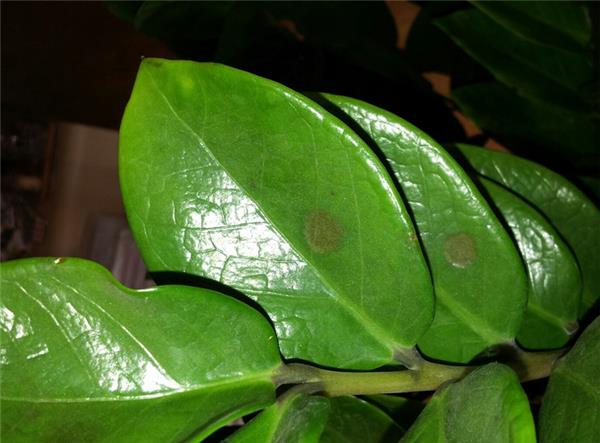
In everyone's home, the balcony is the place closest to nature's sunlight, air and rain, and it is where the house draws in energy (qi), having a very important influence on the feng shui of the entire home. Green plants can regulate vitality. Generally speaking, the ZZ plant has round, thick, full leaves, is easy to grow and full of vitality, and absorbs the metal energy (jin qi) from the outside, making it extremely beneficial for bringing wealth into the home. Moreover, a ZZ plant with thicker, larger and greener leaves is even better. Placing it on the balcony not only helps to prosper the home but also beautifies it, pleases the mood, and has a very positive effect on people's physical and mental health.
2. Placing a ZZ Plant Indoors
We all know that some plants are very suitable for placing inside the home, being helpful for both feng shui and family health. Placing a wealth-attracting plant such as the ZZ plant indoors can help draw in wealth. The living room is a place for entertaining guests and gathering with friends; placing a flowering plant like the ZZ plant, which carries the meaning of good fortune and prosperity and of gathering wealth and blessings, enhances the home's wealth luck and has the effect of bringing in treasure. If it can be placed in the wealth position, the effect is even better - especially a ZZ plant with large leaves. However, note that it must be planted in soil, not grown in water. Also note that once the plant becomes sick or withers, it must be replaced immediately.
We hope that after reading this article, you will know what to do about ZZ plant root rot and understand how to grow ZZ plants and what to watch out for. With its beautiful green color and auspicious meaning, how could the ZZ plant not inspire you to care for it? Hurry and grow a ZZ plant - it can not only bring you good luck but also add a touch of green to your life!
We hope that after reading this article, you will know what to do about ZZ plant root rot and understand how to grow ZZ plants and what to watch out for. With its beautiful green color and auspicious meaning, how could the ZZ plant not inspire you to care for it? Hurry and grow a ZZ plant - it can not only bring you good luck but also add a touch of green to your life!