How to Grow Mimosa Pudica? Introduction to Mimosa Pudica Growing Methods
Mimosa pudica is a very interesting plant. Touch its leaves lightly and they will immediately fold up. Many people like this shy plant and keep a pot of mimosa pudica at home as an ornamental plant. So, do you know whether mimosa pudica is toxic? How do you grow mimosa pudica? Below, while enjoying mimosa pudica pictures, let us learn some related knowledge about mimosa pudica.
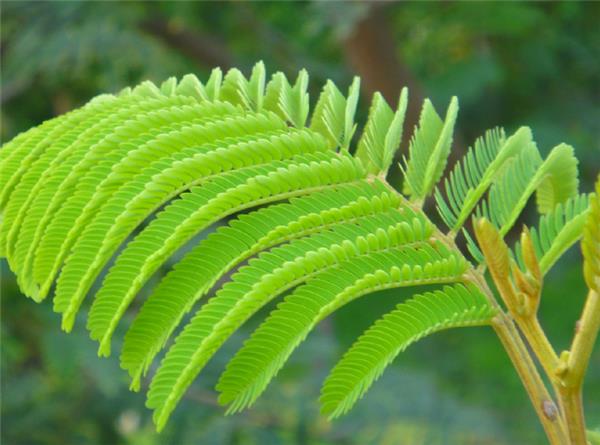
I. How to Grow Mimosa Pudica
During the growth period of mimosa pudica, along with watering, apply diluted decomposed liquid fertilizer (3 to 4) times about every 10 days. As a potted ornamental flower, it is easy to move indoors to a sunny spot; maintaining a room temperature of 0 to 12 degrees is enough for it to overwinter safely.
Water: It likes moisture; during the summer growing season, water once a day. Fertilizer: During the seedling stage, apply a top dressing once every half month. If you do not want the plant shape to become too large, then reduce the amount of fertilizer.
Soil: It requires deep, fertile, moist soil.
Temperature: It is not cold-tolerant and likes a warm climate; in winter the plant dies back on its own.
Light: It likes sufficient light and tolerates partial shade slightly.
Propagation: Propagated by sowing. Sow from late March to early April. Seedlings grow relatively slowly; when the seedlings are 7 to 8 cm tall, they can be planted out.
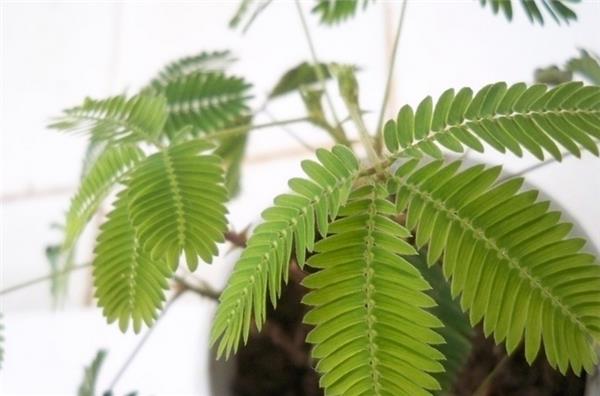
II. Precautions for Growing Mimosa Pudica
It can be cultivated in general soil. It does not need much fertilizer during the growing period; applying diluted liquid fertilizer 2 to 3 times is enough. Fertilizer should not be excessive; it is enough for the leaves to be green and the growth robust. Do not let it become leggy, because mimosa pudica is mainly a fun foliage plant and is best kept small. The planting technique for mimosa pudica is simple and management is extensive. It is not strict about climate, sunlight, or soil, but fertile, loose sandy loam is best; it likes a warm, humid environment.
Planting method. Generally propagated by sowing, sow from late March to early April. Evenly scatter the seeds on fine soil and cover with about 1.5 cm of soil. At a temperature of about 18°C, seedlings can emerge in about 10 days (generally they grow once in the soil and do not need special effort or dedicated management). Seedlings grow relatively slowly; when they are 7 to 8 cm tall, they can be planted out.
For field planting, the spacing between plants is 25 to 30 cm; loosen the soil, hoe weeds, and water in time. For indoor potting, water once every 2 to 3 days in summer. Apply fertilizer once a month. If you do not want the plant shape to become too large, then reduce the amount of fertilizer, or even do not fertilize.
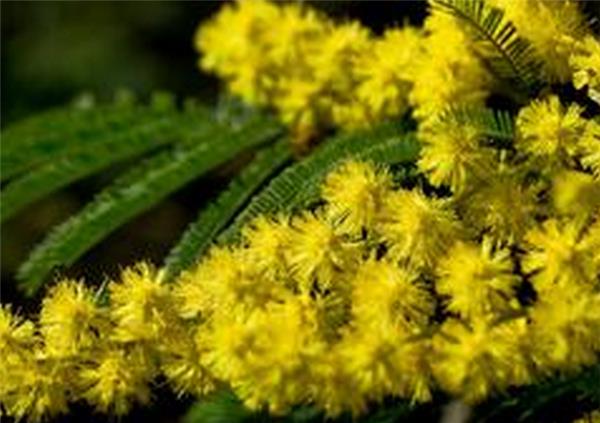
III. Is Mimosa Pudica Toxic?
Toxic.
Mimosa pudica originated in the tropical regions of South America. It likes warmth and humidity and is not strict about soil. It likes light but can also tolerate partial shade, so it can be kept indoors as a potted flower for enjoyment. The leaflets of mimosa pudica are small and arranged in a pinnate pattern. Touch the leaflets with your hand, and after the leaflets receive the stimulus, they will close up. If the vibration is strong, the stimulus can spread to the entire leaf, and then the main leaf stalk will also droop, and it can even spread to adjacent leaves and make their leaf stalks droop, just like a shy girl lowering her powdered face. But the delicate, lovely mimosa pudica is actually toxic, so we must never underestimate it!
The herb of mimosa pudica contains a substance called mimosine, and this substance is harmful to the human body to a certain degree. If you frequently come into contact with mimosa pudica, it can cause numbness in the eyebrows, yellowing of the hair, and even hair loss. Mimosa pudica generally does not poison the human body during the day, but at night, because it cannot carry out photosynthesis, it releases toxic substances. In other words, mimosa pudica is actually toxic.
The whole plant of mimosa pudica is slightly toxic, but it does not have much impact on people. The whole plant of mimosa pudica is slightly toxic, but it does not have much impact on people. The whole plant of mimosa pudica is used as medicine and has the effects of calming the mind and soothing the nerves, stopping bleeding and astringing, and dispersing blood stasis and relieving pain.
Therefore, it is best not to take mimosa pudica. Do not come into contact with it for a long time. With short-term contact, as long as it is not eaten, the harm is not great.
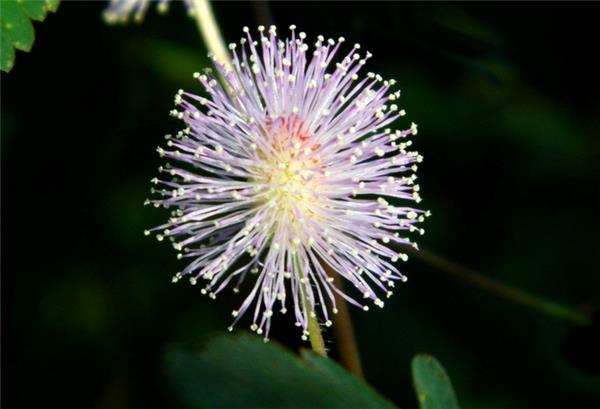
Although mimosa pudica is lovable, considering the health of family members and also its light-loving growth habit, it is best to grow mimosa pudica outdoors. That is all for the introduction on how to grow mimosa pudica. We hope it is helpful to everyone.