How to grow Lysimachia christinae? Keep these precautions in mind
Do you know what Lysimachia christinae is? Lysimachia christinae is a common traditional Chinese medicine, and its many benefits have made it popular with many people. So do you know which diseases Lysimachia christinae can treat?
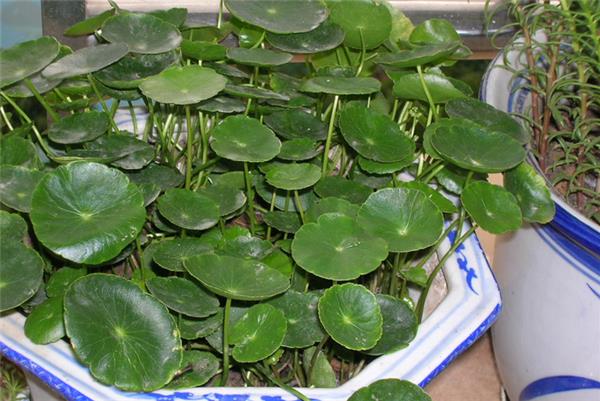
I. How to grow Lysimachia christinae
1. Growing habits. Lysimachia christinae prefers shady, cool and moist places. Choose fertile, loose soil, with sandy mountain soil rich in humus being the best. It grows most easily in damp, shaded spots in stream valleys in hilly or low-mountain areas.
2. Cultivation methods.
Propagation by cuttings: Cuttings can be taken throughout the year, with spring and autumn giving a higher survival rate. When taking cuttings, cut off the creeping stems and cut them into sections of 3 to 4 nodes each to serve as cuttings. Because the seeds are very small and difficult to collect, and the seedlings grow slowly, vegetative propagation by cuttings is generally used in production. In the south in May-June, and in the north in July-August, when the plants grow vigorously, cut off the creeping stems and cut them into sections of 3-4 nodes each to serve as cuttings. On the prepared beds, open shallow holes at a row and plant spacing of about 20cm each, plant 2 cuttings per hole, burying 2-3 nodes in the soil and leaving 1-2 nodes above the ground, press down firmly with soil, then cover with a layer of heavy soil mixed with human and animal manure and urine, about 1.5cm thick. After cutting, if the weather is dry and there is no rain, water to keep the seedlings alive and help them survive.
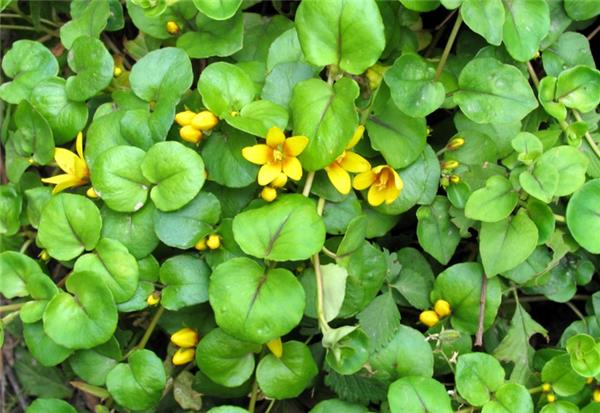
II. Precautions for growing Lysimachia christinae
Centella-like coin grass (money plant) has no requirements for the soil used for cultivation and can also be grown hydroponically. Money plant likes a warm and humid environment, tolerates shade and moisture, and is highly adaptable. Its propagation methods include division and cuttings; division is generally used. As long as the growing soil is kept moist, in about one to two weeks the money plant will send out new shoots. It is best to place potted money plant indoors, away from direct sunlight, and during the growing season a few drops of nutrient solution should be added regularly.
Money plant is highly adaptable and very easy to grow, but the following points should still be noted during cultivation. First, money plant needs a highly humid environment; remember the principle of preferring wet over dry. Second, the leaves of money plant need frequent spraying with water to prevent dust from settling and affecting photosynthesis. Third, always pay attention to keeping the growing environment of money plant well ventilated.
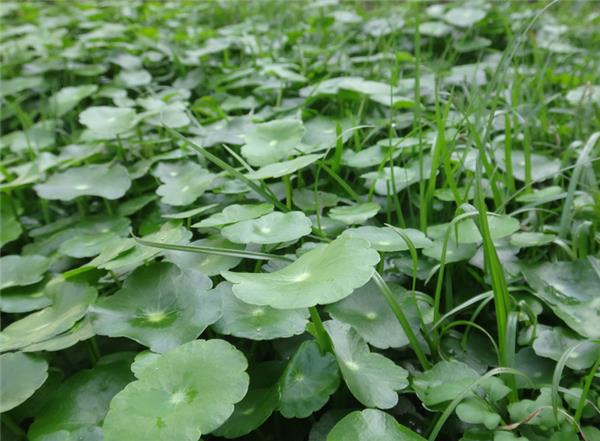
III. Effects of Lysimachia christinae
1. Used for liver and gallbladder stones and urinary tract stones, heat strangury, and jaundice. Lysimachia christinae has a good effect of draining dampness, relieving jaundice, expelling stones and clearing strangury. To treat liver and gallbladder stones and jaundice, it can be used alone as a decoction in place of tea, or combined with Yinchen (Artemisia capillaris), Yujin (Curcuma aromatica), Dahuang (Rheum officinale), etc., to enhance the effects of clearing the liver and gallbladder and expelling stones.
2. To treat urolithic strangury and heat strangury, it can also be used alone for effect or together with Haijinsha (Lygodium japonicum), Jineijin (Gallus gallus domesticus), Shiwei (Pyrrosia lingua), etc., to enhance the effects of clearing damp-heat from the lower jiao, relieving strangury and expelling stones; for urolithic strangury with symptoms of kidney deficiency, it can be combined with kidney-tonifying herbs such as Sangjisheng (Taxillus chinensis) and Hutaoren (Juglans regia kernel).
3. Used for sore toxins and abscesses, breast abscess, erysipelas, venomous snake bites and traumatic injuries. Lysimachia christinae has the effects of detoxifying and dissipating blood stasis, reducing swelling and relieving pain. Fresh material is often used internally or applied externally; the fresh herb can be used alone, pounded and its juice drunk, or pounded and applied to the affected area, or it can be used together with Yejuhua (wild chrysanthemum), Pugongying (dandelion), Wannianqing (Rohdea japonica), etc., to strengthen the effects of clearing heat and detoxifying.
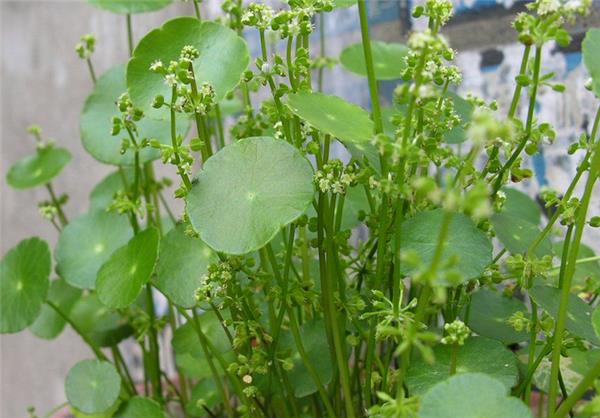
Regarding the related introduction in this article about how to grow Lysimachia christinae, I think everyone should learn more about it. This content is of great interest and is very helpful for everyone growing Lysimachia christinae.