A Detailed Guide to Sugar Mandarin Cultivation Methods and Yellowing Prevention and Control Techniques
Before learning how to grow sugar mandarins, there is one caution to note first: sugar mandarins generally develop fruit cracking between August and September, with a natural cracking rate of 10%. So to reduce this probability, everyone must be careful and meticulous when growing them.
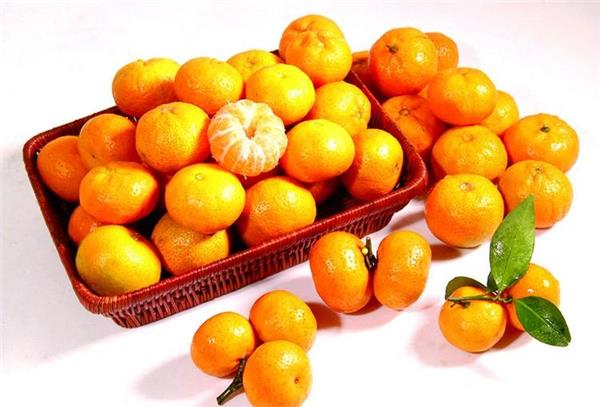
Sugar Mandarin Cultivation Methods
Site selection: Sugar mandarins, like other citrus varieties, have strong stress resistance and are relatively easy to grow, with no strict requirements for soil and environment; they can be planted in paddy fields, hillside land, or dry land. However, to truly achieve early fruiting, high yield, and stable production, it is best to choose a plot with rich soil organic matter, loose and deep soil layers, convenient irrigation and drainage, and a soil pH (acidity and alkalinity) of 5.5-6.5.
Land preparation: When planting on hillside land or dry land, pits should be dug, 0.8 x 0.8 m wide and 0.6 m deep; fill the pits with topsoil and apply sufficient base fertilizer, such as chicken manure and farmyard manure, and fill the soil to 30 cm above ground level.
Irrigation: During the summer drought period from July to August, if the soil is dry, irrigation should be used to combat the drought. First moisten the tree canopy with a sprayer, then irrigate, and cover the ground with crop straw and weeds. This will keep the soil moisture in the tree basin uniform and enhance the orchard's water storage and retention capacity, thereby reducing water evaporation and fruit cracking.
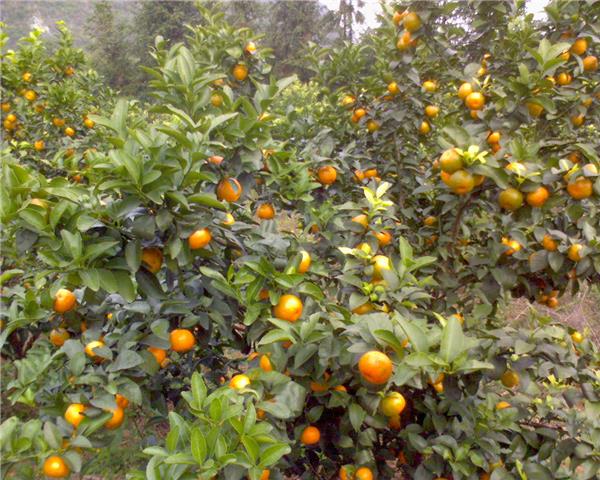
Fertilization: Do not fertilize immediately after planting, to avoid damaging the roots and wasting fertilizer. Generally, the plant begins to develop roots 15 days after planting, and decomposed water fertilizer can be applied after one month, following the principle of frequent and light application. After that, follow the principle of two fertilizer applications per flush: apply fertilizer once when the newly planted seedling's new shoots begin to mature, and apply fertilizer again the second time when the new shoots have matured and begin to bud, and so on in a cycle.
Intertillage: In the early stage of drought, shallow tillage 8-12 cm within the tree basin and deep tillage 15-25 cm between rows; after rainfall, drain accumulated water promptly to prevent soil moisture imbalance. This can prevent the fruit from absorbing too much water and causing the inner diameter to expand, thereby producing fruit cracking.
Fruit thinning: Generally in July, remove small fruits, deformed fruits, and diseased or insect-damaged fruits to ensure normal fruits grow larger and to reduce fruit cracking. For fruits that have already cracked, they should be kept on the tree and not picked off; through water evaporation from the cracks, the soil moisture and tree moisture can be kept in relative balance, avoiding new fruit cracking.
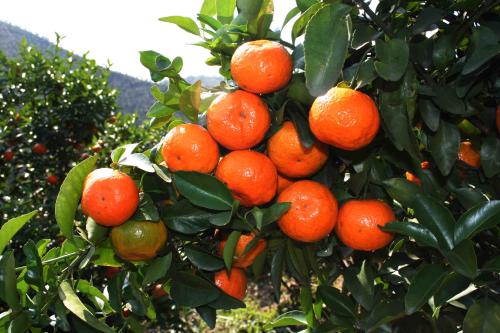
How to Prevent and Control Yellowing of Sugar Mandarin Trees
1. Pay attention to the application of trace elements: The growth and development of mandarin trees require medium and trace elements such as magnesium, boron, and zinc. Zinc deficiency easily causes leaves to turn yellow, become smaller, and form clusters. Magnesium deficiency easily causes leaves to become thinner, with leaves turning completely yellow or showing mottled yellowing.
2. Pay attention to nutrient supplementation for trees bearing excessive fruit: When mandarin trees bear fruit beyond their capacity, the trees' demand for fertilizer and water exceeds the supply capacity of the root system, and the tree body will gradually weaken and become yellowing trees. For such trees, it is best to thin out deformed fruits, tiny fruits, oversized fruits, and top fruits in the early stage of young fruit expansion, while strengthening fertilizer and water management, focusing on early-stage nutrient supplementation, and adopting measures such as harvesting fruits in batches during the maturity stage and applying flower-promoting fertilizer before harvest.
3. Pay attention to removing residual film at the graft union of newly planted trees: Residual film at the graft union of mandarin trees can cause blockage of the conducting sieve tubes, making nutrient transport difficult and causing the mandarin trees to gradually show yellowing. For such trees, in addition to removing the film, the following methods should be adopted: for mildly yellowing trees, make several vertical cuts at the interface; for moderately yellowing trees, quickly bridge-graft above the interface to change the rootstock or plant 3-4 seedling trees around the original tree for bridging, using the seedling roots to supply supplementary nutrients; for severely yellowing trees, dig out the original tree and replant new seedlings.
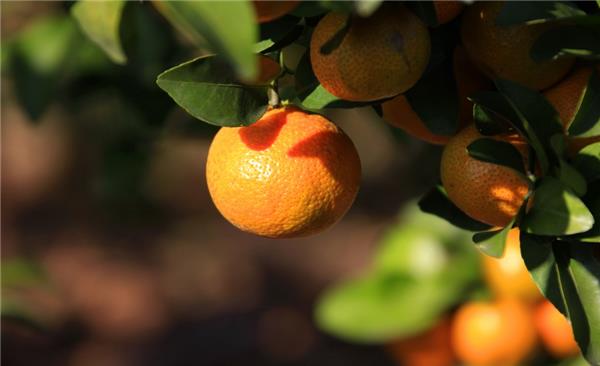
It should be noted that the pests and diseases of mandarins are relatively serious, and growers of sugar mandarins use more pesticides than for other fruit trees, so prevention and control must be carried out early. If prevention and control are not timely, it will cause the seedlings' growth to stagnate, leaving them neither dead nor alive.