A detailed guide to the cultivation techniques of Cyclocarya paliurus: is it worth planting?
Cyclocarya paliurus is a tree species with both ornamental and medicinal value, but to ensure its quality is not compromised, extra attention must be paid to cultivation and care.
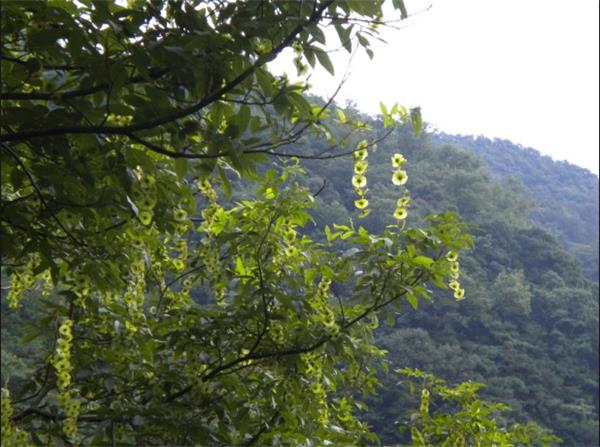
Cultivation techniques of Cyclocarya paliurus
Habits: The native distribution area of Cyclocarya paliurus is in moist mountain forests at an altitude of 800-1200 m. Mature trees are light-demanding, while seedlings are slightly shade-tolerant; it requires deep soil layers, slightly acidic soil, and prefers moist weathered rock soil; it is drought-tolerant, has strong sprouting ability, and grows at a moderate rate.
Seed collection: Cyclocarya paliurus is monoecious. In Lueyang, from late September to early October, when the fruits turn from green to yellowish-brown, the fruits fall naturally and are collected. Remove the fruit wings from the picked seeds, clean them, place them in a bamboo basket to dry in the shade, then store them in bags, dry-stored indoors in a ventilated place. Pour 95% concentrated sulfuric acid into a ceramic container, then put the Cyclocarya paliurus seeds in, soak for 11 hours, remove them, rub and wash repeatedly in running clean water for 2 hours, then soak in 50°C warm water with gibberellin for 24 hours.
Sowing: Sowing is best done in November-December, to reduce the risk of the sand storage step for Cyclocarya paliurus in the following year's spring sowing. Use the drill sowing method, with a row spacing of 25-30 cm, a sowing furrow depth of 2 cm, a soil cover thickness of about 1.5 cm, and a sowing rate of 2-5 kg/667 sq m. After sowing, cover with straw curtains to keep warm and reduce the impact of soil compaction on the germination rate of Cyclocarya paliurus. In early April of the following year, remove the straw curtains and switch to 75% shade netting to avoid the impact of direct sunlight on the sprouts and seedlings of Cyclocarya paliurus.
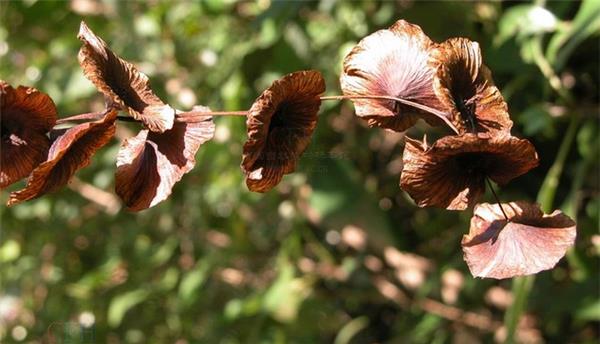
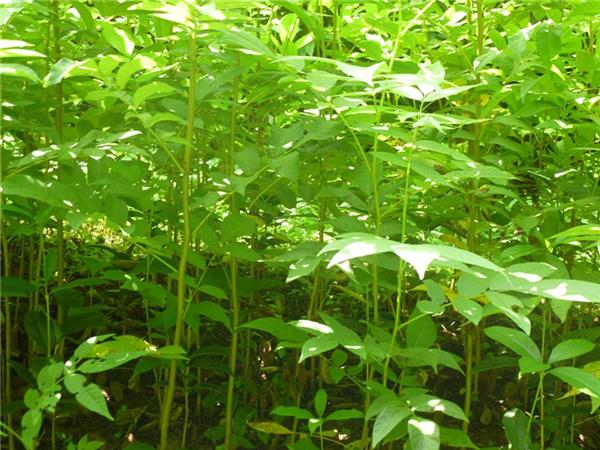
Seedling raising: For raising Cyclocarya paliurus seedlings, choose a nursery site with convenient drainage and irrigation and fertile loam soil. Apply 500 kg of decomposed barnyard manure and 200 kg of calcium magnesium phosphate fertilizer per 667 sq m, then plow and harrow before building the beds. After the seedlings emerge, they need a large amount of nutrients. In addition to applying sufficient base fertilizer, the nursery site should be top-dressed in time, applying nitrogen fertilizer 2 times each in May and June, and timely cultivating and weeding, and clearing ditches for drainage. In the hot summer dog days, build a shed for shade; after the autumn rains, remove the shade shed and stop fertilizing.
Pests and diseases: The main disease is seedling damping-off, also known as seedling blight, which generally occurs in June-July. In the rainy season, do a good job of drainage and waterlogging prevention to prevent damping-off in seedlings. Prevention must be emphasized over treatment, with prevention as the main approach. About 10 days after all seedlings have emerged, spray 0.5%-1% equal-amount Bordeaux mixture or spray 2% ferrous sulfate, then spray alternately every 7-10 days (note: wash the seedlings with clean water). The main underground pests include cutworms, grubs, etc. Combined with watering, use insecticides such as zinc phoxim and lindane for control. In addition, pay attention to sunscald. With sunscald, the seedlings lodge in the same direction, whereas when damping-off occurs, the seedlings lodge in no regular direction.
Effects and benefits of Cyclocarya paliurus
1. Cyclocarya paliurus preparations do have a blood sugar-lowering effect without affecting normal blood sugar, have no toxic side effects, have a synergistic effect with hypoglycemic drugs, and have relatively good effects on eliminating diabetes symptoms, preventing and treating complications, and reducing the toxic side effects of hypoglycemic drugs. They are an optional auxiliary method for treating type II diabetes, and for reduced glucose tolerance and mild type II diabetes they can be used alone in combination with diet control.
2. Cyclocarya paliurus can inhibit the increase in total serum cholesterol in rats, and can slightly reduce rat body weight, increasing the liver weight/body weight ratio.
3. Cyclocarya paliurus has the effect of dilating mesenteric arterioles and venules, accelerating blood flow velocity, increasing blood flow, and lowering arterial blood pressure and heart rate.
5. Cyclocarya paliurus has a certain enhancing effect on the immune function of mice.
6. The alcohol extract of Cyclocarya paliurus has relatively strong free radical scavenging ability and anti-lipid oxidation activity.
7. The inorganic nutrients of Cyclocarya paliurus include not only the major elements essential to the human body such as potassium, calcium, magnesium, and phosphorus, but also manganese, iron, copper, zinc, selenium, chromium, vanadium, germanium, etc.
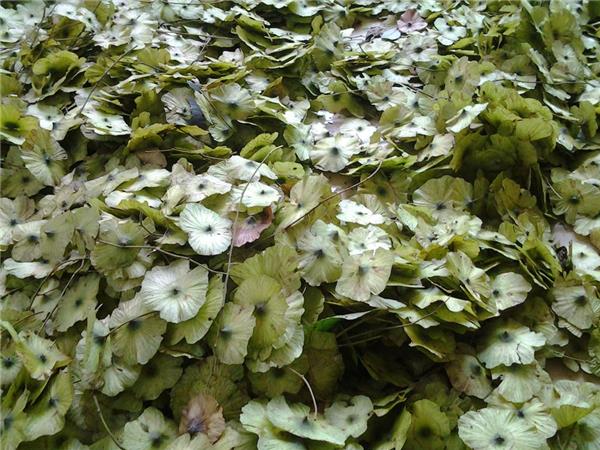
Cultivating Cyclocarya paliurus is relatively easy. Friends with a courtyard at home can all try growing a Cyclocarya paliurus, which can both please the eye and beautify the courtyard, while also letting you experience the joy of gardening.