Manila Grass Lawn Maintenance and Pest and Disease Control Methods
For the normal growth of Manila grass lawns, special attention must be paid to two aspects: first, soil preparation before laying, and second, fertilizer and water maintenance after laying. Let's take a look together below.
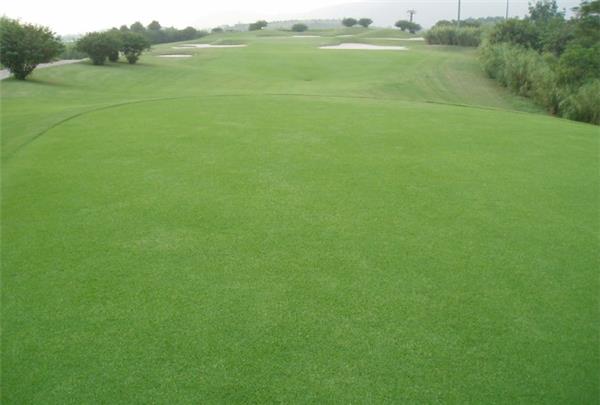
Cultivation and Care of Manila Grass Lawns
Site clearing: Remove all debris from the lawn construction site, such as stones, garbage, woody plants and roots.
Soil plowing: The suitable time for soil plowing should be when the soil field capacity is 50%-60%. The plowing depth is generally 15-25 cm for cultivated land and 20-30 cm for new land. Deep plowing is beneficial to the growth of lawn grass root systems.
Propagation season: The most suitable time for division propagation of lawn grass is the rainy season, that is, the plum rain season. During this season it rains almost every day, which is very conducive to the survival of lawn grass and can greatly reduce the labor of artificial watering, thereby lowering production costs.
Planting management: When planting, the soil moisture should be around 50%. Soil that is too wet easily causes compaction, while soil that is too dry makes it difficult for roots to contact the soil. If too dry, irrigate thoroughly 48 h before planting. When planting, plant the divided lawn grass clumps into the lawn bed at a spacing of 3-5 cm between plants and rows. The planting order should be from the middle toward the surroundings while moving backward. Note that the roots must not be exposed; bury the roots into the soil and do not let them curl, otherwise they will die or grow poorly.
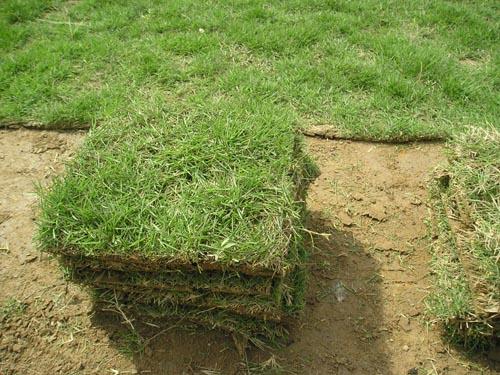
Timely watering: Watering is a prerequisite for ensuring the normal growth of Manila grass lawns, and is especially important for lawns about to turn green again. For newly planted lawns, mist irrigation is best, and watering should continue until the soil is completely moist to a depth of 2.5 cm to 3 cm; for old lawns that have already formed turf, the greater the use intensity, the greater the water demand.
Moderate fertilization: Spring fertilization has the best effect. Fertilizing before greening can promote terminal bud growth by 7 to 10 days in advance and is beneficial to root growth and expansion. If fertilized in March to April, the lawn can sprout 15 to 20 days earlier. Manila grass lawns need to be fertilized twice a year, and the application time should be in early spring and midsummer. The application rate is 6 kg to 10 kg per 100 sq m, and the nitrogen, phosphorus, potassium ratio is preferably 5:3:2, of which the slow-release nitrogen fertilizer content should account for more than 50% of the nitrogen fertilizer application rate.
Lawn rolling: Generally, after the soil thaws each spring, soil is added and rolling is carried out, so that the lawn will not suffer from soil peeling after freezing, exposing grass roots, and poor and uneven growth. Rolling can make the lawn closely contact the soil so as to take root, making the lawn grass grow more densely and evenly.
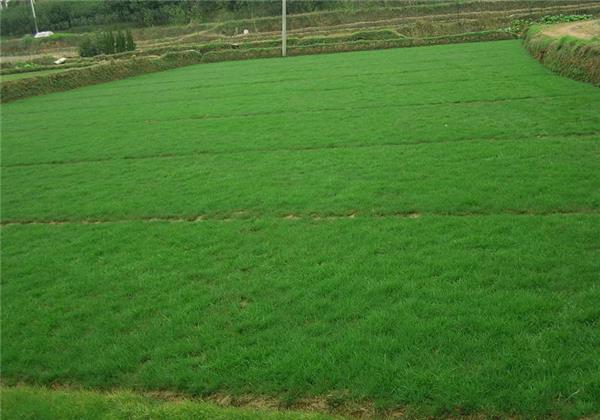
Pest and Disease Control of Manila Grass Lawns
1. Diseases: Manila grass lawns are susceptible to rust disease, which mainly infects leaves or leaf sheaths. In severe cases, the lesions become closely layered, the leaves turn yellow, and they curl longitudinally and dry up. Control method: In combination with lawn mowing, promptly cut off diseased leaves and bury them deeply or burn them in a centralized manner to eliminate the pathogen: in early June to July during the infection period, spray 1000-1500 times 15% triadimefon wettable powder, spraying together with the ground.
2. Insect pests: There are mainly two types of insect pests on Manila grass lawns. One is Sidemia depravata Butler, also known as the pale sword moth or rice small gray noctuid, belonging to Lepidoptera, Noctuidae. Its larvae chew and eat Manila grass and are voracious pests. Once they break out, they will eat all the Manila grass and affect the ornamental value. Control method: Grasp the early stage of occurrence of each generation of larvae before they disperse and spray pesticide in time. You can spray 90% trichlorfon crystal 1000 times solution or 50% fenitrothion emulsifiable concentrate 800-1000 times solution to poison and kill the larvae and prevent the pest from spreading and causing disaster.
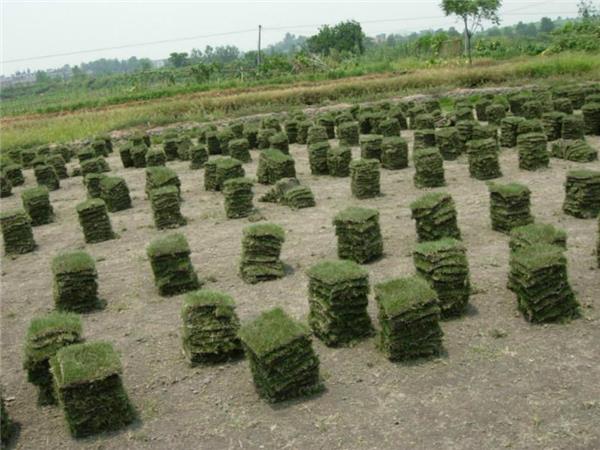
Laying Manila grass lawns can not only play a role in beautifying the environment, but also can windproof and fix sand, and also plays a quite important role in the protection of the ecological environment.