How should foliage plants be cared for? These care methods must be mastered
Indoor foliage plants break the pattern of houseplants being mainly grown for their flowers, but caring for indoor foliage plants well takes extra effort. Only by gaining a deep understanding of foliage plants, their habits, and their care methods can you comprehensively ensure that the foliage plants you grow can grow healthily and vigorously, rather than encountering regrettable situations such as yellowing leaves and withering along the way.
I. What are foliage plants
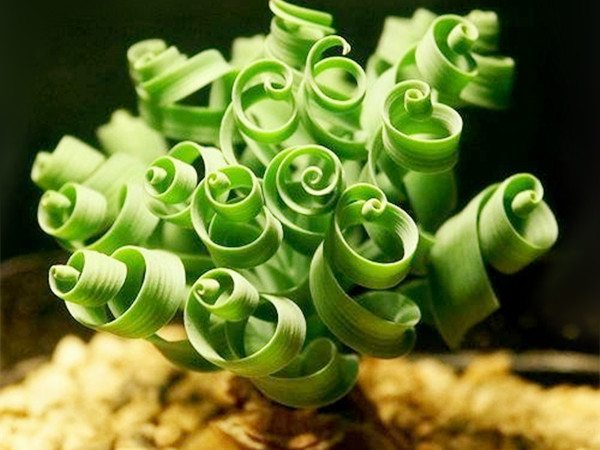
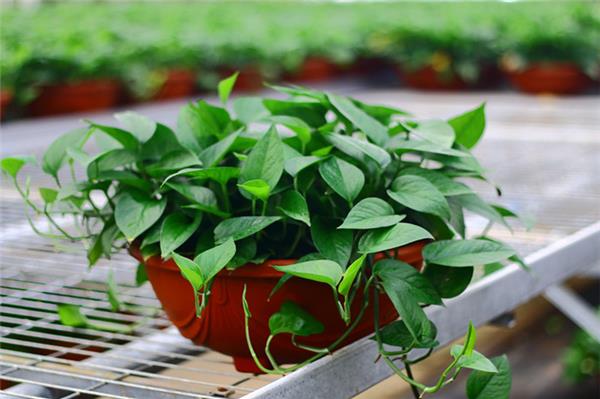
Indoor foliage plants refer to a category of plants whose leaves are mainly the focus of appreciation and which are suitable for relatively long-term display and viewing indoors. Indoor foliage plants are mainly shade-loving foliage plants, and also include some types appreciated for both leaves and flowers or both leaves and fruit. Among them, some trailing types of vine flowers such as pothos are also often used in indoor foliage plant applications.
II. Characteristics of foliage plants
1. Most originate from the lower layers of tropical forests, so they like ample diffused light and fear direct light; they like warm to high-temperature climates and high-humidity environments.
2. The ornamental period is long and there are many species, but the families and genera are very concentrated, mainly belonging to Araceae, Agavaceae, Marantaceae, Palmae, Bromeliaceae, and so on.
III. How to grow indoor foliage plants
1. Placement location
Plants that like sunlight should be placed in a brighter spot by the window. For light-loving plants such as cyclamen and cineraria, even more priority should be given, choosing a sunny place to put them. If there is no ideal sunny spot indoors, then choose as bright a place as possible. If it is a shade-tolerant plant, it is best to place it where there is no direct sunlight, and occasionally give it weaker light. For wall-mounted or hanging plants, if you change their position every 2 weeks to 4 weeks, it is beneficial both for the plant's growth and for enhancing the indoor atmosphere.
2. Watering principles
Giving too much water at this time is one of the important causes of plant death. The cold climate in winter is very unfavorable to the growth of foliage plants. If the potting soil is too wet at this time, the plant's root system will be damaged by the cold, and root damage will inevitably lead to the withering and death of the leaves. Therefore, watering in winter must be strictly controlled, keeping the potting soil in a relatively dry state. Because the degree of dryness of the potting soil will vary depending on the plant species, leaf area, pot material, placement location, and so on, you can use signs such as the surface of the potting soil turning white and becoming dry and hard as a basis for determining when to water. Generally the interval is 3 to 4 days, and watering should be done at the warmer time around noon, with stored water used to water thoroughly in one go.
3. Air humidity
The main reason causing foliage plant leaves to wither and drop in winter is insufficient air humidity. At this time the indoor air is generally very dry, which easily causes the plant leaves to lack water and the tips of buds to wither and be damaged. Therefore, during the warmer part of the day, preferably at noon, you should often supplement the water needed by the plant and the external environment by misting the leaf surfaces. At night, the plant should also be covered with a plastic bag as much as possible to preserve humidity, so that the plant can pass through the cold season safely.
4. Choosing fertilizer
Choosing fertilizer is still relatively simple, because fertilizers are now divided according to function, and the packaging bags note information such as usage methods and safe dosages. So the correct fertilizing method is essential knowledge for flower lovers. I believe flower lovers often see the phrase "light fertilizer applied frequently." These four words are meant to tell everyone not to be greedy when fertilizing plants. You can give a small amount of fertilizer at one time and fertilize multiple times. The advantage of doing this is that it can effectively avoid fertilizer damage caused by excessive fertilizing. In addition, when fertilizing, do not bury the fertilizer near the root system. The correct method should be to keep it as far away from the plant roots as possible, which will likewise avoid burning the roots. When fertilizing plants, you should also pay attention to the plant's growth period, dormant period, soil fertility, climate, and other comprehensive conditions. For example, fertilizer can often be given during the plant's growth period, and a little more can be given appropriately, but during the dormant period fertilizing is not favorable.
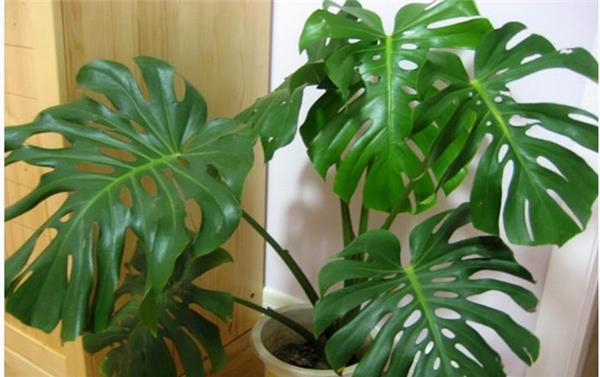
Well, after the knowledge introduced above, have you already understood foliage plants and learned how to grow a foliage plant? Scientific research shows that looking at green plants more is good for relieving visual fatigue and protecting the eyes. So hurry up and take action to grow a foliage plant that both protects your health and beautifies the environment.
So hurry up and take action to grow a foliage plant that both protects your health and beautifies the environment.