What are the benefits and effects of lotus root? Explained clearly in one article
Lotus root is a common food ingredient in daily life, and it is also an excellent food that can be used as both food and medicine. Lotus root is very rich in nutrients and can be prepared in many ways: it can be stewed, served cold with dressing, or stir-fried. Lotus root also has excellent health benefits, and is especially suitable for eating in autumn, as it can nourish yin and tonify the kidney and remove autumn dryness. Below we will explain the benefits of eating lotus root in autumn.
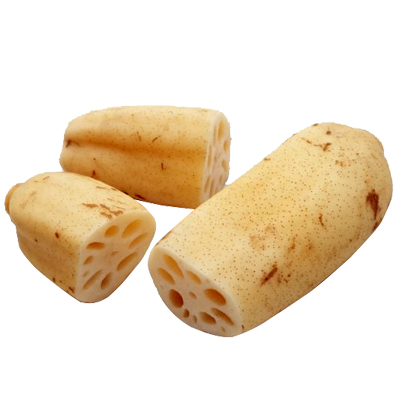
The dietary therapy value of lotus root
1. Clearing heat and cooling blood: Raw lotus root is cold in nature and has the effect of clearing heat and cooling blood, and can be used to treat heat-type☆forbidden☆conditions; lotus root is sweet in taste and rich in juice, and is especially beneficial for those with heat disease thirst, nasal bleeding, coughing blood, and blood in the stool.
2. Relieving constipation and stopping diarrhea, strengthening the spleen and opening the appetite: Lotus root contains mucoprotein and dietary fiber, which can combine with bile salts in the human body, cholesterol and triglycerides in food, and cause them to be excreted in the feces, thereby reducing the absorption of lipids. Lotus root gives off a unique delicate fragrance and also contains tannins, which have a certain effect of strengthening the spleen and stopping diarrhea, can increase appetite, promote digestion, open the appetite and strengthen the middle, and are beneficial for restoring health in people with poor appetite and loss of appetite.
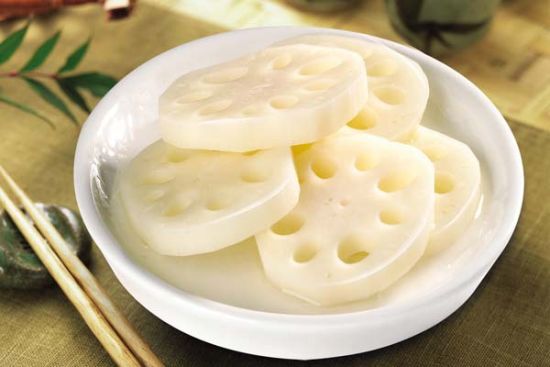
3. Benefiting blood and promoting tissue regeneration: Lotus root has high nutritional value and is rich in trace elements such as iron and calcium. Its content of plant protein, vitamins, and starch is also very rich, and it has an obvious effect of tonifying qi and blood and enhancing human immunity. Therefore, traditional Chinese medicine calls it: "mainly tonifies the middle and nourishes the spirit, and boosts qi and strength."
4. Stopping bleeding and dispersing stasis: Lotus root contains a large amount of tannic acid, which has the effect of constricting blood vessels and can be used to stop bleeding. Lotus root can also cool the blood and disperse blood. Traditional Chinese medicine believes that it stops bleeding without leaving stasis, and it is an excellent dietary therapy food for blood conditions in heat diseases.
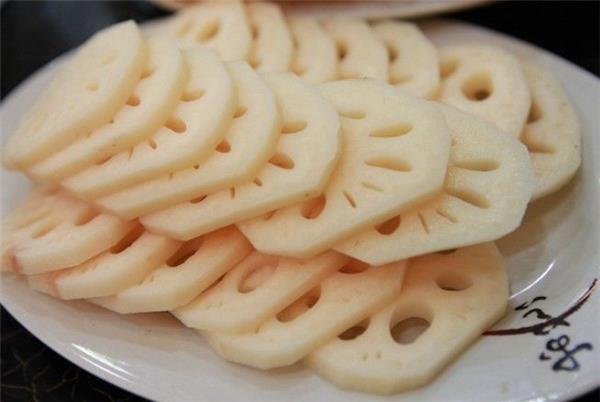
When selecting, do one look, two smells, three touches
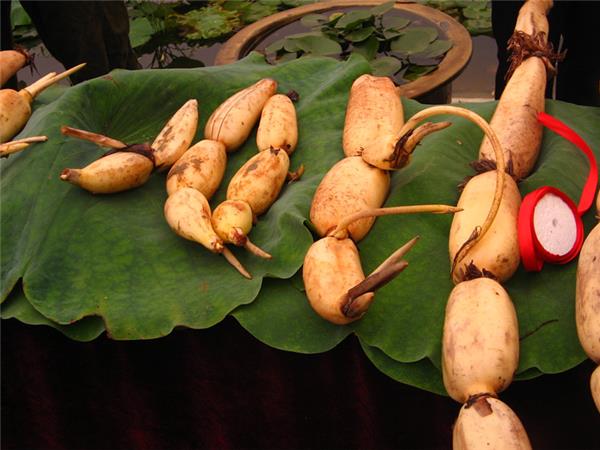
In order to make lotus root look good, unscrupulous vendors may have bleached it, so consumers should pay special attention when choosing. First, look: when buying lotus root, choose one with a plump body, no damage, no discoloration, no rust spots, and unbroken segments; do not choose lotus root pieces that look excessively tender and white. Second, smell: normal lotus root pieces have a fresh fragrance, while "bleached lotus root" will have the smell of chemical reagents when smelled carefully. Third, touch: the surface of normal lotus root pieces mostly has silt attached and feels rough, while the surface of "bleached lotus root" is relatively smooth and moist. In addition, try to buy lotus root with both ends sealed. If there is mud in the lotus root holes, you can cut it open lengthwise and wash it, or cut the lotus root into two or three sections, put them in water, wrap a chopstick with gauze, then poke it through the lotus root holes, and finally rinse with water.
Dietary therapy effects of lotus root:
Raw lotus root is sweet in taste and cold in nature, and enters the heart, spleen, and stomach meridians;
It has the effects of clearing heat, promoting fluid production, cooling blood, dispersing stasis, tonifying the spleen, opening the appetite, and stopping diarrhea;
It mainly treats heat disease with vexation and thirst, vomiting blood, nasal bleeding, and heat strangury.
Cooked lotus root is warm in nature and sweet in taste;
It has the effects of benefiting the stomach and strengthening the spleen, nourishing blood and tonifying, promoting tissue regeneration, and stopping diarrhea;
It mainly treats lung heat cough, restlessness and thirst, diarrhea due to spleen deficiency, loss of appetite, and various blood conditions.
Complete collection of lotus root recipes, the nutritional value of lotus root, how to make lotus root delicious, the effects and benefits of lotus root, ways to eat lotus root. Recipe Home professionally provides methods for making various lotus root dishes.