What are the medicinal values and uses of the night-blooming cereus?
The night-blooming cereus by nature prefers a warm, humid and semi-shaded growing environment. It does not like frost or strong sunlight. As it grows, its flower buds droop, and the petals slowly open with a slight quiver; the flowers are as white as jade and fill the air with a delicate fragrance. That is why we also call it the "Beauty under the Moon."
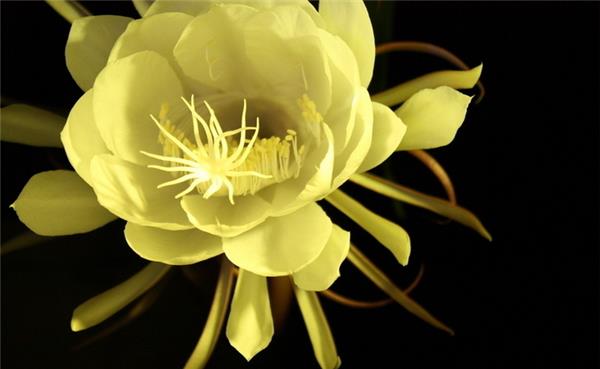
I. Medicinal value of the night-blooming cereus
1. Preventing and treating high blood pressure and high blood lipids: many elderly people have high blood pressure, and the night-blooming cereus can effectively prevent and treat it. Stew the night-blooming cereus with meat, add a little of other Chinese medicinal herbs and stew them together, and this can prevent and treat high blood pressure and high blood lipids;
2. Treating insomnia and stomachache: young people today are under great pressure, so insomnia is a very common phenomenon. We can steep the night-blooming cereus in water and drink it, which can effectively treat symptoms such as insomnia and palpitations, and can also treat stomachache;
3. Clearing heat and relieving cough: many friends cough continuously for a long time as soon as winter comes, which may lead to diseases such as asthma. Although we usually pay little attention to coughing, small problems pile up and become big ones, so we should pay more attention to our health. Night-blooming cereus tea brewed from the plant can effectively help us clear heat and detoxify, and can also relieve cough symptoms; the effect is quite good.
4. Preventing and treating constipation: besides the functions above, it can also prevent and treat constipation. When we normally brew night-blooming cereus tea, add a little rock sugar and steep it together with the night-blooming cereus to drink; this is not only effective for preventing and treating constipation, but can also purify the blood and expel toxins.
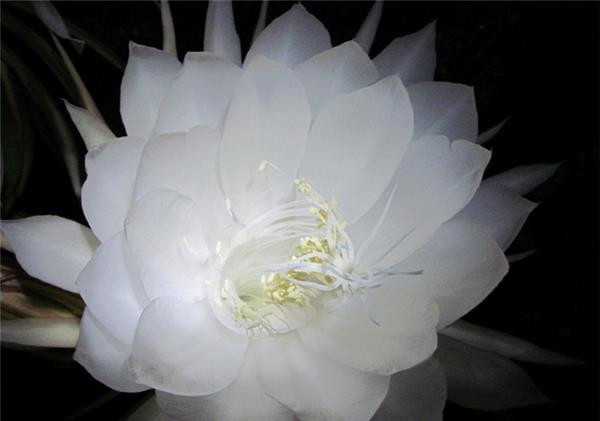
II. How to grow the night-blooming cereus
1. Environment: it likes a warm, humid, semi-shaded, warm and moist environment; it is not tolerant of frost and avoid strong direct sunlight.
2. Potting soil: for planting the night-blooming cereus, it is best to use a slightly acidic sandy soil rich in humus, with good drainage, loose and fertile; otherwise the roots rot easily. The general mixing ratio can be: leaf mold : garden soil : sand = 4:4:2. After mixing the soil, it is best to sun it to sterilize it. When planting, place a layer of broken tiles or brick pieces at the bottom of the pot to increase air permeability and drainage.
3. Temperature: its temperature requirements are especially higher than those of its place of origin, at 15-25°C; in spring and summer the night temperature needs to be 16-18°C, and the daytime temperature 21-24°C. The overwintering temperature is 10-12°C.
4. Light: in summer it should be kept under a shade screen, or grown in a place without direct sunlight; in autumn remove the shading equipment to increase light; in winter it should be moved into a greenhouse, placed in a sunny spot, with sufficient light required.
5. Pruning: when the indoor temperature is too high in winter, dense new shoots often sprout from the base; these should be removed in time so as not to consume nutrients and affect flowering after spring.
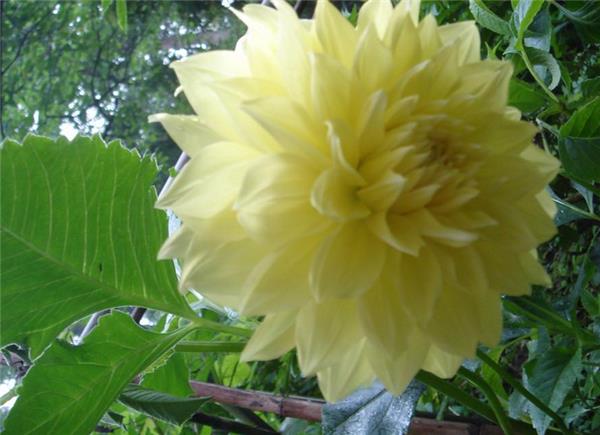
III. Household uses of the night-blooming cereus
1. If there is a windowsill in a rather good position at home, we can make full use of it. On a windowsill fitted with European-style curtains, place a delicate pot of night-blooming cereus, and the whole feeling becomes different. The splendor and nobility of the European-style curtains, paired with the especially precious night-blooming cereus, stand out exceptionally. Chinese-style curtains, however, give another feeling entirely: light-colored fabric, with a small pot of night-blooming cereus placed on it, makes people feel relaxed and also feels very harmonious.
2. Friends who love flowers can choose to arrange the balcony at home into a small garden. Flowers of various colors and lush green foliage plants can complement each other, forming a complete picture of flowers. The night-blooming cereus can be placed in a prominent position among them; even if it does not bloom during the day, its posture still catches the eye. When it blooms at eight or nine at night, looking out from home toward the balcony, one large and beautiful flower after another quivers in the wind, gorgeous but not vulgar, and a faint fresh fragrance drifts on the wind. That scene is precious and brief, yet it instantly gives the home a feeling of elegance.
3. If there is a study at home, the night-blooming cereus is also a good plant for decorating it. The common style of modern studies is simple and practical; we can choose brown rattan furniture, letting the fresh study reveal a touch of nostalgia. In this way, use a small rattan-woven basket to hold a small pot of night-blooming cereus and place it on the desk, so that while studying you can also admire the beautiful night-blooming cereus.
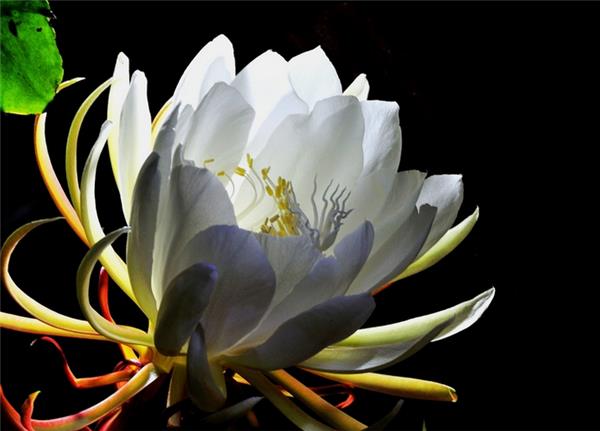
The above is the specific content shared in this article on how to grow the night-blooming cereus, how to cultivate it, and pictures of it. The night-blooming cereus generally blooms at night and withers soon after opening, hence the saying "a fleeting glimpse of the night-blooming cereus." If you want to see this wondrous sight of the night-blooming cereus in bloom, you really do need to grow it well.
You really do need to grow the night-blooming cereus well.