How to grow banana shrubs? A detailed guide to banana shrub cultivation methods
As a plant grown in gardens for both ornamental display and fragrance, the banana shrub (Michelia figo) is at its most fragrant when the flower buds are swelling and the outer bracts are about to split and fall off. So do you know the cultivation methods and precautions for banana shrubs? Here is a detailed introduction for you.
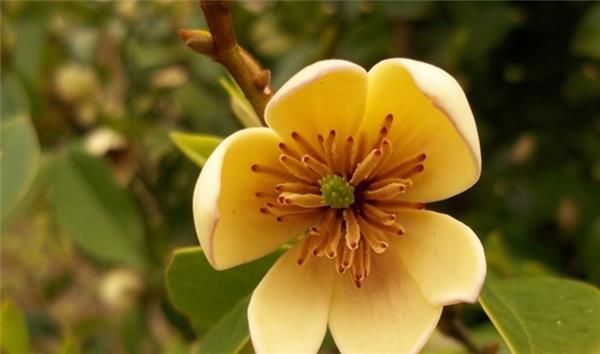
I. How to grow banana shrubs
Location: Banana shrub bonsai should be placed in a semi-shaded and humid spot. Avoid direct strong sunlight, and pay attention to shading in summer. If the environment is dry and exposed to the western sun, the leaves will easily turn yellow and wither, and growth will be poor. In winter, move it indoors, or to the eaves facing south.
Watering: Normally keep the potting soil moist, but not overly wet, because its roots are mostly fleshy; if watered too much or if the pot becomes waterlogged after rain, root rot will occur, so humidity must be controlled during rainy seasons. During the growing season and before and after flowering, it needs more water, and must be watered once a day; in hot, dry weather, also spray water on the leaves to maintain a certain air humidity. In autumn and winter, watering 1 to 2 times a week is enough.
Fertilizing: Banana shrubs like fertilizer, and are mostly fertilized with decomposed cake fertilizer, bone meal, chicken and duck manure, and fish offal and intestines, composted and mixed with water. During the growing season from April to September, fertilize once about every 15 days. Stop fertilizing during the flowering period and after October. If the leaf color is not bright and deep green, apply a light alum fertilizer water once.
Pruning: Banana shrubs should not be pruned excessively. Normally, after flowering, cut off leggy branches, diseased and weak branches, and overly dense overlapping branches that affect the tree shape, and cut off the fruit after flowering to reduce nutrient consumption. Before spring budding, appropriately thin out some old leaves to encourage new branches and leaves.
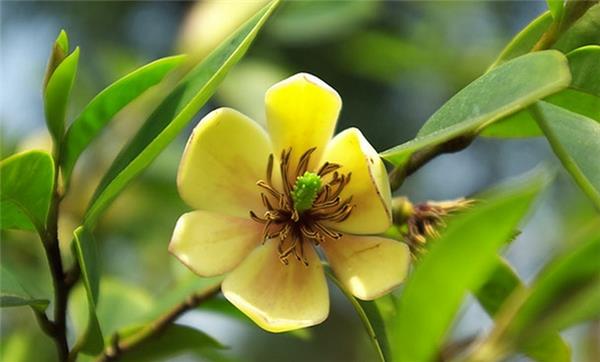
II. Precautions for growing banana shrubs
In the south, banana shrubs can be planted in the ground or in pots, while in the north they are all potted. When planting in the ground, the plant should be kept with a soil ball, carried out from mid-March to mid-April, and it is best to plant it in a place under sparse woods with loose soil and good drainage. For potted plants, choose slightly acidic soil that is well aerated and rich in humus; after planting, leave a 3 cm rim, water thoroughly, and place in a cool place to let the seedling recover. After recovery, move it to the courtyard for care, with proper shading to avoid strong light scorching the leaves. Banana shrubs like moisture but fear waterlogging, so watering should follow the principle of watering when dry and stopping when wet. In spring, when it is dry and windy, spray water morning and evening every day to keep the air humid; in summer, when temperatures are high, watering should be sufficient, but during continuous rainy days, promptly pour out accumulated water in the pot to prevent root rot; in winter, watering should be controlled, otherwise, if the potting soil is too wet, root rot and leaf drop are likely. When buds first appear, water a little more appropriately; after the flower buds form, watering should not be too much, otherwise buds are likely to drop; during the flowering period, watering can be appropriately increased. Although banana shrubs like fertilizer, when the base fertilizer is sufficient, fertilizing during the growing season should not be too much, and fertilizing should stop from late September. For indoor care in winter, the room temperature must not be lower than 5°C. After spring warms up, move it outdoors for care. Generally, repot and change the soil once a year, preferably after the flowers fade.
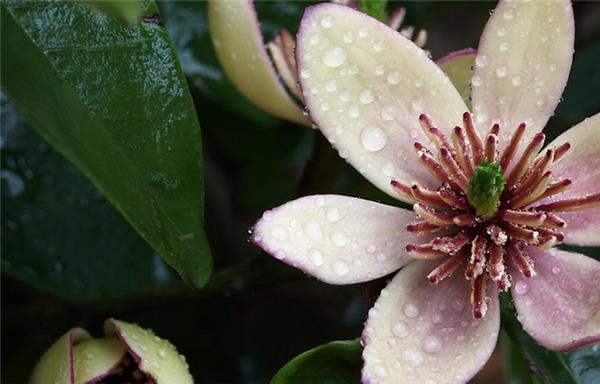
III. Is the banana shrub poisonous?
The banana shrub is a traditional ornamental plant. Many friends worry about whether it is poisonous, afraid it may affect family health, but in fact it is not poisonous; on the contrary, it also has good household benefits, medicinal value, and beauty and health benefits.
Ornamental value: The banana shrub has elegant branches, green leaves, and is especially charming when in full bloom, giving off a rich fragrance. Whether leaves or flowers, it has good ornamental value and is suitable for placing indoors.
Improving air: As a green plant, it can regulate and improve indoor air, and at the same time the fragrance it releases makes people feel comfortable and cozy, refreshing the heart, and relaxing the mood.
Medicinal value: By blending it with other natural flowers and herbs of similar effects, with differentiated adjustments to flower color, flower shape, and floral fragrance, into a health herbal tea, drinking it has the effects of pleasing the mood, boosting qi and nourishing the complexion, invigorating blood and regulating menstruation, promoting urination and detoxifying, calming the nerves and reducing stress, and supporting health and longevity.
Beauty and health care: Antioxidant, slows aging. Relaxes nerves, calms the mood, relieves tension, soothes the mind and relieves depression, and maintains physical and mental balance. Refreshes and gathers energy, increases positivity, and relieves fatigue. Cleanses the blood and detoxifies, letting the skin glow with vitality and luster.
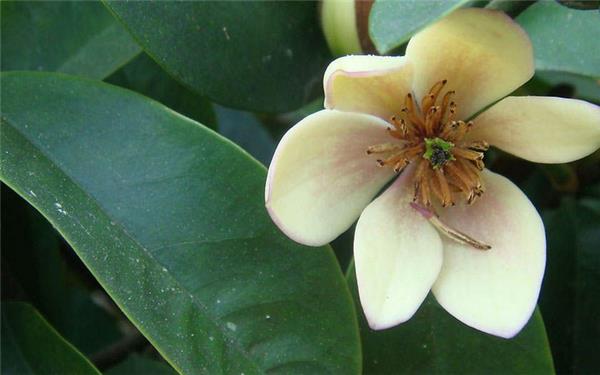
The banana shrub is a foliage and flowering plant that people like very much, and it is not uncommon to grow it in pots indoors. The banana shrub not only has ornamental and air-freshening effects, but also fairly high medicinal value. That is all for the benefits of the banana shrub, and I hope it can help everyone.
I hope it can help everyone.