Is eating pineapple good for your health? Learn about the benefits and nutritional effects of pineapple
Everywhere you look there are golden pineapple quarters. Once summer arrives, pineapple quickly hits the market, and many people love eating pineapple. Its sweet-tart taste makes people's mouths water at the mere thought of it, as if they had already tasted pineapple. So what are the benefits and drawbacks of eating pineapple?
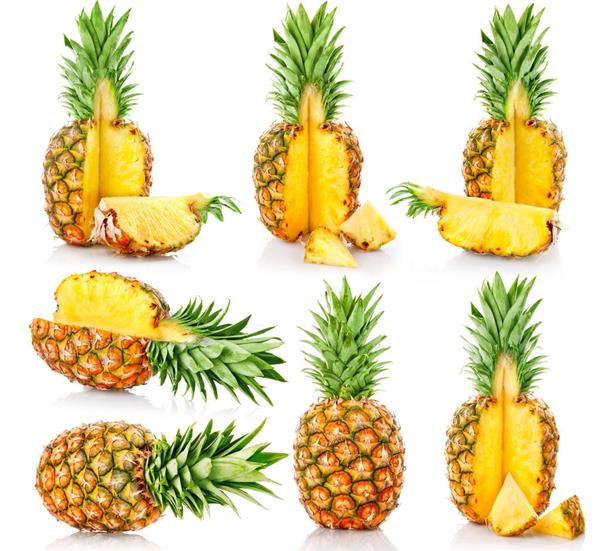
Benefits of eating pineapple
According to research, pineapple peel contains two substances that promote gastric digestion and the absorption of protein, namely bromelain and pineapple protease. After people consume too much meat or greasy food, eating some pineapple has a very obvious effect on cutting through greasiness.
Because pineapple is rich in vitamin C, carbohydrates, inorganic salts, various organic acids and water, eating pineapple regularly in summer not only replenishes the nutrients the body needs but also helps relieve summer heat and quench thirst.

The bromelain contained in pineapple can help the body dissolve fibrin and protein clots more quickly, thereby effectively thinning blood viscosity. It therefore has a certain dietary therapeutic effect against thrombosis and, as a result, a certain supportive role in treating cardiovascular and cerebrovascular diseases.
Pineapple contains a relatively high amount of sugar, but this sugar is not easily converted into fat in the body. The sugar in pineapple has an osmotic diuretic effect, and some enzyme substances in pineapple also have a certain effect on diuresis and reducing swelling.
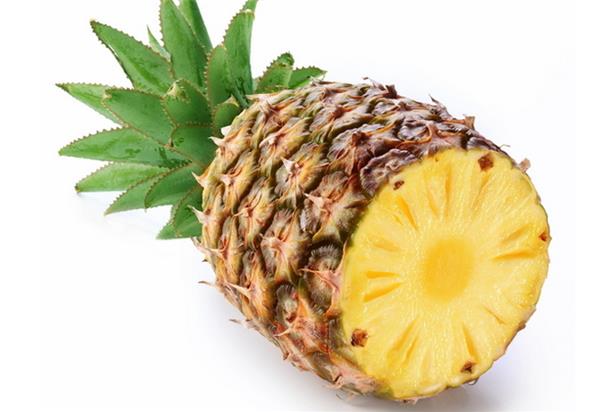
1. Weight loss
Does it also feel novel to you that pineapple can help with weight loss? It is absolutely true. Pineapple contains almost all the vitamins the human body needs, 16 kinds of natural minerals, and can effectively aid digestion and absorption. Pineapple's weight-loss secret lies in its rich juice, which can effectively break down fat. You can effectively add pineapple to your meals every day or drink pineapple juice, but be sure not to overdo it or eat unprocessed raw pineapple. First, it easily dulls the sense of taste and irritates the oral mucosa; second, it easily produces bromelain, and people allergic to this protease will experience symptoms such as itchy skin.
2. Cleansing the stomach and intestines
Do you often worry about how much meat you eat? Pineapple can help you resolve your concerns about digestion and absorption. Bromelain can effectively break down protein in food and increase gastrointestinal motility.

3. Beauty
Rich vitamin B can effectively nourish the skin, prevent dry and cracked skin, and make hair glossy. At the same time, it can also relieve bodily tension and boost the body's immunity; its flesh can be used as a face mask and is the sweetest care product; frequently drinking its fresh juice can remove age spots and reduce the rate at which they appear. Enzymes can lower blood pressure and thin blood lipids. Eating pineapple can prevent fat deposition.
Although pineapple has many effects, the harms of pineapple cannot be ignored either.
1. The "5-hydroxytryptamine" in pineapple is an ammonia-containing neurotransmitter with a strong effect of constricting blood vessels and smooth muscle and raising blood pressure, the result of which manifests as headache. Each 100 grams of juice contains 2.5 mg to 3.5 mg.

2. Pineapple contains a variety of "bioactive glycosides," which have a certain irritant effect on human skin and oral mucosa. That is why the mouth feels itchy after eating unprocessed raw pineapple.
3. Pineapple contains "bromelain," which is a proteolytic enzyme. Once extracted, it has a strong effect of breaking down fibrin and blood clots and is a medical drug. A small amount of bromelain in pineapple is broken down and destroyed by gastric juice after reaching the stomach. However, a small number of people have an allergic reaction to this enzyme, mostly of the "immediate type" allergic reaction, with symptoms such as abdominal pain, nausea, vomiting, urticaria (commonly known as hives), headache and dizziness appearing about 15 to 60 minutes after eating. In severe cases, difficulty breathing and shock can also occur.
About 15 to 60 minutes after eating, symptoms such as abdominal pain, nausea, vomiting, urticaria (commonly known as hives), headache and dizziness appear. In severe cases, difficulty breathing and shock can also occur.