What are the benefits, effects and ways to eat Platycodon grandiflorus
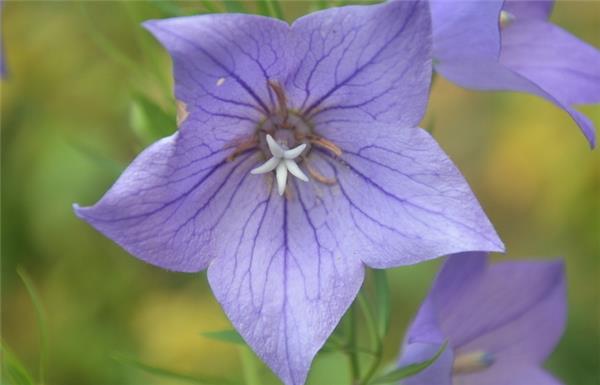
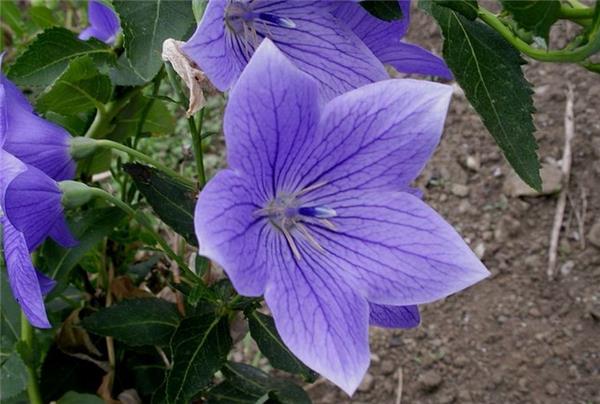
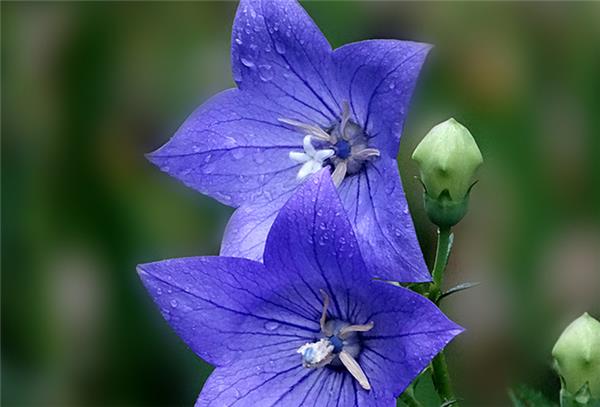
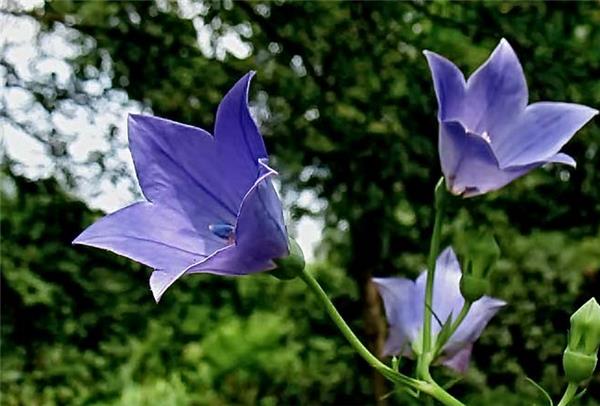
The Platycodon grandiflorus flower is also called balloon flower, bellflower, monk's hat flower etc., and is a very beautiful flowering plant, with dark blue or dark purple-white flowers and a good ornamental effect. In addition, the root of Platycodon grandiflorus can be used as medicine, so what are the benefits and effects of Platycodon grandiflorus? Some relevant information has been compiled for everyone to understand:
I. Benefits and effects of Platycodon grandiflorus
1. Expectorant effect: After oral administration of 1g/kg of Platycodon grandiflorus decoction to anesthetized dogs, it can significantly increase the amount of respiratory tract mucus secretion, with a strength of effect similar to ammonium chloride. It also has the effect of promoting respiratory tract mucus secretion in anesthetized cats. Its mechanism is that the saponins contained in Platycodon grandiflorus can stimulate the gastric mucosa, causing mild nausea, and reflexively cause increased secretion of bronchial glands, diluting phlegm, thereby exerting an expectorant effect.
2. Antitussive effect: Using the guinea pig tracheal stimulation method, 15mg/kg of Platycodon grandiflorus saponins has an antitussive effect. When crude Platycodon grandiflorus saponins were intraperitoneally injected into anesthetized guinea pigs, the median effective antitussive dose ED50 was 6.4mg/kg, suggesting that it has a relatively strong antitussive effect..
3. Anti-inflammatory effect: Platycodon grandiflorus saponins have a relatively strong anti-inflammatory effect on acute and chronic inflammation. Oral administration of 1/10 to 1/5 LD50 dose of Platycodon grandiflorus saponins has an inhibitory effect on carrageenan-induced foot swelling and acetic acid-induced foot swelling in rats; oral administration of less than 1/10 LD50 dose also has a significant inhibitory effect on the formation of cotton pellet granuloma in rats; it is also effective against adjuvant arthritis in rats.
4. For treating lung abscess, cough with chest fullness, chills and rapid pulse, dry throat without thirst, sometimes discharging turbid saliva with a fishy odor, and after a long time vomiting pus like rice porridge: one liang of Platycodon grandiflorus, two liang of licorice. For the above two ingredients, use three sheng of water, boil down to one sheng, and take it warm in divided doses again, then pus and blood will be vomited. Platycodon grandiflorus Decoction from Jingui Yaolue
II. Ways to eat Platycodon grandiflorus
Platycodon grandiflorus porridge
10 grams of Platycodon grandiflorus, 100 grams of rice.
Clean the Platycodon grandiflorus, put it in a pot, add an appropriate amount of clear water, soak for 5 to 10 minutes, then decoct in water to obtain the juice, add the rice and cook into porridge, and it is ready when cooked. 1 dose per day.
This porridge can resolve phlegm and relieve cough. It is suitable for lung-heat cough, yellow and sticky phlegm, or dry cough that is difficult to expectorate, etc.
Platycodon grandiflorus tea
10 grams of Platycodon grandiflorus, an appropriate amount of honey.
Clean the Platycodon grandiflorus, put it into a teacup, add the honey,; add an appropriate amount of boiling water. Soak for 5 to 10 minutes and then drink, 1 dose per day.
This tea can resolve phlegm and soothe the throat, and is suitable for chronic pharyngitis, throat itching and discomfort, dry cough, etc.
Platycodon grandiflorus soup
10 grams of Platycodon grandiflorus, 6 grams of licorice. Clean the two, put them into a pot, add an appropriate amount of clear water, soak for 5 to 10 minutes, then decoct in water and take, 1 dose per day.
This soup can clear heat and resolve phlegm, and is suitable for lung abscess.
Platycodon grandiflorus and winter melon soup
150 grams of winter melon, 10 grams of apricot kernels, 9 grams of Platycodon grandiflorus, 6 grams of licorice, and appropriate amounts of salt, garlic, scallion, soy sauce, and monosodium glutamate.
Wash the winter melon, cut it into pieces, put it into a pot, add cooking oil and salt and stir-fry, then add an appropriate amount of clear water, add the apricot kernels, Platycodon grandiflorus, and licorice and decoct together, until cooked. Season with salt, garlic and other seasonings and it is ready. 1 dose per day. Take with meals.
III. Dietary contraindications of Platycodon grandiflorus
1. After taking this product, it can stimulate the gastric mucosa; if the dose is too large, it can cause mild nausea, or even vomiting. Use with caution in gastric and duodenal ulcers, and the dose should not be too large.
2. The Platycodon grandiflorus saponins in this product have a relatively strong hemolytic effect, so it is only suitable for oral administration and cannot be used for injection; after oral administration, the Platycodon grandiflorus saponins are hydrolyzed and destroyed in the digestive tract, so there is no hemolytic effect.
3. When subcutaneously injected into mice, the minimum lethal dose is 770mg/kg.
Platycodon grandiflorus saponins have a hemolytic effect and cannot be used for injection; after oral administration, they are hydrolyzed and destroyed in the digestive tract, so there is no hemolytic effect. When subcutaneously injected into mice, the minimum lethal dose is 770mg/kg.
The median lethal dose of Platycodon grandiflorus decoction by gavage in mice is 24g/kg. When 40/kg of this decoction was given by gavage to rabbits, all 5 rabbits died within 24 hours; at a dose of 20/kg, all survived. Platycodon grandiflorus saponins have a very strong hemolytic effect, and their hemolytic index varies with the source and producing area, growth years, collection time, processing method, etc., ranging from 1:100 to 1:1000. The hemolytic effect of the phloem is 4.4-6.5 times that of the xylem, and the hemolytic effect of unpeeled Platycodon grandiflorus is slightly greater than that of peeled Platycodon grandiflorus. Therefore, Platycodon grandiflorus cannot be administered by injection. The minimum lethal dose by subcutaneous injection in mice is 770mg/kg. The median lethal doses of crude Platycodon grandiflorus saponins by gavage in mice and rats are 420mg/kg and greater than 800mg/kg respectively, and by subcutaneous injection are 22.3mg/kg and 14.1mg/kg respectively. A large dose of Platycodon grandiflorus saponins by gavage can reflexively excite the vomiting center and can cause nausea and vomiting.
Platycodon grandiflorus is a Chinese medicinal material with very good effects, but many people do not have a particular understanding of Platycodon grandiflorus. The above gives everyone a detailed introduction to the relevant knowledge of Platycodon grandiflorus, including the benefits and effects of Platycodon grandiflorus, Chinese medicinal folk remedies for Platycodon grandiflorus, the side effects of Platycodon grandiflorus, and the dietary contraindications of Platycodon grandiflorus.