Is there a difference between pineapple and pineapple? What are the main differences
Do you all know the difference between pineapple and pineapple? Pineapple is something everyone loves to eat, right? After all, something eaten as often as pineapple can be said to be so familiar in our daily lives that it could not be more familiar. So below, the Kangwang editor will tell everyone some relevant information about what difference there is between pineapple and pineapple, so everyone can take a broader look at pineapple.

In fact, pineapple and pineapple are different kinds of fruit.
After a pineapple is peeled, because of the "inner spines" it needs to be scored with a knife into rows of grooves, and this is what we commonly call pineapple. But after a pineapple has its outer skin removed, it has no "inner spines." Therefore there is no need to score it into rows of grooves. Most people think pineapple and pineapple are the same fruit, but this is actually a misconception. Because pineapple has a lower yield than pineapple, its price is also slightly higher. However, pineapple soaked in hot water for a few minutes is a supreme treat. But biologically they are the same kind of fruit; at least from a biological standpoint, the so-called difference between pineapple and pineapple does not exist. This is driven by commercial factors, so that they can pick out the pineapples whose inner spines are relatively small, sell them as another kind of fruit, and falsely claim they are produced in Taiwan, China. The main reason is that this allows them to sell a portion of the fruit for much more money.
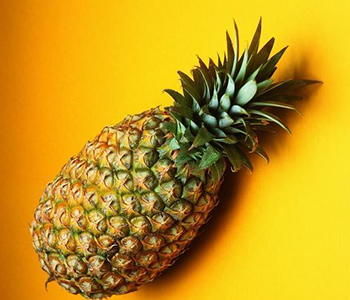
The difference between pineapple and pineapple
Pineapple and pineapple are not the same kind of fruit, but two kinds of fruit that look similar. To distinguish them, you can do so by leaves, appearance and how they are eaten.
1. Looking at the leaves to see the difference between pineapple and pineapple
Pineapple leaves have small serrations, while pineapple leaves are smooth.
2. Looking at the appearance to see the difference between pineapple and pineapple
Pineapple skin is hard and will prick your hands, while pineapple skin is relatively soft and smooth, and does not prick your hands.
3. Looking at how they are eaten to see the difference between pineapple and pineapple
When eating pineapple, you must peel off the skin completely and soak it in salt water before eating, but when eating pineapple, you only need to cut open a small piece and it is ready to eat.
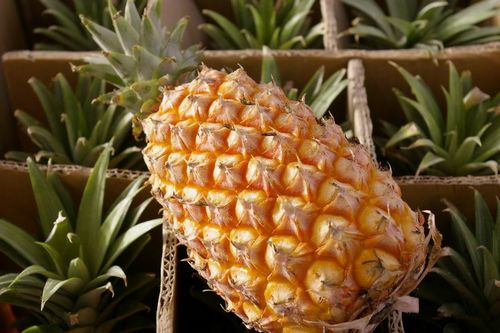
The nutrition and benefits of pineapple
Pineapple fruit contains rich nutritional components: sugars, carbohydrates, organic acids, amino acids, nicotinic acid, protein, fat and vitamins A, B, C, G; riboflavin, carotene, thiamine, dietary fiber; inorganic components such as iron, magnesium, potassium, sodium, calcium, phosphorus, etc.
Pineapple fruit is rich in juice, with tender and crisp fiber, moderate sweetness and sourness, and a fragrant, delicious taste. It especially contains a natural digestive component called bromelain, which has an effect similar to papain, can break down protein, help digestion, and promote appetite. Eaten after meals, it is most beneficial for dietary health. In terms of medicinal uses, it has effects such as diuresis, reducing fever, relieving summer heat, sobering up, lowering blood pressure, and anti-cancer. Eating pineapple in moderation has quite a good dietary therapeutic effect on symptoms such as unfavorable urination due to nephritis, high blood pressure, heat cough, sore and swollen throat, bronchitis, indigestion, and drunkenness.
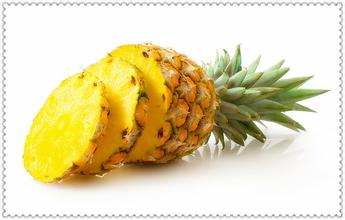
Precautions for eating pineapple
1. Do not eat too much pineapple at one time
Like some fruits, eating pineapple can cause allergies in some people. The fastest allergic reaction can occur within 15 minutes. Such symptoms are called "pineapple disease" or "pineapple poisoning." For example, abdominal pain, diarrhea, vomiting, headache, dizziness, flushed skin, itching all over the body, numbness of the limbs and mouth and tongue; in more severe allergies, reactions such as difficulty breathing and shock also occur.
2. Soak it in salt water before eating
The "bromelain" contained in pineapple flesh is the main component causing "pineapple poisoning." After soaking pineapple in salt water, it can effectively destroy the internal structure of "bromelain" that causes allergies, thereby losing its ability to cause allergies and losing its toxicity to certain constitutions. Soaking pineapple in salt water before eating can also cause part of the organic acids it contains to decompose into the salt water, removing the sour taste and making the pineapple taste sweeter.