How to grow night-blooming jasmine? Keep this cultivation guide handy
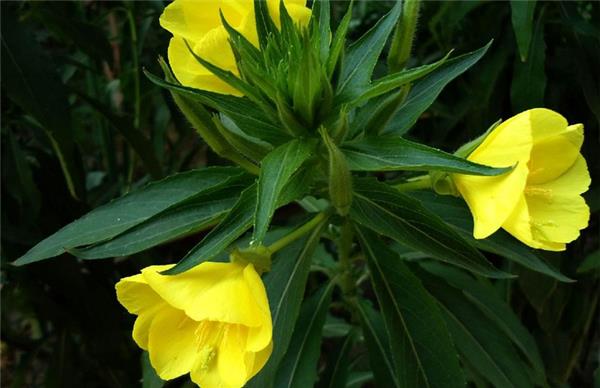
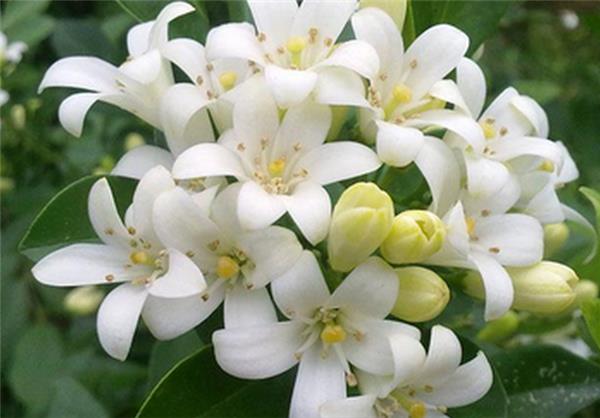
Night-blooming jasmine (Cestrum nocturnum), as its name suggests, has a fresh fragrance, and especially at night, its scent is even more striking. It is a vine-like shrub with slender, weak branches, opposite leaves that are broadly ovate, heart-shaped to oblong-ovate, and axillary umbel-like cymes that can bear as many as 30 flowers; the corolla has 5 lobes, oblong, yellow-green. Below, let us learn about the cultivation methods for indoor night-blooming jasmine.
I. Cultivation methods for night-blooming jasmine
It prefers a warm, humid, sunny, well-ventilated environment with loose, fertile soil. It is drought-tolerant and tolerant of poor soil, but not waterlogging or cold, so growing night-blooming jasmine requires well-ventilated environmental conditions. From early May to the end of September, it is suitable to keep it in a sunny spot in the yard or on a balcony for care. Although it likes plenty of sunlight, direct sun exposure should be avoided at noon in summer.
Summer is the peak growing season. In addition to applying sufficient fertilizer, the potting soil must be kept consistently moist, and if necessary, water twice a day. If it is a seedling, spray water on the leaves once to twice a day. Every year in mid-to-late October, it should be moved into a greenhouse or indoor shelter, and the greenhouse temperature should be kept at 8°C to 12°C. If the temperature is below 5°C, the leaves will turn yellow and fall off until the plant dies.
II. Precautions for growing night-blooming jasmine
1. Prepare potting soil. Night-blooming jasmine prefers loose, well-drained, organic-rich, slightly acidic soil. Its potting soil is generally made by mixing 3 parts peat soil or leaf mold with 2 parts coarse river mud and a small amount of farmyard manure. When potting, fill about 1/5 of the depth at the bottom with granular crushed brick pieces to help drainage, and use the prepared potting soil for cultivation in the upper part.
2. Suitable environment. Potted night-blooming jasmine requires well-ventilated environmental conditions. From early May to the end of September, it is suitable to keep it in a sunny spot in the yard or on a balcony for care. Although it likes plenty of sunlight, direct sun exposure should be avoided at noon in summer.
3. Fertilizing. During its growth process, apply liquid fertilizer once every 10 to 15 days. Starting in late April, apply a dilute liquid fertilizer once every half month. From mid-May onward, continuous flowering can be ensured. If high-efficiency humic acid liquid fertilizers such as Chunquan 883 or Huimanfeng are used, the effect will be even better.
4. Water regulation. Summer is the peak growing season. In addition to applying sufficient fertilizer, the potting soil must be kept consistently moist, and if necessary, water twice a day. If it is a seedling, spray water on the leaves once to twice a day.
III. Uses of night-blooming jasmine
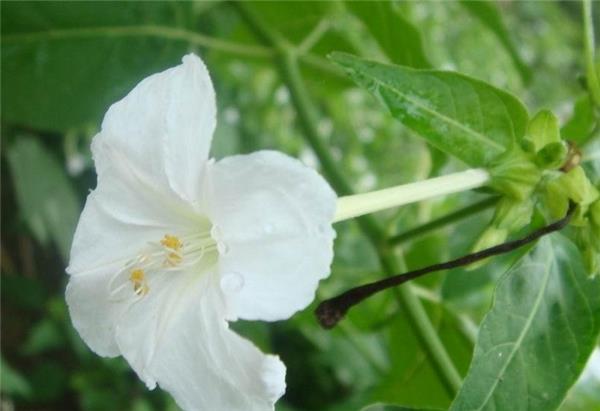
1. Ornamental. Night-blooming jasmine has slender branches and blooms in summer and autumn. Its yellow-green flowers open in the evening and release bursts of strong, striking fragrance. In the south, it is often used to decorate courtyards, areas in front of windows, pond edges and pavilion sides, and it has a certain ornamental value.
2. Medicinal. Night-blooming jasmine can be used as medicine. It has the effect of clearing the liver and improving eyesight, and can treat red, swollen and painful eyes, measles affecting the eyes, corneal opacities, and so on.
3. Edible. Night-blooming jasmine can be eaten, mainly using its fresh flowers and flower buds. It is a semi-wild vegetable.
4. Mosquito repellent. Night-blooming jasmine has a relatively strong fragrance and is somewhat toxic, so it can repel mosquitoes, which is also a convenience in daily life. Usually, screen windows are installed on windows and the plant is grown outdoors.
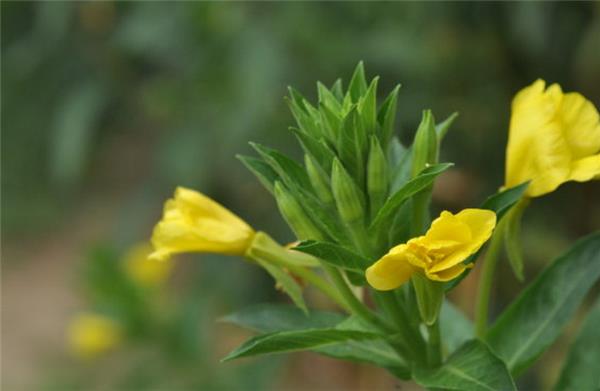
We are relatively familiar with night-blooming jasmine. Its fragrance is very strong, so it is best planted in a courtyard. Besides its ornamental use, night-blooming jasmine also has multiple uses such as mosquito repellent, edible and medicinal, making it a plant with rather unique uses.