Emerald green plant has many uses and is a little expert at beautifying the home
The many functions and effects of the emerald green plant are one of the main reasons people grow it, so what exactly are the specific uses of the emerald green plant? And how should this lovely plant be grown?
The uses and effects of the emerald green plant
Medicinal value: The emerald green plant can be used medicinally. Taken internally, it can dispel wind and remove dampness, relieve cough and reduce phlegm. Used externally, it can treat bruises and fractures.
Purifying the air: Grown at home, the emerald green plant can purify the air, absorbing harmful gases, releasing oxygen, and absorbing the electromagnetic radiation of mobile phones and other electrical appliances. It has a certain purifying effect on formaldehyde, xylene, and secondhand smoke. It purifies indoor air and benefits human health.
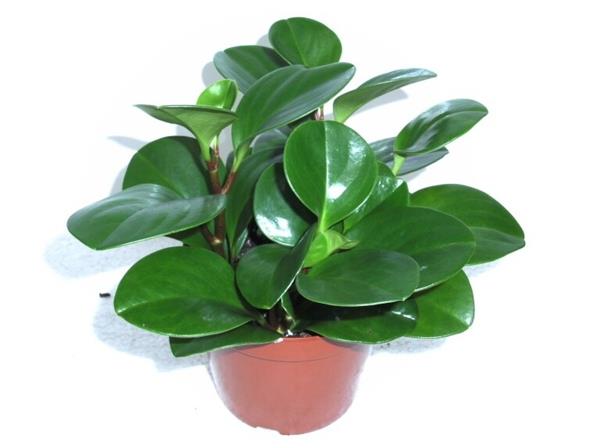
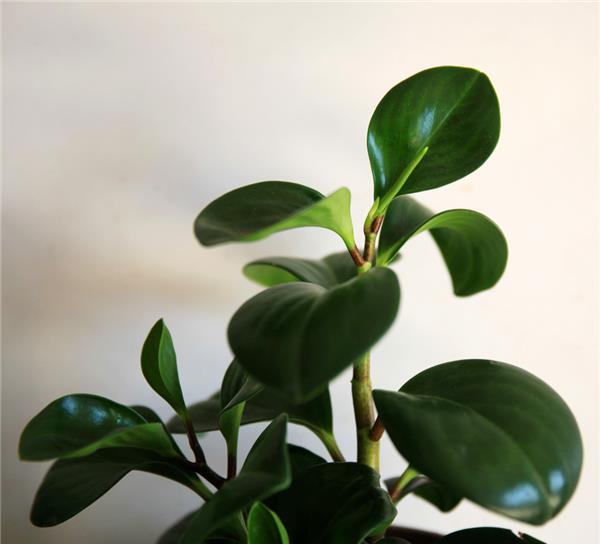
Beautifying the room: The emerald green plant, whose green leaves give it the name "emerald green," is also called round-leaf peperomia, pepper grass, or emerald pepper grass; it is actually a plant native to the West Indies, Panama, and northern South America. In terms of appearance, the emerald green plant has considerable ornamental value. The emerald green plant is delicate and emerald green, suitable for growing at home; it can occasionally cultivate one's character and also bring a green spatial environment to the home.
How to grow the emerald green plant
Propagation: Cuttings are generally stem cuttings, which can be inserted into clean river sand or vermiculite, or directly inserted into sandy soil. Propagation can also be done by leaf cuttings and division. The environmental temperature required for propagation is generally between 20-25°C. For leaf cuttings, a leaf with its petiole is needed, inserted upright or slightly tilted into river sand, with the insertion depth being 1/4-1/3 of the petiole; keep the substrate moist and the air humidity high.
Potting soil: The emerald green plant is suited to a growing medium with a relatively high humus content. The potting soil can be mixed from 4 parts peat soil or leaf mold, 2 parts sawdust, 1 part perlite or river sand, and 3 parts garden soil.
Light: In spring and summer, potted plants should be placed in a semi-shaded spot; in winter they can be placed in a sunny spot, but continuous direct sunlight should still be avoided. Especially during high temperatures, potted plants should be placed in a ventilated, shady spot, avoiding direct sunlight.
Temperature: It likes a warm environment, with an optimum growth temperature between 20-30°C. The overwintering temperature is best kept above 10°C; below 10°C growth stops, and below 5°C it is prone to frost damage.
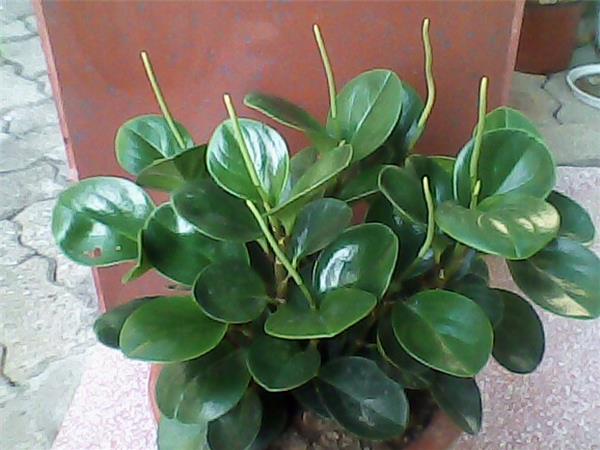
Fertilizing: When the temperature is above 18°C, a small amount of fertilizer is needed; when the temperature is below 18°C or above 30°C, it is best to apply little or no fertilizer. Fertilizing is best done in small amounts and frequently; watering with diluted fertilizer solution instead of plain water is best. It is not tolerant of raw or concentrated fertilizer, which can easily cause fertilizer burn. Fertilizing can also be done by spraying fertilizer solution on the leaves, with good results. The fertilizer should be mainly nitrogen fertilizer and potassium fertilizer, with phosphorus fertilizer secondary.
Humidity: The emerald green plant should be watered sparingly, and overly cold water should be avoided; it is best to bring the water temperature close to room temperature. During the growing season, sufficient air humidity must be ensured. At the same time, attention should be paid to watering more, and water can be sprayed on the leaves to keep them emerald green. Round-leaf peperomia has a fairly strong drought tolerance; too much watering easily causes root rot, so each watering should be on the sparing side rather than generous, but the potting soil should be kept moist regularly.
Pinching buds: When the plant is about 10 cm tall, it can be pinched back appropriately to encourage side branches to sprout and keep the plant shape full. For larger plants, pruning is generally based on the growth condition; leggy branches can be cut short and used as cutting material.
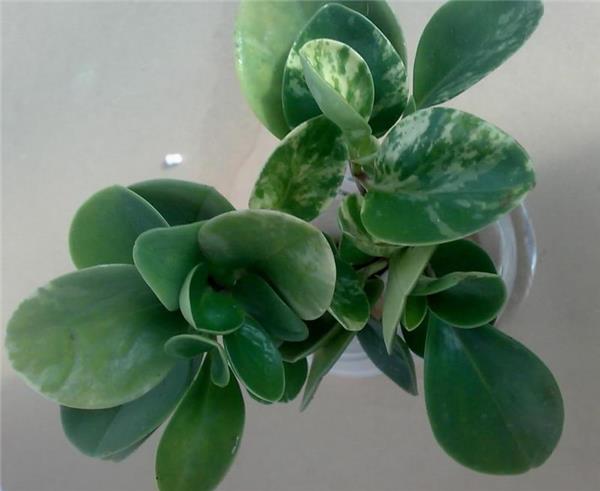
The emerald green plant has emerald green, bright leaf color and a beautiful, elegant leaf shape, with high ornamental value. To ensure its leaves do not turn yellow and lose their ornamental value, we must be diligent and responsible in its daily care, letting it grow healthily under careful tending.