How to grow ground cover plants? Master these six key elements
If ground cover plants are grown well, they can greatly enhance the beauty of our cities or home courtyards, helping people maintain a relaxed and comfortable state of body and mind. Below, let us look at the six basic elements of cultivating and caring for ground cover plants.
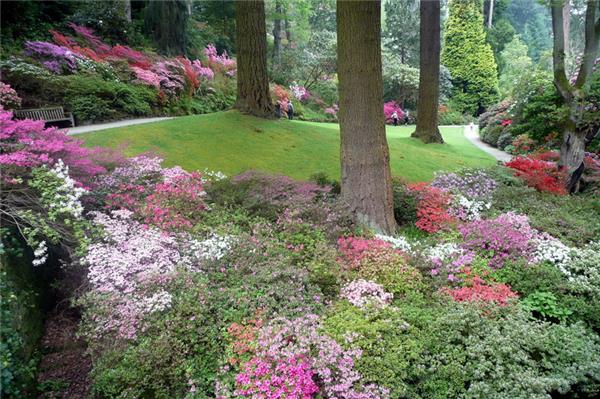
Pairing: Ground cover plants are relatively low-growing. In courtyard cultivation arrangements, the general planting ratio is 40% shrubs and 60% herbaceous plants. When cultivating herbaceous ground cover flowers in a courtyard, it is best to plant them in color blocks. For example, when planting hyacinths, trumpet daffodils, tulips, scarlet sage, and similar plants, it is best to use the same variety or the same color, and not to mix plantings, which would make the courtyard look messy. On a balcony, a relatively larger number of varieties may be used, and plants of different colors or varieties may also be planted together to create a lively and colorful look. For indoor cultivation, it is best to choose evergreen, shade-tolerant, long-flowering plant varieties, and under ordinary circumstances they may also be mixed to highlight color.
Water: During seedling raising, the water supply is generally not a problem. However, if the seedling-raising period is too long, the seedlings grow larger, and later temperature control becomes difficult, then to prevent leggy growth, the method of controlling water should be used. At every stage of seedling raising, there are situations in which, because the nutritional area is too small, longer periods of water control are adopted to prevent competition for light and leggy growth, but this causes the seedlings to age, which is commonly seen in production. The amount of water content directly affects the content of soil air, soil temperature, and the decomposition of fertilizer. If there is too much water, the root system lacks oxygen, leading to absorption problems.
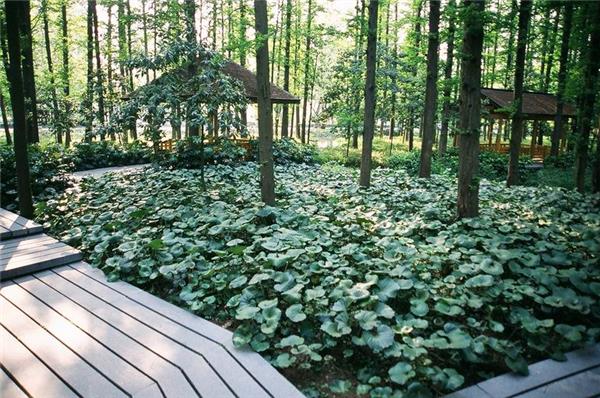
Fertilizing: During the growth period of ground cover plants, fertility should be supplemented in a timely manner according to the needs of each type of plant, and this is especially important for some flowering ground cover plants. Fertilizing is mainly based on applying dilute inorganic fertilizers such as ammonium sulfate, urea, superphosphate, and potassium chloride. Sometimes, in early spring and late autumn or around the plant dormancy period, the broadcast application method may also be used, combined with covering with soil. This is beneficial for the plants overwintering, and can also suit local conditions by making full use of compost, oil cake fertilizer, river mud, and other organic fertilizer sources.
Humidity: Air humidity directly affects water evaporation and seedling transpiration. The air humidity in plastic film greenhouses tends to be too high, which strongly inhibits seedling transpiration and is unfavorable for seedling growth, so ventilation should be provided appropriately to lower humidity. If a greenhouse or arched shed is suddenly given strong ventilation when the outdoor air humidity is low, it will cause seedlings to transpire too strongly and too quickly, leading to water deficiency and wilting. In severe cases of water deficiency, the leaf edges die, to the point that they cannot recover.
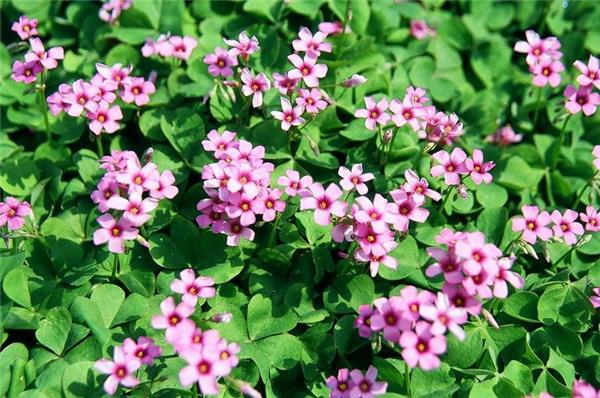
Pruning: In ordinary cultivation management, attention should be paid to pruning the cultivated plants regularly and removing dead branches, old branches, and weeds. Pruning can also be used to artificially control plant height, and artificial shaping can be done according to the layout and style of the house.
Pests and diseases: Most ground cover plant varieties have relatively strong resistance to pests and diseases, but sometimes due to poor drainage, improper fertilizing, and other reasons, pests and diseases can still occur. In large-area ground cover plantings, the most likely diseases to occur are damping-off, gray mold, southern blight, and so on, which can wither entire patches of ground cover. Spraying measures should be used for prevention and control to stop them from spreading and expanding. The pests most likely to occur are tobacco cutworm, white grubs, aphids, measuring worms, and so on. After pest outbreaks occur, spraying should be actively carried out for control.
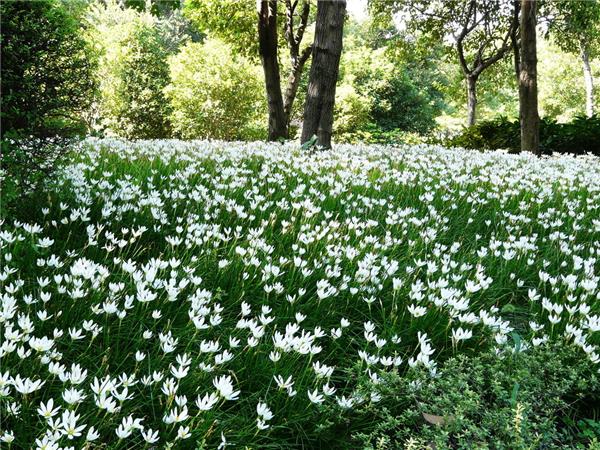
Of course, in addition to the six elements introduced above, when growing ground cover plants we also need to pay attention to the different light and temperature requirements of different plants, and friends who use these ground cover plants for indoor pot cultivation should pay even more attention in these respects.