How to grow Chinese water chestnut? Detailed explanation of Chinese water chestnut cultivation key points
Chinese water chestnut has relatively strong vitality, but it is a plant that is very fond of water, so when cultivating Chinese water chestnut, the most important thing is to keep it in a state of "shallow water without interruption," and attention should also be paid to other aspects.
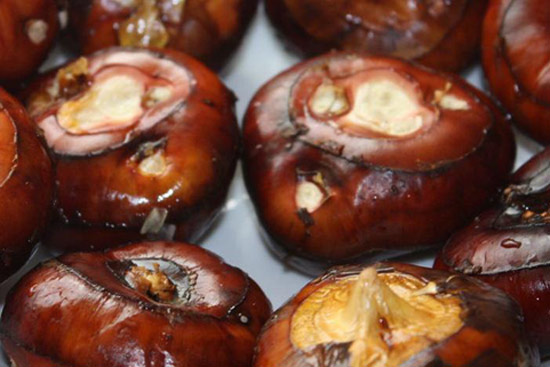
I. Cultivation key points of Chinese water chestnut
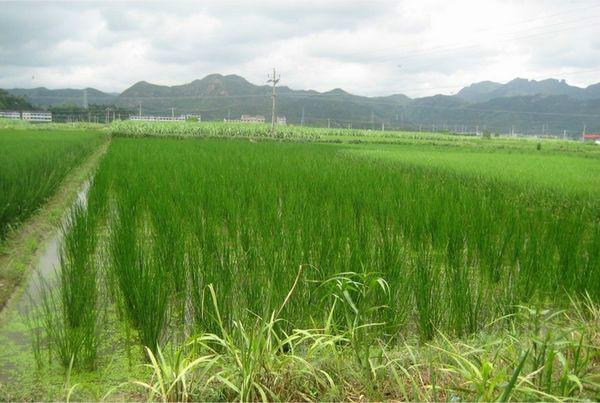
Soil: It has relatively strong vitality and can be planted in low-lying land and paddy fields with convenient drainage and irrigation, sufficient sunlight, and fertile soil. Sandy loam soil is best.
Planting: From late June to late July, sow at a row spacing and plant spacing of 5 cm x 5 cm, cover with soil, and keep moist regularly. After about 20 d, when the seedlings are 20-25 cm tall, transplant them to the field at a row spacing and plant spacing of 50 cm x 35 cm, with 1 seedling per planting hole. Plant 1 seedling per clump.
Sprouting promotion: Select seed corms that have thick and long sprouts, flat-round, upright, and plump corms, moderate size, smooth skin, dark brown color, no disease or damage, and conform to the variety characteristics for sprouting promotion.
Temperature: When the temperature reaches 10-15°C, more than 80% of the corms can sprout.
Transplanting: Generally, Chinese water chestnut is transplanted to the field from mid-to-late July to early August, but according to experiments, transplanting on July 20 gives the highest yield. Proper early planting results in better corm color and shape than late planting, as well as larger, more uniform corms and a higher rate of large corms. When transplanting, soak the roots in a 500-fold dilution of 25% carbendazim for 1-2 hours, which has a clear inhibitory effect on the damage caused by stem blight in the middle and later stages of growth. Then dip the roots in an aqueous solution of ABT No. 5 rooting powder (1 g powder mixed with 40 kg water) and transplant, to promote rooting and shorten the green-returning period.
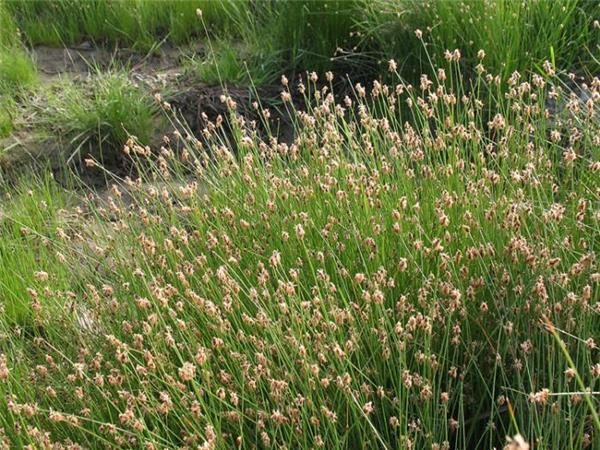
Fertilization: Apply base fertilizer during plowing at 30,000-45,000 kg of farmyard manure per hectare, and 4,500-750 kg of superphosphate. Apply 2-3 topdressings in the early growth stage, mainly nitrogen fertilizer. The amount of topdressing varies depending on the transplanting period and soil fertility. Spray foliar fertilizer once each at the green-returning stage, tillering stage, and early corm formation stage. The foliar fertilizer can be: a mixed solution of 0.3% urea, 0.2% monopotassium phosphate, and 0.2% potassium sulfate, which can effectively improve leaf photosynthetic function.
Irrigation: It has a large water requirement throughout its life, and the field should not lack water after planting. Generally, from transplanting to the tillering and branching stage, maintain a 2-3 cm shallow water layer in the field. In winter, the field should remain moist, and the surface soil should not crack, so as to avoid freezing damage to the corms. Moderately dry the field 15 days before harvest to accelerate the transfer of organic matter to the corms and promote normal corm maturity.
Thinning: Proper thinning and seedling control can control ineffective tillering, reduce ineffective nutrient consumption, and help increase the rate of large corms and yield.
Diseases: The main disease is stem blight. In the early stage of the disease, use 50% carbendazim wettable powder diluted 500-1,000 times with water, or 45% amobam 100-fold solution, or 70% thiophanate 800-fold solution, spraying continuously 2-3 times every 5 days, for a relatively good control effect.
Harvesting: The best harvest period is from the Winter Solstice to Minor Cold. Chinese water chestnut harvested at this time not only reaches the highest yield, but also reaches its peak sugar content, and stores relatively well. If harvested too early, the corms are not fully mature, the yield is low, and because they contain more water, the taste is bland and not sweet, and they are especially not suitable for storage.
II. How to eat Chinese water chestnut
Celery and Chinese water chestnut egg pancake
Main ingredients: 100 g flour, 3 eggs, 150 g Chinese water chestnut. Auxiliary ingredients: 1 stalk celery. Seasonings: appropriate amount of salad oil, appropriate amount of salt, appropriate amount of sesame oil, appropriate amount of white pepper.
Method:
1. Wash the celery, cut it into sections together with the leaves, put it into a food processor, and crack in three eggs.
2. Start it and blend into juice.
3. Wash the Chinese water chestnut and peel it.
4. Smash it and cut into large pieces.
5. Put the celery egg juice, water chestnut, flour, salt, white pepper powder, and sesame oil together.
6. Stir the batter evenly.
7. Heat a flat-bottomed pan, pour in a little oil, pour the egg batter into the pan, and use a spatula to spread it flat.
8. Over medium-low heat, fry both sides until golden brown.
Nutritional benefits: Celery is rich in nutrients, including protein, carbohydrates, minerals, and various vitamins, and has effects such as lowering blood pressure, calming, strengthening the stomach, and promoting urination. The phosphorus contained in Chinese water chestnut is relatively high among root vegetables. It can promote human growth and development and maintain physiological functions, is greatly beneficial to the development of teeth and bones, and can also promote the metabolism of the three major substances in the body: sugar, fat, and protein, and regulate acid-base balance. Therefore, Chinese water chestnut is suitable for children to eat.
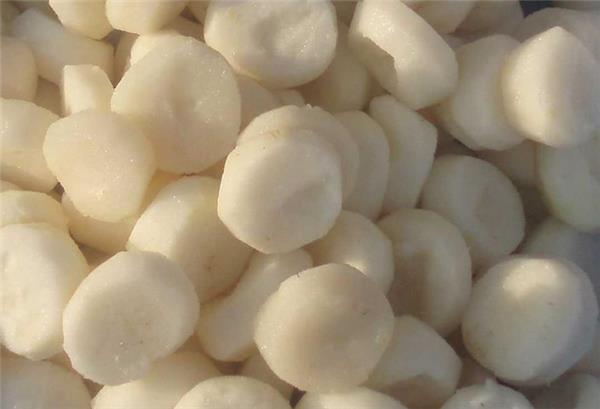
Of course, the role of Chinese water chestnut is not only its value for dietary therapy and medicinal use. The stems and leaves of Chinese water chestnut are emerald green and graceful. If planted in a courtyard, it can also add some fresh vitality to the courtyard and play a certain role in greening the courtyard.