What are the health benefits and drawbacks of eating pineapple?
Pineapple is rich in nutrients and delicious, truly a rare and excellent fruit. But have you ever paid attention to the benefits and drawbacks of eating pineapple? In fact, everything has two sides, and there are quite a few issues to consider when it comes to diet and health. Let's take a detailed look at pineapple below.

Benefits and drawbacks of eating pineapple
Pineapple contains a substance called "bromelain," which can break down protein, aid digestion, dissolve fibrin and blood clots blocking tissues, improve local blood circulation, dilute blood lipids, eliminate inflammation and edema, and promote blood circulation. Especially after overeating greasy food, eating some pineapple is even more suitable, as it can prevent fat deposition. Bromelain can effectively break down protein in food and increase gastrointestinal motility. This enzyme can break down protein in the stomach, supplement the body's deficiency of digestive enzymes, and restore normal digestive function in patients with indigestion. This substance can prevent gel aggregation and can be used to sour milk or soften other fruits, but this property is weakened during cooking.
However, because pineapple contains irritating glycoside substances and bromelain, when eating it you should trim off the peel and spines cleanly, cut the flesh into chunks, soak them in dilute salt water or sugar water to leach out the glycosides, and then eat. Pineapple also contains an ammonia-containing organic compound that can cause a fairly noticeable reaction in sensitive people after eating. This substance can strongly constrict blood vessels, raise blood pressure, and cause adverse reactions such as headaches. Therefore, people with an allergic constitution should be careful when eating pineapple and should avoid it as much as possible. Soaking pineapple in salt water can reduce or prevent allergic reactions to pineapple, but people with severe allergies still should not eat pineapple. People with ulcer disease, kidney disease, or coagulation disorders should avoid pineapple. People with fever and those with eczema or scabies should not eat too much. In addition, pineapple and eggs should not be eaten together; the protein in eggs combines with the fruit acids in pineapple, which easily causes the protein to coagulate and affects digestion.

Medicinal effects
Every 100 grams of pineapple fruit contains as much as 30 mg of vitamin C, and is rich in water. It has the effects of clearing heat and relieving summer heat, promoting fluid production and quenching thirst, stimulating appetite and aiding digestion, and removing dampness and promoting urination. Appropriate consumption is beneficial for patients with nephritis and high blood pressure. Its flesh, like papaya, contains an enzyme that can break down protein, so it can tenderize meat and dissolve blood clots. The bromelain in pineapple is a natural master at breaking down protein, and can also dissolve fibrin and thrombi in blood vessels, improve local blood circulation, eliminate inflammation and edema, and truly let the body regulate itself from the inside out. In addition, the bromelain component has anti-inflammatory effects and can promote tissue repair. It is rich in vitamin B1, which can eliminate fatigue, increase appetite, and is beneficial for postpartum recovery in women who have given birth.
Whitening and slimming effects
Its rich vitamins can not only fade facial spots and make the skin moist and translucent, but also effectively remove dead skin cells and promote skin metabolism, giving the skin a healthy appearance. People with dull skin can soak gauze in pineapple juice and wipe their skin with it; long-term persistence can produce a whitening and skin-softening effect. Adding a little pineapple juice to bath water can further moisturize the skin, and is especially suitable for people with rough skin. Eating pineapple after a meal, or drinking pineapple-papaya juice, are both genuinely good ways to regulate skin tone. In addition, pineapple contains a substance called bromelain, which can effectively remove stains from the surface of teeth and make your teeth white as jade. Eating pineapple can not only clean the intestines and help regulate skin tone, but also has a strong ability to break down grease.
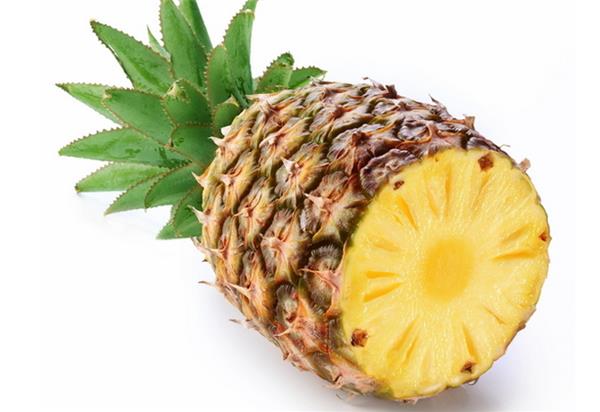
Pineapple contains almost all the vitamins the human body needs, and can effectively help digestion and absorption. The secret of pineapple for weight loss lies in its rich juice, which can effectively break down fat through acid. You can effectively include pineapple in your food every day or drink pineapple juice, but be sure not to consume it in excess or eat unprocessed raw pineapple. First, it easily dulls the sense of taste and irritates the oral mucosa; second, it easily produces bromelain, and people allergic to this protease will experience symptoms such as itchy skin. Appetite-stimulating and digestive effects: pineapple is sweet and neutral in nature, and has functions such as strengthening the stomach and aiding digestion, tonifying the spleen and stopping diarrhea, and clearing the stomach and quenching thirst. Pineapple can make dishes taste refreshing and help mothers solve the problem of their baby's loss of appetite. Eating pineapple one hour after a meal helps digestion. Preventing high blood pressure: the blood circulation-promoting enzyme abundant in pineapple can lower blood pressure and dilute blood lipids; eating pineapple can prevent fat deposition. Relieving cough: fresh pineapple juice can effectively prevent bronchitis, and the bromelain contained in pineapple can ease sore throat and cough symptoms.

The drawbacks of eating pineapple
The benefits of pineapple are obvious to all, but the drawbacks cannot be ignored either. Eating pineapple may cause blood pressure to rise, leading to headaches; eating unprocessed pineapple may cause itching in the mouth; in addition, if you are allergic to bromelain, an allergic reaction may occur, and about 15 to 60 minutes after eating, symptoms such as nausea, abdominal pain, urticaria (commonly known as hives), vomiting, headache, and dizziness may appear. In severe cases, symptoms can include difficulty breathing and even shock.