A Detailed Explanation of the Benefits, Effects and Uses of Figs
When it comes to figs, I think many people are quite familiar with them. So do you know what the benefits and effects of figs are? The flowering period of the fig is very short, so it is very difficult to see a fig in bloom. The fig is a delicious fruit with not only rich edible value but also certain medicinal value. Today let us learn together about the benefits and effects of figs.
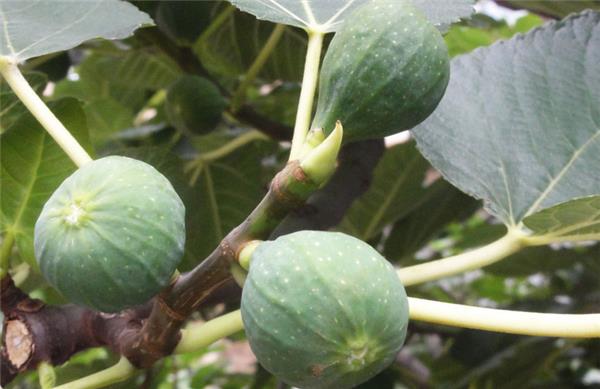
I. Benefits and Effects of Figs
Benefits and Effects of Figs - Strengthening the Spleen and Aiding Digestion, Moistening the Intestines and Relieving Constipation
The citric acid, malic acid, lipase, protease and other substances contained in figs can effectively help the human body digest food and can stimulate appetite. Also, because figs contain a variety of lipids, they have the effect of moistening the intestines and relieving constipation. Therefore, the editor suggests that you can eat figs regularly. This way your digestive capacity can be enhanced.
Benefits and Effects of Figs - Lowering Blood Pressure, Soothing the Throat and Reducing Swelling
The hydrolase, lipase and other substances contained in figs have the effect of lowering blood lipids and breaking down blood lipids, so they can lower blood lipids and reduce fat deposition in blood vessels, thereby lowering blood pressure and helping to prevent coronary heart disease. Figs contain citric acid, succinic acid, fumaric acid, malic acid, oxalic acid, quinic acid and many other substances, and have anti-inflammatory and swelling-reducing effects, and can soothe the throat and reduce swelling. People with sore and swollen throats can eat more figs.
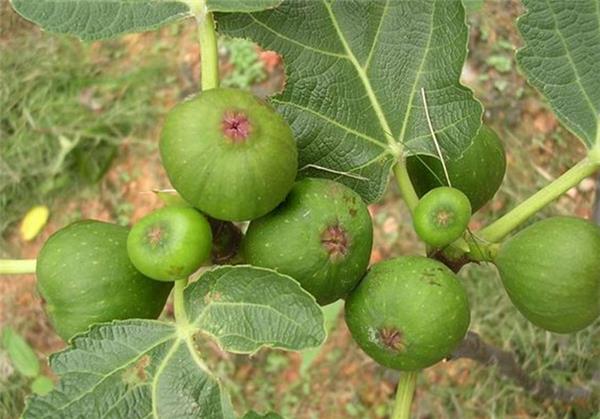
II. Nutritional Value of Figs
Figs are very rich in vitamins. Among them, the content of vitamin C, amino acids and aspartic acid ranks first among all kinds of fruit, and they have long enjoyed the reputation of "Queen of Fruits" and "Fruit of Life." The vitamin C content is 2.3 times that of oranges, 8 times that of peaches, 20 times that of grapes, and 27 times that of pears. They also contain relatively high amounts of niacin, pantothenic acid, pyridoxine, vitamin A and others, as well as a certain amount of vitamin E; in particular, it is worth mentioning that fig fruits and leaves are rich in minerals, from which it can be seen that the fig is a natural health food. In addition, figs also contain more than 30 kinds of lipid substances, most of which are neutral lipids and glycolipids; among the fatty acids contained, 68% are unsaturated fatty acids as well as a small amount of linoleic acid, which is essential to the human body. The fig is also a selenium-rich fruit tree, with a selenium content 100 times that of edible fungi and 400 times that of garlic. Selenium is praised by nutrition experts as the "wonder of life" element, and has the special functions of delaying aging, enhancing the body's immunity, and resisting disease. Selenium is also a protective agent in the human body against toxic substances and can reduce the harm of toxic substances, and has a certain therapeutic effect on conditions caused by selenium deficiency such as AIDS, hepatitis, asthma, coronary heart disease, cerebral hemorrhage, cerebral thrombosis, Keshan disease, Kashin-Beck disease, and cataracts.
III. Eating Figs
The fig is also known as Tianshengzi, Wenxianguo, Miguo, Naijiangguo and so on. Because the leaves of the fig tree are thick, large and deep green, while the flowers it produces are very small and are often hidden by the branches and leaves, they are not easy for people to notice; when the fruit quietly emerges in the leaf axil, the flower has already fallen off, so people think it "bears fruit without flowering," and thus named it "fig." When ripe, figs are soft and mushy, with a sweet taste like persimmon and no pit, and are rich and comprehensive in nutrition. Besides containing a variety of amino acids essential to the human body, quinic acid, lipase, protease and other components, they have very good dietary therapeutic effects.
[Suitable Population] Suitable for ordinary people to eat. Fresh fruit: 1 each time (about 50 grams). Dried fruit: 3 each time (about 30 grams).
[Special Note] Like papaya, figs can not only be eaten fresh as a fruit but can also be used to cook dishes.
[Health Traffic Light] Patients with cerebrovascular accidents, fatty liver, normokalemic periodic paralysis and other conditions should not eat them. People with loose stools should not eat them raw.
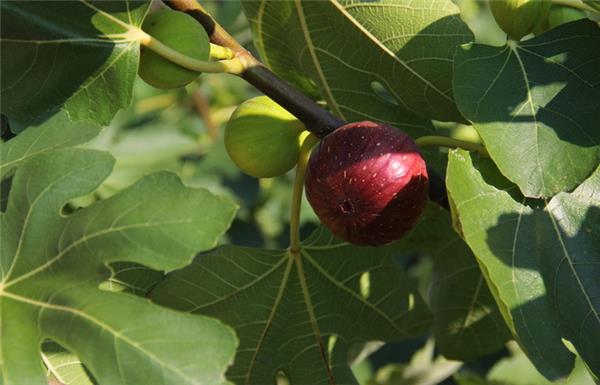
Figs not only have the above effects but can also darken the hair, beautify the appearance, supplement many trace elements that are relatively scarce in many foods, and can generate blood, giving you some crude fiber and dietary fiber.