Can pregnant women eat pineapple? The effects of eating pineapple on pregnant women
Is it good for pregnant women to eat pineapple? We all know that many people pay close attention to the diet of pregnant women. Some say eating pineapple is not good, while others say eating pineapple is quite good, especially for a special group like pregnant women. So, is it actually good for pregnant women to eat pineapple? Let's find out below.
Is it good for pregnant women to eat pineapple?
Pineapple
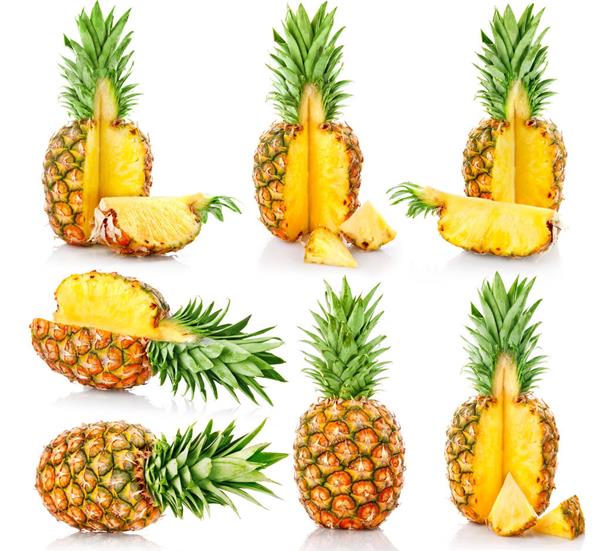
Pineapple, also known as pineapple, is a famous fruit of tropical and subtropical regions. It has an attractive appearance, is juicy and sweet, and has a distinctive fragrance. It contains vitamins B1, B2, B6, A, C, and other vitamins, as well as minerals such as iron, magnesium, potassium, sodium, calcium, and phosphorus. It is a fruit deeply loved by people. If you place one in a room, the whole room will be filled with its fresh fragrance.
Reasons for the controversy
The reason there is controversy over whether it is good for pregnant women to eat pineapple is that many people have experienced allergic reactions after eating pineapple, which is what people often call pineapple disease.
Pineapple contains a substance called protease, which has certain side effects on human skin, blood vessels, and so on. People with an allergic constitution will experience allergies after eating it. About 15 minutes to 1 hour after eating, vomiting, abdominal pain, and diarrhea appear, along with allergic symptoms such as headache, itching all over the body, and numbness in the limbs and mouth and tongue. In severe cases, difficulty breathing and shock may also occur.
In the following situations, pregnant women should not eat pineapple:
1. Pregnant women allergic to pineapple
Pineapple contains a substance called protease, which has certain side effects on human skin, blood vessels, and so on. Some people may have an allergic reaction after eating pineapple. Within 15-60 minutes of eating, abdominal pain, vomiting, diarrhea, dizziness, skin flushing, itching all over the body, and numbness in the limbs and mouth and tongue may appear, and in severe cases, symptoms such as difficulty breathing and even shock may occur. This is called pineapple poisoning, known as "pineapple disease." Therefore, pregnant women with an allergic constitution should best not eat pineapple.
2. Pregnant women with ulcer disease or kidney disease
Pineapple contains a substance called "bromelain," which can break down protein, dissolve fibrin and blood clots blocking tissues, improve local blood circulation, and eliminate inflammation and edema. However, if a pregnant woman has ulcer disease, kidney disease, coagulation disorders, and so on, this substance will have the opposite effect, so it must be avoided.
3. Pregnant women with fever or eczema
Pineapple itself is a warming fruit, so it is best not to eat it when you have a fever. Similarly, because pineapple easily causes allergies, it should also not be eaten with eczema or scabies.
Dietary taboos of pineapple
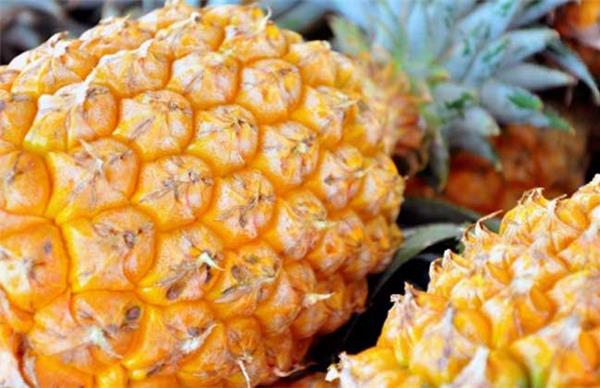
1. Because pineapple contains irritating glycosides and bromelain, it breaks down protein in the body, and it has an irritating effect on the oral mucosa and the delicate skin of the lips. If you do not soak pineapple in salt water before eating it, it will give people a numb, stinging sensation.
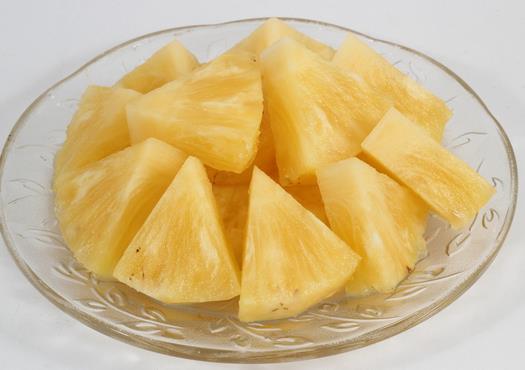
Therefore, the peel and fruit spines should be trimmed clean, the flesh cut into pieces, and soaked in dilute salt water or sugar water to leach out the glycosides before eating. After soaking pineapple in salt water, it can effectively destroy the internal structure of "bromelain" that causes allergies, thereby losing its ability to cause allergies and losing its toxicity to certain constitutions.
2. After eating meat or greasy food, eating some pineapple is very good for the body. "Pineapple sweet and sour pork" and "pineapple beef" are dishes that can be eaten with confidence.
3. Pineapple and eggs cannot be eaten together. The protein in eggs combines with the fruit acid in pineapple, which easily causes the protein to coagulate and affects digestion.
4. Pineapple and honey can be eaten together, and pineapple with honey boiled in water can treat bronchitis. However, people with physical discomfort or diarrhea symptoms are advised not to eat it this way.
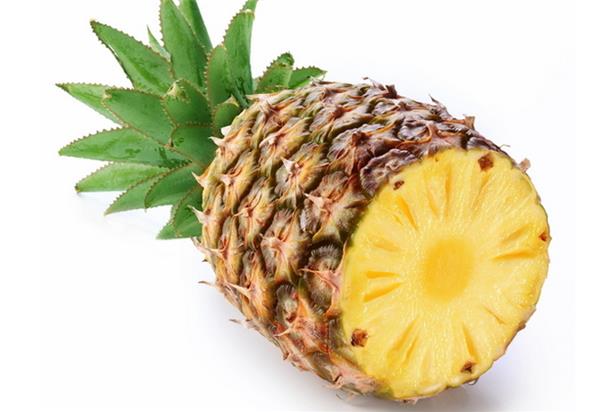
Summary: Eating pineapple causes internal heat, especially in autumn when it is even more likely to cause internal heat, so it is better to eat less at this time. Even if you do eat it, it should be soaked in salt water. Eating pineapple can also cut greasiness, so eating a little pineapple after eating rich meat dishes is very good.