The Yimi flower is a mysterious and beautiful desert fairy
Whether the Yimi really exists or not, no one can yet give a definitive answer, but this does not affect the place this plant holds in people's hearts. Let's get to know it together below.
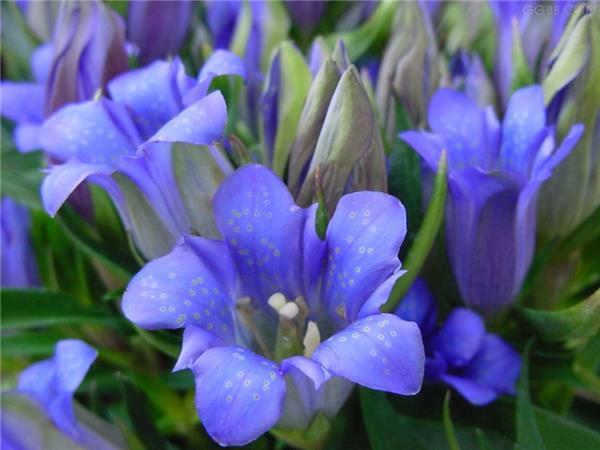
I. Introduction to Yimi
The Yimi flower is a very mysterious flower. It needs five years to complete the work of its roots and stems threading through the soil and accumulating nutrients, and only in the sixth spring does it sprout above ground and bloom into a rare four-colored flower of red, yellow, blue and white. The utterly beautiful Yimi flower has a blooming period of only two days, after which it begins to wither.
The flower language of Yimi: fleeting love, an instant of splendor, miracle
Yimi grows in the desert regions of Africa, unknown and unnoticed, and very few people have ever paid attention to it. Many travelers think it is merely a blade of grass. But it will suddenly burst into beautiful bloom one morning. That is an incomparably gorgeous flower. Its petals are shaped like lotus leaves, competing in beauty with the poisonous sun above the African land. But its blooming period is very short, only 48 hours.
The origin of the name Yimi: in the tribes of the African desert, this little flower is called Yimi, meaning tenacious and sacred. Transliterated, it becomes a lovely name: Yimi.
Place of origin: Egypt
II. Why Yimi blooms at the final moment
According to the explanations of plant experts, we have gradually unraveled this mystery as well. It turns out that the Yimi flower's place of origin is in the desert regions of Africa, where water itself is scarce, and the Yimi flower does not have a massive root system to draw water; it has only a single main root collecting water, so it grows slowly. And by the time it has stored enough water to be able to bloom, roughly 5-7 years will have passed in between, and once it has completed the nutrients it needs, it then blooms, but because the Yimi flower has exhausted all of its own nutrients, it then withers.
III. The cultural background of Yimi
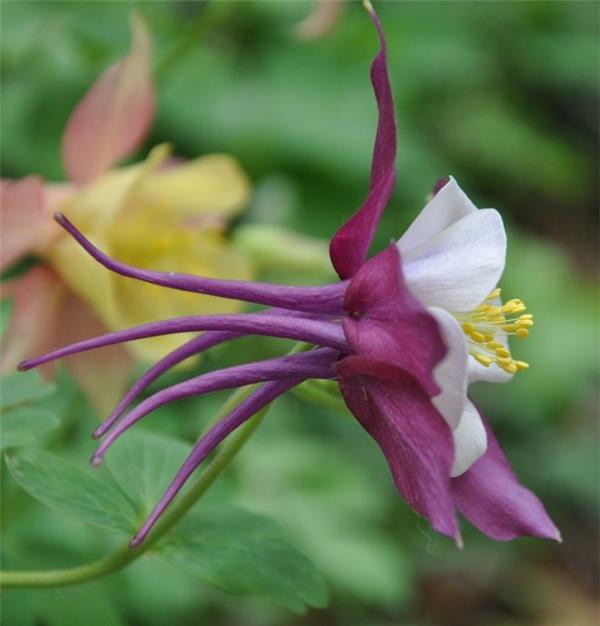
On the vast Gobi Desert of Africa, it needs five years to take root in exchange for blooming in the sixth year. The tiny flower has four petals, each a different color - red, white, yellow and blue, and this little Yimi flower's blooming period is only two days. After two days, both flower and stem wither together, and its fragrance and beauty vanish.
Symbolism: symbolizes peace and holiness
The female flower has a single golden-yellow stamen, and the male flower's stamen is blood-red. It is said that when ancient Egyptians sacrificed to the sun god, the priest had to place the stamens of a male flower and a female flower that took ten years to grow on the sacrificial altar, and strike the pharaoh's scepter three times. The Yimi flower has not yet been confirmed as discovered by archaeologists, yet it is carved on gorgeous headdresses and vessels in many Egyptian tombs. There are ancient records that Anubis once helped a ghost child because the child held a Yimi flower in his hand.
The little Yimi flower has gradually come to be regarded by people as a mysterious and beautiful aspiration, used to entrust one's dreams that feel distant. It is also likened to a manifestation of the gods' grace upon the earth.
The Yimi flower has not yet been recognized by the botanical world. One view is that the Yimi flower is a fabricated product existing only in literary works.
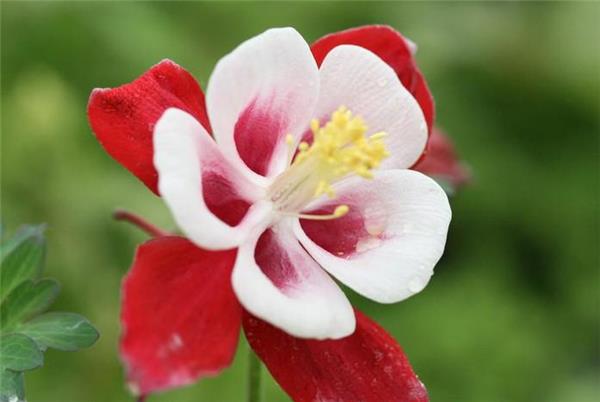
Although the botanical world has not yet recognized its existence, and people hold two completely different attitudes toward whether it exists or not, Yimi has already taken root in people's hearts. Here we also wish everyone the good fortune to witness the moment this magical plant blooms.