What are the benefits, effects and contraindications of aloe vera?
Aloe vera is a plant we are very familiar with. Many people grow it at home. The plant is unique and lovely, with excellent ornamental value, and its air-purifying effect is also very outstanding. Aloe vera also has good beneficial effects in many aspects such as medicinal use. We have previously introduced the cultivation methods of aloe vera, so today we will share with you the benefits and effects of aloe vera:
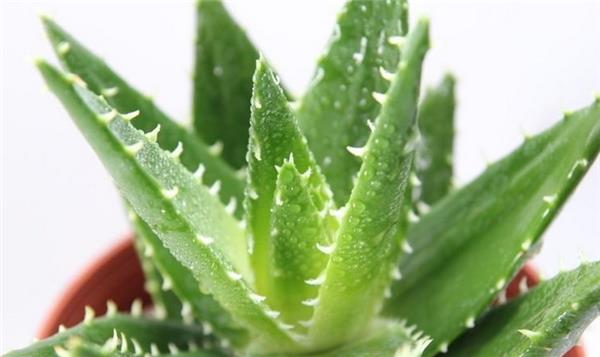
I. Benefits and effects of aloe vera
Sterilization. Aloetin. It is a substance with strong antibacterial properties, capable of killing fungi, mold, bacteria, viruses and other pathogens, and inhibiting and eliminating the development and reproduction of pathogens.
Anti-inflammatory. The bradykininase in aloe vera combined with angiotensin can resist inflammation. In particular, the polysaccharides in aloe vera can enhance the body's resistance to disease.
Beauty care. The polysaccharides and vitamins in aloe vera have good nourishing, moisturizing and whitening effects on human skin. Especially for acne, the biggest worry of young girls, aloe vera has a very good effect on eliminating acne.
Detoxification. Because of its bitter and cold nature in clearing heat, aloe vera has the effect of inhibiting excessive immune reactions and enhancing the phagocytic function of phagocytes, so it can remove metabolic waste from the body.
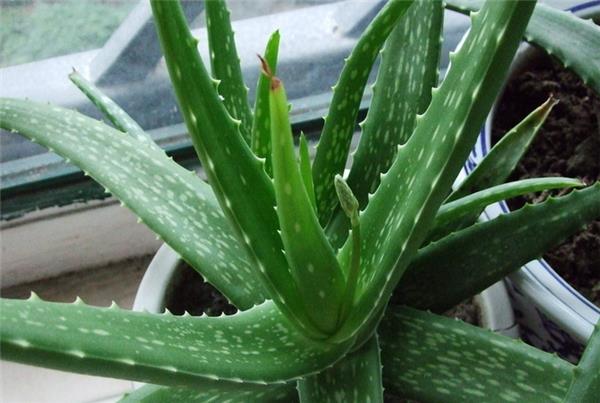
II. Dietary contraindications of aloe vera
Since aloe-emodin produced after aloe vera is broken down in the body has a strong irritating effect on the intestinal mucosa, if too much aloe vera is taken at one time, it may cause adverse digestive tract reactions such as nausea, vomiting, abdominal pain, diarrhea and even bloody stool, and in severe cases may also cause kidney function damage; aloe vera can also cause congestion of the pelvic organs in women, promoting uterine movement. Taking it during pregnancy or menstruation can easily cause abdominal pain, increased bleeding and even miscarriage. In addition, external use of aloe vera may also cause allergic skin reactions, with symptoms such as redness, swelling, itching and pain.
Precautions for using aloe vera
1. For external use, note: if using it for the first time, first try it on a small area of skin, and only use it on a large area after confirming there is no allergic reaction.
2. When taking aloe vera orally, note: aloe vera is bitter and cold, so it is not suitable for people with weak constitutions, children, pregnant women, or women during menstruation.
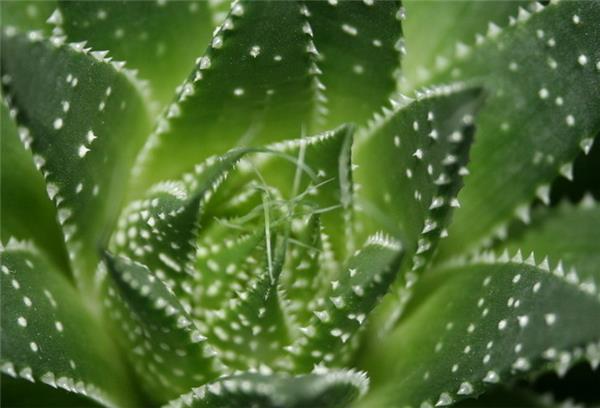
III. Cultivation methods of aloe vera
1. Temperature: Aloe vera is very afraid of cold. It generally stops growing at around 5°C, and will suffer frostbite at 0°C. Therefore, the most suitable temperature for growing aloe vera is 15-35°C. Like other plants, aloe vera needs water, but it is most afraid of waterlogging. A humidity of 45-85% is most suitable for aloe vera.
2. Soil: Aloe vera needs to grow in a place with good drainage, so when planting, some gravel can be mixed into the soil to prevent the soil from becoming compacted, reducing the water soaking and air permeability of the aloe vera roots and causing obstructed root respiration. When planting, try to use fertilizer containing phosphorus, potassium and some trace elements. Organic fertilizer is even more suitable.
3. Light: Like other plants, aloe vera needs sunlight to grow. For newly planted aloe vera, it is best to let it get some sunlight in the morning, and avoid direct sunlight at noon.
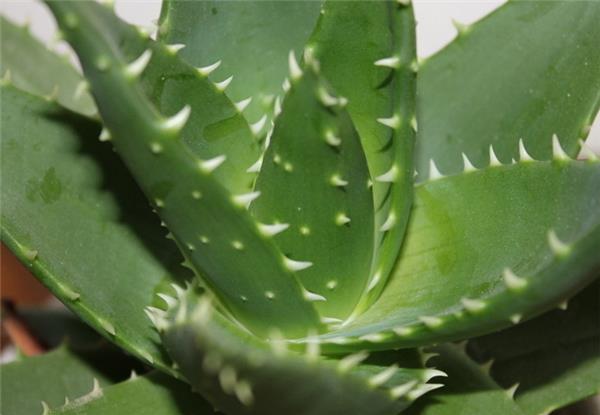
Whether in beauty and skin care, medicinal use, or as food, aloe vera has relatively strong beneficial effects. It is a plant of very high value and can be grown more at home, as it can both beautify the home environment and be useful in many aspects such as beauty and skin care.